
How to Support Local Musicians in Your City
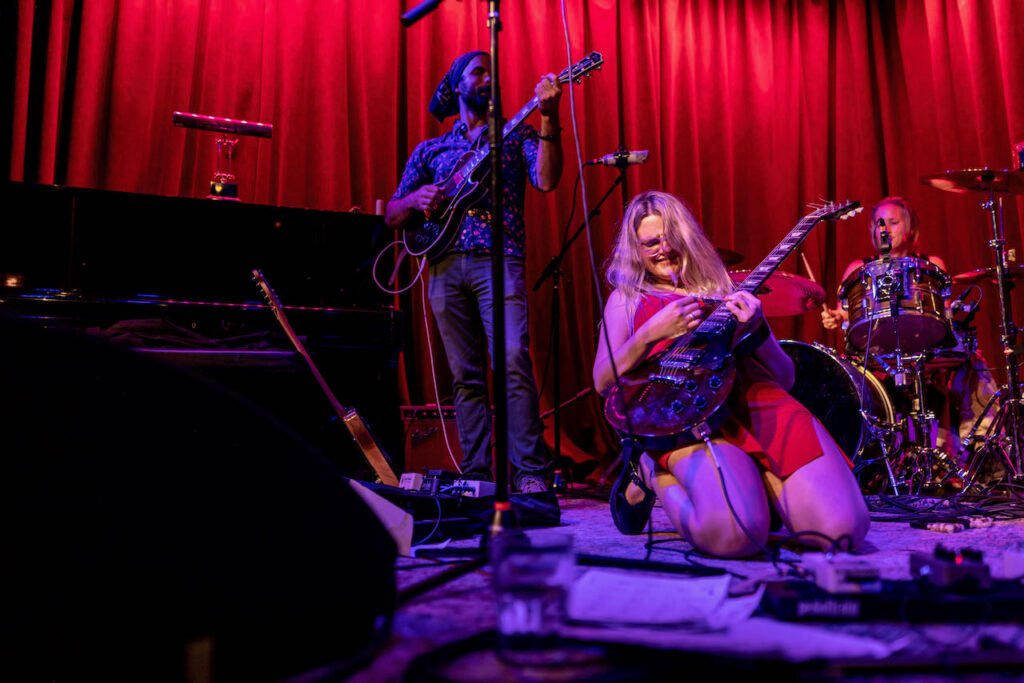
Local musicians are the lifeblood of a city’s culture, and they are also some of the hardest-working, worst-paid artists in the business. Streaming pays fractions of pennies, venues take cuts, and most local artists fund their art with day jobs. Learning how to support local musicians in your city does not require much money, but it makes an outsized difference to the people making the music.
I started paying attention to my local scene a few years ago, and it completely changed my relationship with music. I now have favorite bands I would never have discovered, and I see live music constantly for less than the cost of one arena show.
How Can I Support Local Musicians in My City?
1. Show Up
This is the big one, and it dwarfs everything else. Go to the show. Bring friends. Local artists make most of their money from live performance, and empty rooms are demoralizing in a way that low stream counts are not. A $10 cover with twenty people in the room means more to a local band than ten thousand streams. Check listings, pick something unfamiliar, and go. You can find live music events near you easily with a few dedicated apps.
2. Buy Direct
When you buy merch, vinyl, or CDs at a show or from an artist’s own website, nearly all the money goes to the artist. The same purchase through a major retailer sends them a fraction. Tip jars at shows are not charity; they are wages. If an artist has a tip link, use it. Buying a $25 t-shirt does more for a local musician than a year of streaming their songs.
3. Stream Intentionally
Streaming will not pay anyone’s rent, but it matters for discovery and credibility. Follow local artists on streaming platforms, save their songs to playlists, and share those playlists. Playlist placements and follower counts influence booking agents and festival programmers. If you are looking to expand your taste generally, the guide to finding new music you love applies perfectly to local discovery.
4. Spread the Word
Word of mouth is the most powerful marketing local artists have. Post about shows you attend, share new releases with friends who would like them, and bring new people to the next show. Tag the artists; reposts and engagement genuinely help. If you have any platform at all, a newsletter, a social following, a group chat, use it to amplify local music.
5. Support the Ecosystem
Musicians need venues, and venues need audiences. Patronize the small rooms, bars, and DIY spaces that host local music, even on nights when you do not know the bands. Buy drinks; venues survive on bar sales. Respect noise ordinances and neighbors so venues do not get shut down. Vote for local arts funding when it appears on ballots. The scene is an ecosystem, and every part needs support.
6. Hire Local Musicians
Need music for a wedding, party, or corporate event? Hire local instead of defaulting to a DJ or a playlist. Local jazz trios, string quartets, and bands play private events constantly, and it is some of their best-paying work. A living, breathing performance transforms an event in a way no playlist can.
7. Be a Good Audience Member
This sounds basic, but it matters enormously. Arrive for the openers; they are often local artists playing their hearts out to an empty room. Put your phone away and actually watch. Applaud generously. Talk to the artists after the set and buy something. Musicians remember the rooms that were kind, and they come back to them.
Finding Your Scene
Every city has a scene; you just have to look. College radio stations are curated by passionate locals and announce shows constantly. Record stores have flyers and knowledgeable staff. Neighborhood bars with live music are the grassroots venues that matter most. And if you play yourself, even as a beginner working through learning guitar, open mics are the on-ramp to the whole community.
For music industry news and new artist coverage, Billboard tracks breaking artists, and Variety covers the business side.
Building a Local Music Habit
One-off shows are nice; a habit is transformative. Commit to one local show a month and watch what happens. You will develop favorite venues, recognize regulars, and start getting recommendations from bartenders and fellow attendees. Keep a simple log of shows you attend; looking back over a year of live music is remarkably satisfying. Bring a different friend each time and you become the person who introduces people to the scene, which deepens everyone’s enjoyment. Budget it like any entertainment expense; $20 to $40 a month for covers buys more live music than most people see in a year.
If You Are a Musician Yourself
The advice flips: now you need the audience. Play the open mics, which are the scene’s farm system. Be kind to sound engineers and venue staff; they remember. Promote your own shows relentlessly but personally; a direct invitation beats a mass post. Collaborate with other local artists; shared bills double both audiences. Record decent demos; you do not need a studio, just clear audio that represents you honestly. And support other musicians’ shows when you are not playing; scenes are reciprocal, and the artists who show up for others get shown up for. The community you build is the career you build.
Local Music FAQs
What is the single most helpful thing? Show up. A $10 cover in a room with twenty people means more than ten thousand streams.
How do I find local shows? Follow venues and promoters on social media, check college radio listings, and look at the flyer wall in record stores.
Is streaming useless for local artists? Not useless, just insufficient. Streams pay fractions of pennies, but follows and playlist adds help with bookings and discovery.
Should I buy merch at shows? Yes. Buying direct means nearly all the money reaches the artist. A $25 shirt beats a year of streaming.
What if I do not like the music? Go anyway sometimes. Discovery requires risk, and the openers you catch by accident become favorites.
The takeaway: go to shows, buy direct, arrive for the openers, and tell your friends. Local music scenes run on the simplest fuel there is: people in rooms, listening.




2 thoughts on “How to Support Local Musicians in Your City”