
How to Make a Short Film With Just Your Phone
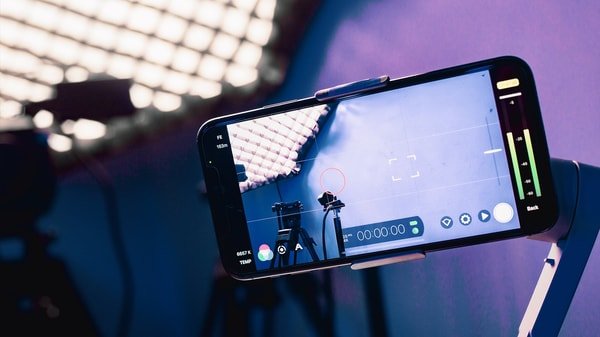
The phone in your pocket shoots better video than the professional cameras of twenty years ago. Festival-winning short films have been shot on phones. The barrier to filmmaking is no longer equipment; it is knowing what to do with the camera you already own. Making your own short film with a phone is one of the most accessible creative projects there is.
I shot my first short on a phone in a weekend with two friends and no budget. It was rough, and I learned more in those two days than in months of reading about filmmaking.
How Can I Make My Own Short Film With a Phone?
1. Start With a Story That Fits the Format
Short films thrive on simplicity: one idea, a few characters, a single location, a clear beginning-middle-end. Five minutes is the sweet spot for a first film; it is long enough to tell a story and short enough to actually finish. Write a one-page script or even a detailed outline. The biggest beginner mistake is “we will figure it out while shooting,” which produces unusable footage and frustrated friends. Know your shots before you shoot them.
2. Master the Phone Camera Basics
Lock your exposure and focus. Tap and hold on your subject to lock both, so the phone does not hunt and pulse during the shot. Shoot in the highest resolution available, and clean the lens; a smudged lens is the number one cause of disappointing phone footage. Use the rear camera, which is better than the front in every phone. Shoot horizontally unless you are making something specifically for vertical platforms. Turn on grid lines to help with composition and keep horizons level.
3. Sound Matters More Than Image
Audiences forgive shaky video; they do not forgive bad audio. The phone’s built-in microphone picks up wind, handling noise, and room echo. Get the phone close to whoever is speaking, shoot in quiet locations, and consider a cheap lavalier microphone that plugs into the phone; a $20 mic transforms your audio completely. Record thirty seconds of room tone, just the ambient sound of each location, for smoothing edits later.
4. Stabilize Everything
Shaky footage screams amateur. A basic phone tripod costs little and is the single best investment for phone filmmaking. For moving shots, walk heel-to-toe slowly, hold the phone with both hands tucked against your body, or use a cheap gimbal if you want genuinely smooth motion. Deliberate, slow camera moves look professional; fast, jerky ones look accidental.
5. Light Like You Mean It
Phones have small sensors that struggle in low light, so light is everything. Shoot during golden hour, the hour after sunrise or before sunset, for gorgeous free lighting. Indoors, face your subject toward the largest window; window light is the most flattering light available. Avoid overhead lighting, which creates harsh shadows. A $15 LED panel fills in shadows when you need it. Never shoot with a bright window behind your subject unless you want a silhouette.
6. Edit Ruthlessly
Free editing apps are remarkably capable now. Cut anything that does not serve the story; your first cut is always too long. Cut on action, keep the pace moving, and do not be afraid to lose a shot you love if the film is better without it. Add music from royalty-free libraries; the right track does half the emotional work. Color correction, even just basic adjustments, unifies footage shot at different times.
Common First-Film Mistakes
- No script. Improvisation works for experienced crews, not first-timers.
- Too many locations. Every location change costs hours. One or two locations max.
- Ignoring audio. Plan your sound as carefully as your shots.
- Shooting everything wide. Close-ups carry emotion; vary your shot sizes.
- Perfectionism. Finish the film. A finished imperfect film teaches more than an abandoned perfect one.
What Comes Next
Share it. Film festivals have phone-shot categories, and online platforms are full of audiences for short work. The skills transfer everywhere: learning photography as a hobby deepens your visual eye, and studying the best documentaries teaches storytelling structure. And when you finish, screen it properly with an outdoor movie night; your film deserves a premiere.
For phone filmmaking gear reviews, WIRED covers mobile video tech, and CNET reviews phones for camera quality.
Directing Non-Actors
Your cast will be friends, not actors, so direct accordingly. Give them actions, not emotions: “pick up the cup slowly while you talk” works better than “act nervous.” Keep takes short; non-actors exhaust quickly. Shoot the wide shots first while energy is high, then move to close-ups. Never show frustration; it kills volunteer morale instantly. Cast people close to their roles; the friend who is naturally funny should play the funny part. And feed everyone well; a fed crew is a happy crew, even when the crew is three people. The best performances in amateur films come from comfort, not direction.
Festivals, Sharing, and What’s Next
Finish the film, then share it widely. Local film festivals often have amateur and phone-shot categories with genuinely welcoming audiences. Online platforms give you instant global distribution; a good title, thumbnail, and description matter enormously for discovery. Submit to a few festivals and post online simultaneously; there is no rule against both. Collect feedback graciously and note what to improve. Then make another one immediately; the second film is where the real learning happens, because you are applying lessons instead of discovering them. Filmmakers are made by making films, and your phone means you can make one every month if you want.
Phone Filmmaking FAQs
Do I need a new phone? No. Any phone from the last few years shoots excellent video. Technique matters far more than the sensor.
What is the most important upgrade? Audio. A $20 lavalier microphone transforms your film more than any camera upgrade.
How long should my first film be? Under five minutes. Short enough to actually finish, long enough to tell a story.
What editing app should I use? Start with whatever is free on your phone; they are remarkably capable. Upgrade only when you hit real limitations.
Where can I share it? Online platforms for instant audiences, local festivals for the premiere experience. Do both.
The takeaway: script it simple, lock exposure, prioritize audio, stabilize, chase good light, edit ruthlessly. Your phone is a film studio. Use it.



