
How to Start a Podcast With Zero Experience
Everyone seems to have a podcast, which makes starting one feel both obvious and intimidating. The good news is that the barrier to entry has never been lower. You can launch a perfectly respectable podcast with a hundred dollars of equipment, free software, and no experience. The bad news is that most podcasts fail because the hosts skipped the thinking and went straight to the buying. Here is how to start a podcast with no experience the right way: concept first, gear second.
I have helped several friends launch shows, and the ones that survived all did the unglamorous planning work upfront.
How Can I Start a Podcast With No Experience?
1. Define Your Show in One Sentence
Before buying anything, answer these questions. What is the show about, specifically? Who is it for? Why should anyone listen to you instead of the thousand shows on the topic? What is the format: solo, co-hosted, interview, narrative? How long are episodes, and how often will they release? “Two friends talk about movies” is not a concept; “two friends watch every Oscar winner in order and argue about whether it deserved it” is. Specificity is what makes shows discoverable and listenable.
2. Get the Minimum Viable Gear
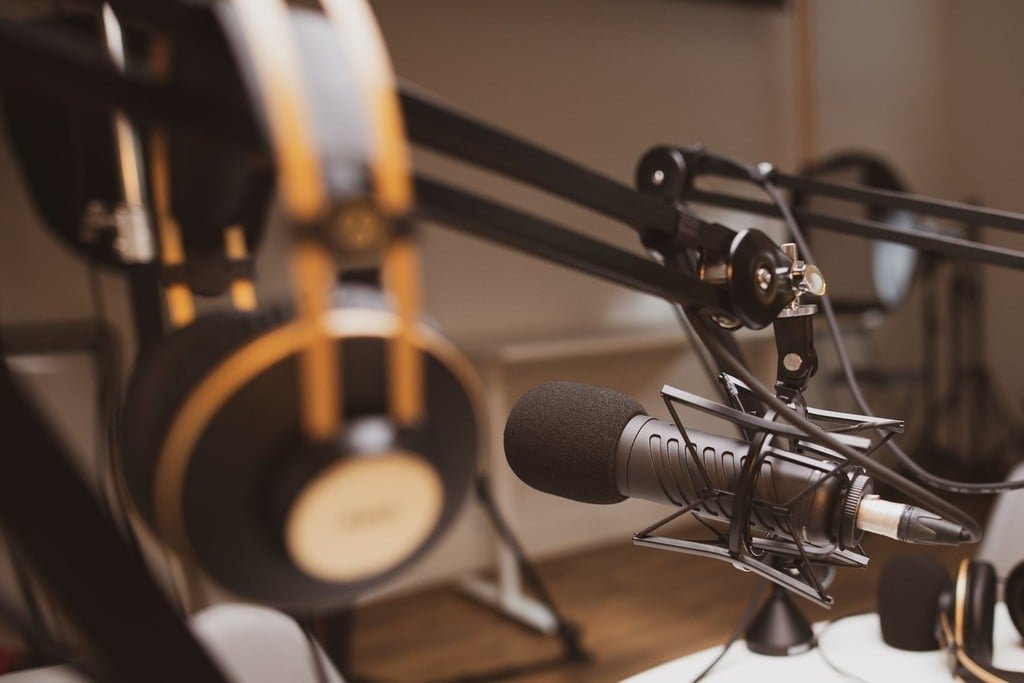
Audio quality matters enormously; listeners forgive boring content slower than they forgive bad audio is wrong, actually. Listeners forgive imperfect content but abandon bad audio immediately. You need: a decent USB microphone ($70 to $150 gets you genuinely good quality), closed-back headphones to monitor yourself, and a quiet room. That is it to start. Record in a small room with soft furnishings; closets full of clothes are famously great recording spaces. A $20 mic arm and a pop filter are worthwhile early upgrades. Do not buy a mixer, multiple mics, or acoustic panels until you know you will stick with it.
3. Learn Basic Recording and Editing
Free software like Audacity or GarageBand handles everything a beginner needs: recording, cutting mistakes, adjusting levels, and exporting. Learn five skills: how to set input levels (peaks around -6dB), how to cut and delete, how to use fade in and out, how to normalize loudness, and how to export as MP3. That covers 95 percent of podcast editing. Record a test episode and listen to it on earbuds, car speakers, and a phone; problems hide on good headphones and reveal themselves everywhere else.
4. Plan Your First Five Episodes
Do not launch with one episode. Record three to five before publishing anything; this gives you a buffer, lets you improve rapidly, and means new listeners who like episode one can binge. Outline every episode, even conversational ones. An outline is not a script; it is a list of topics and transitions that keeps the episode from wandering. Aim for consistency over length: a tight 30 minutes beats a rambling 90.
5. Publish and Distribute
You need a podcast hosting service, which generates your RSS feed and distributes to Apple Podcasts, Spotify, and everywhere else. Several have free tiers sufficient for starting. Write a clear show description with keywords listeners would search. Design simple cover art; it needs to be readable at thumbnail size, so big text and bold contrast. Submit to the directories, which takes a few days for approval, then launch with your banked episodes.
6. Grow Slowly and Sustainably
Tell everyone you know, then tell them again. Appear as a guest on similar small shows; cross-promotion is the most effective growth tactic for new podcasts. Engage with listeners who contact you; early fans become evangelists. Release consistently, because the number one predictor of podcast survival is simply not quitting. Most shows die before episode ten. Publish episode eleven and you are ahead of the pack.
Formats That Work for Beginners
- Co-hosted conversation: easiest to sustain; chemistry carries weaker episodes.
- Solo commentary: hardest to sustain but simplest logistically.
- Interview: guests provide content, but booking and scheduling are real work.
- Narrative: the most labor-intensive; do not start here unless you love editing.
Learning From the Best
Study shows you admire, especially in your niche. If true crime interests you, the best true crime podcasts demonstrate every format from investigative to conversational. The storytelling skills overlap with making short films, and the technical audio skills transfer to photography not at all, but the creative discipline does.
For podcasting gear reviews and industry news, WIRED covers audio tech, and Variety tracks the podcast business.
The Monetization Reality Check
Let us be honest about money. The vast majority of podcasts earn nothing, and that is fine if your goals are creative or community-driven. Realistic revenue paths: sponsorships (which require thousands of downloads per episode), listener support through membership platforms, live shows once you have an audience, and using the podcast as marketing for a business or personal brand. Unrealistic expectations: quitting your job at episode twenty, viral growth without promotion, sponsors chasing you. The podcasts that eventually earn money share one trait: they published consistently for a year or more first. Make the show because you want it to exist; treat revenue as a possible bonus, not the plan.
Interview Skills That Matter
If your format involves guests, interviewing is the skill to develop. Research thoroughly but hold it lightly; the best moments come from follow-ups, not prepared questions. Listen actively; the next question should come from the last answer, not your list. Embrace silence; guests fill pauses with their most interesting thoughts. Prepare fewer questions than you think you need; ten good questions beat thirty shallow ones. Edit for the listener, cutting tangents and tightening pauses. Great interviewers make it look effortless because the effort is invisible; the preparation, the listening, the restraint. Study the interviewers you admire and steal their techniques shamelessly.
Podcasting FAQs
How much does it cost to start? Around $100: a decent USB mic, headphones you own, free software, and a free-tier hosting service. Do not buy more until you know you will continue.
How long should episodes be? As long as they need to be, but tight beats long. Thirty focused minutes outperforms ninety rambling ones.
How often should I release? Whatever you can sustain indefinitely. Consistency matters more than frequency; weekly is the common sweet spot.
When will I get listeners? Slowly. Tell everyone, guest on similar shows, and publish past episode ten; most podcasts die before then.
Can I make money? Eventually, maybe. Sponsorships need real download numbers. Make the show because you want it to exist; treat revenue as a bonus.
The takeaway: concept first, minimum gear, learn five editing skills, bank five episodes, publish consistently. The microphone is the easy part. The show is the hard part, and it is also the fun part.



