
How to Organize a Neighborhood Block Party
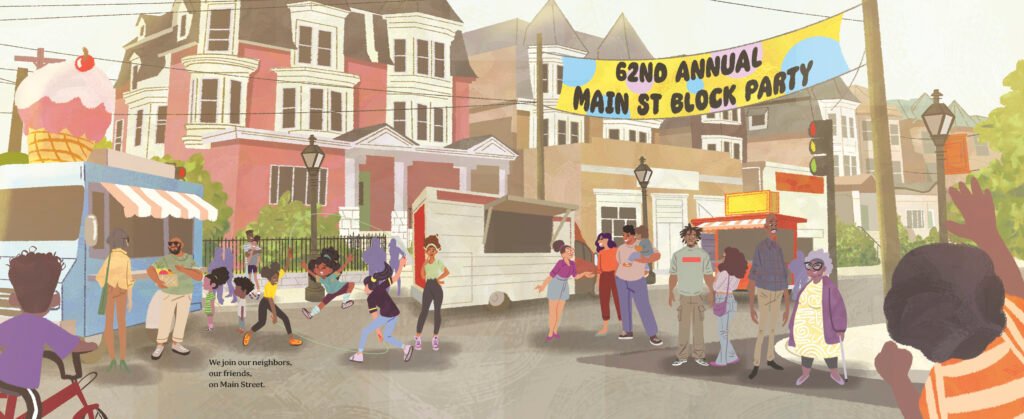
A neighborhood block party is the fastest way to turn “people who live near me” into an actual community. You learn names, kids make friends, and the street feels safer and friendlier afterward. It sounds like a huge undertaking, but organizing a neighborhood block party is very doable with a small team and a simple plan. Most of the work is logistics, not creativity.
I have helped organize three block parties on my street, and each one was easier than the last because we built a playbook. Here it is.
How Do I Organize a Neighborhood Block Party?
1. Build a Small Planning Team
Do not do this alone. Find three to five neighbors who are enthusiastic and reliable, and divide responsibilities: permits and logistics, food, activities, communications, setup and cleanup. A group chat keeps everyone coordinated. The team does not need to be best friends; it needs to be dependable. One meeting to divide tasks, then mostly async coordination, is enough.
2. Handle Permits and Logistics Early
Many cities require a permit to close a street, and applications often need to be submitted weeks or months in advance. Check your city’s website or call the transportation department; the process is usually straightforward but slow. You will need: a street closure permit, possibly a noise permit for amplified music, and sometimes insurance or a refundable deposit. Some cities provide barricades; others require you to rent them. Start this process first, because everything else depends on the date being official.
3. Pick the Right Date and Time
Saturday afternoons are the sweet spot: 2 p.m. to 7 p.m. gives families, workers, and night owls all a window. Avoid holiday weekends when people travel, and check for conflicts with major local events. Give at least six weeks’ notice so people can plan. A rain date or rain plan, moving to driveways and garages, prevents weather from canceling months of work.
4. Spread the Word Effectively
Flyers in mailboxes and on doors reach everyone, including the neighbors who are not online. A simple flyer with the date, time, location, and “bring a dish to share” works. Supplement with a neighborhood group chat, social media group, or Nextdoor post for updates and RSVPs. Go door to door for the houses nearest the closure; personal invitations dramatically increase turnout and goodwill.
5. Plan Food Simply
Potluck is the way. Assign categories by street number or last name to avoid thirty pasta salads: even numbers bring sides, odd numbers bring desserts, the planning team handles mains. A couple of grills with burgers and hot dogs, funded by small contributions or a sponsor, anchor the meal. Label dishes with ingredients for allergy awareness. Keep drinks simple: coolers with water, soda, and ice, plus a BYOB policy for adults.
6. Organize Activities for All Ages
Activities make a block party; without them it is just people standing around. Classics that work: a bounce house or water slide for kids, face painting, a three-legged race and tug-of-war, a pie-baking contest with neighbor judges, live music from a neighbor’s band, and an outdoor movie night as the evening finale. A talent show, even an ironic one, is always a hit. Keep it simple; two or three good activities beat ten chaotic ones.
7. Plan Setup and Cleanup
Setup starts two hours before: barricades, tables, grills, sound system, decorations. Assign setup crews in advance so it is not just the organizers doing everything. Cleanup is where goodwill is won or lost; have trash and recycling stations throughout, assign a cleanup crew, and leave the street cleaner than you found it. Neighbors who did not attend will judge the event entirely by how the street looks Sunday morning.
Funding It
Block parties need not be expensive. Small per-household contributions, five to ten dollars, cover permits, barricades, and main dishes. Local businesses often sponsor in exchange for a banner; pizza shops, hardware stores, and realtors are usual suspects. Keep a simple budget and share it transparently; trust matters in community projects.
After the Party
Share photos in the neighborhood group. Thank the team publicly. Note what worked and what did not while it is fresh; future organizers will thank you. And consider making it annual; the second year is dramatically easier, and traditions are how neighborhoods become communities. The connections built here make everything else easier, from finding free weekend activities together to simply knowing who to call in an emergency.
For permit guidance, check your city’s official website; for event supplies and inspiration, Eventbrite has community event resources.
Keeping Community Alive Year-Round
A block party is a spark; community needs tending. Seasonal touchpoints: a holiday lights contest in December, a spring cleanup day, a summer movie night; three events a year maintain momentum. The communication channel: keep the group chat or social group active with useful posts: recommendations, lost pets, safety alerts. Quality over quantity; nobody wants daily noise. Small acts: welcome new neighbors personally, check on elderly residents, share garden surplus. The next generation: recruit younger neighbors into planning so the tradition outlasts its founders. Communities, like gardens, die from neglect faster than from disaster; modest, consistent attention is everything.
Block Party Games Compendium
Good games make the party; here are the proven winners. For kids: water balloon toss, sack races, face painting, bubble station, scavenger hunt with a simple map. For all ages: tug-of-war (street vs. street), three-legged race, pie-eating contest, hula hoop contest, cornhole tournament with a small prize. For adults: trivia with neighborhood history questions, chili cook-off with blind judging, talent show with deliberately unserious judging. The classics: egg-and-spoon race, wheelbarrow race, limbo. Keep equipment simple and rules loose; the goal is laughter, not the Olympics. Assign one volunteer per game to run it, and schedule games across the afternoon so there is always something happening.
The takeaway: small team, permits first, potluck food, a few good activities, and leave the street spotless. A block party is logistics, not magic, and the community it builds is worth every minute.



