
How to Style a Blazer for Everyday Wear
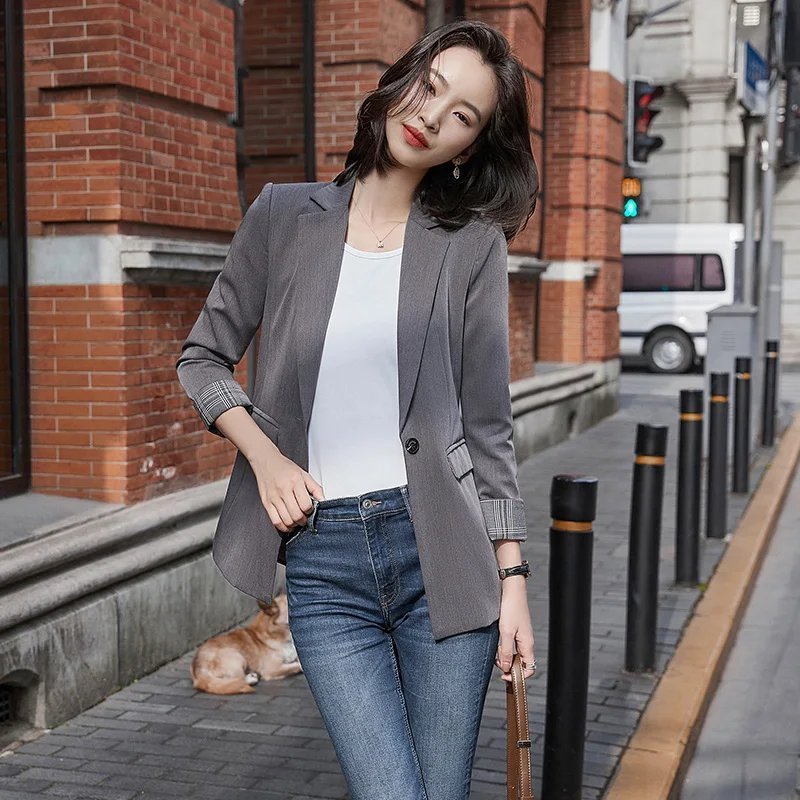
The blazer is the hardest-working item in your closet and probably the most underused. Most people reserve it for interviews and Important Meetings, which is like owning a sports car and only driving it to church. A blazer upgrades literally everything it touches — jeans, dresses, T-shirts, even athleisure — and the difference between “stuffy” and “effortless” is entirely in the styling. If you’re asking how can I style a blazer for everyday wear, here are ten ways to make it your daily superpower instead of your occasional armor.
How to Style a Blazer for Everyday Wear
The mindset shift: stop thinking of the blazer as formal wear and start thinking of it as a structured layer — a more polished alternative to a cardigan or denim jacket. The key is choosing the right blazer: for everyday wear, unstructured or lightly structured styles in cotton, linen, or knit fabrics feel natural; stiff, padded-shoulder suit blazers feel like you’re heading to a deposition. One well-fitting blazer in black or navy covers 90% of situations.
Ten everyday formulas:
- Blazer + white tee + jeans + sneakers. The classic. The blazer says intentional; everything else says relaxed. Works with clean white sneakers for maximum freshness.
- Blazer + turtleneck + trousers. Polished minimalism — the art-gallery uniform.
- Oversized blazer + bike shorts or leggings + chunky sneakers. The model-off-duty look. The blazer’s structure balances the casual base.
- Blazer + slip dress + mules. Instant evening polish over something simple.
- Blazer + striped Breton top + straight jeans. French-girl energy with zero effort.
- Blazer as a top (buttoned) + high-waisted trousers. Bold, modern, surprisingly wearable for dinner out.
- Linen blazer + tank + linen pants. Summer’s answer — breathable polish.
- Blazer + hoodie + jeans. High-low dressing: the hoodie keeps it real, the blazer keeps it sharp.
- Blazer + midi skirt + boots. Fall perfection — textures and proportions doing the work.
- Blazer over everything for travel. It dresses up the long-flight outfit and works on arrival.
The Fit Rules (Non-Negotiable)
An ill-fitting blazer ruins every formula above. The checkpoints: shoulders should end at your natural shoulder (no divots, no overhang); you should be able to button it without pulling (if it strains, size up and tailor the waist); sleeves should hit at the wrist bone — tailor this, it’s cheap; length should cover your seat for classic styles (cropped styles are the exception, worn intentionally). An unstructured blazer forgives more than a structured one, which is another reason it’s the better everyday choice. The right blazer is a wardrobe basic precisely because it passes these checks.
Details That Make It Modern
Push the sleeves up to the forearm — instantly relaxed, shows a bracelet or watch, and fixes slightly-long sleeves without tailoring. Leave it unbuttoned most of the time; buttoned reads formal, open reads effortless. Roll with the wrinkles in linen and cotton blazers — they’re supposed to look lived-in. Mix the formality deliberately: a sharp blazer over casual pieces is the whole trick, so don’t “match” the formality level. And keep one in your office or car — the emergency polish layer for surprise video calls and after-work plans. This versatility is also why the blazer anchors business casual wardrobes so effectively.
Care and Investment
Blazers last years with basic care: brush off dust and pet hair, air between wears rather than dry-cleaning constantly (over-cleaning wears them out), address stains immediately, and store on proper wide hangers that support the shoulders — never wire hangers. When buying, the cost-per-wear math is unbeatable: a $100 blazer worn twice a week for three years costs about 30 cents per wear. That’s the cheapest “expensive look” in fashion, and the core logic of making affordable clothes look expensive. Who What Wear’s blazer styling guide and InStyle’s blazer outfit ideas offer endless visual inspiration.
Blazer Fabrics for Every Season
One blazer can’t do everything — but two or three can. Fall/winter: wool or wool-blend — warm, structured, professional. Flannel and tweed add texture and visual interest. Spring/summer: linen or cotton-linen blends — breathable, relaxed, perfect with the sleeves pushed up. Unstructured cotton is the year-round workhorse. The color question: start with navy (more versatile than black for daytime — pairs with everything, less severe), add black second (evening, formal), then have fun — olive, camel, plaid, white for summer. Care by fabric: wool needs brushing and occasional dry cleaning; linen embraces wrinkles (don’t fight them); cotton is the easiest care of all. Match the fabric to the season and the blazer always looks intentional.
The Blazer Collection: Build Over Time
One blazer starts the habit; a small collection covers everything. Blazer one: navy, unstructured, wool or cotton — the everyday workhorse. Blazer two: black, slightly more structured — evening, formal, funerals. Blazer three: the personality piece — plaid, camel, olive, or white for summer. Blazer four (optional): the statement — velvet for holidays, linen for high summer, something bold for the days you want it. Where to find them: thrift stores are blazer goldmines — quality wool blazers for $15–25, tailored for another $20, outperforming $200 new ones. The rule: each blazer should fill a gap (different color, fabric, or formality), not duplicate. Four blazers, endless outfits — the cost-per-wear on a blazer collection is the best in your closet.
Blazer Alternatives (Same Energy, Different Vibe)
Love the polish but want variety? The knit blazer: all the structure, none of the stiffness — the comfort-first option. The long cardigan: softer, cozier, still intentional — best for creative and casual settings. The leather jacket: edge instead of polish — the same “third piece” function with attitude. The utility jacket: casual structure — weekend polish without formality. The wrap coat: winter’s answer — warmth with the blazer’s put-together effect. The principle: every outfit benefits from a “third piece” — the layer that makes two pieces look like an outfit. The blazer is the classic third piece, but the concept is what matters. Master the third piece and every outfit gets easier — blazer or otherwise.
The Practical Takeaway
Get one unstructured blazer in black or navy that fits your shoulders, and start wearing it like a cardigan — over tees, dresses, hoodies, everything. Push the sleeves, leave it open, and watch ordinary outfits become intentional ones. The blazer isn’t formal wear you’re borrowing for special occasions; it’s everyday armor that happens to look fantastic. Wear it like you mean it.






