
What to Wear on a First Date: Outfit Ideas That Work
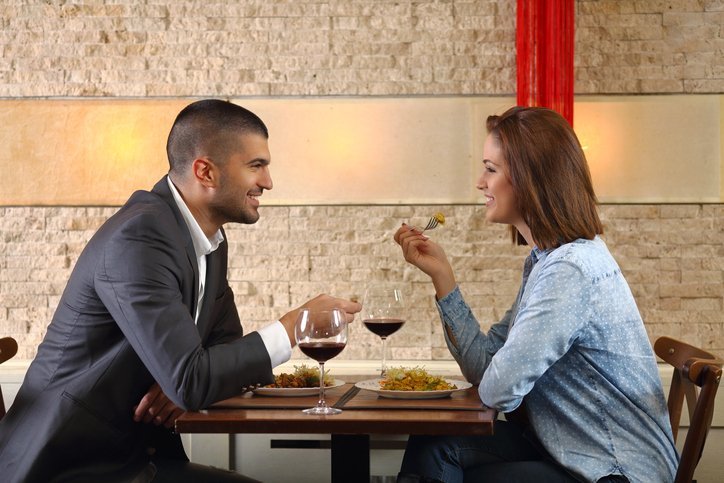
First date dressing is its own special anxiety. Too dressed up and you look like you’re trying too hard; too casual and you look like you don’t care. Too trendy and you’re not yourself; too safe and you’re forgettable. And underneath it all, the real question: what version of me do I want to present? If you’re asking how can I dress appropriately for a first date, here’s the honest framework — it’s less about specific clothes and more about hitting the right notes: polished, comfortable, authentic, and appropriate for the plan.
The First Date Formula
Every successful first-date outfit balances four things:
- Polished, not formal. You want “I made an effort” without “I interviewed for this.” Clean, fitted, intentional — one notch above your everyday.
- Comfortable enough to forget. If you’re tugging, adjusting, or thinking about your clothes, you’re not present. Wear things you’ve worn before — a first date is no time to debut untested shoes or a new silhouette.
- Authentic to you. Dress like yourself on your best day, not like a different person. If they like you, they’ll be seeing the real wardrobe eventually — start honest.
- Matched to the venue. The outfit for a nice restaurant differs from mini-golf, a hike, or a dive bar. When they suggest the plan, dress for that plan — and if you’re unsure, ask. “What’s the vibe?” is a perfectly good question.
Outfit Ideas by Date Type
- Nice restaurant: the sweet spot most people picture. Women: a little black dress or polished separates (silk top + trousers), heels or dressy flats, one nice accessory. Men: dark jeans or chinos, button-down or quality knit, blazer optional, clean shoes. This is the classic for a reason.
- Casual drinks / bar: smart casual — dark jeans, a great top, ankle boots or clean sneakers, interesting but not loud accessories. Relaxed with clear effort.
- Coffee / daytime: smart casual — the best version of your everyday. Well-fitting jeans, a nice top, clean shoes. Daylight is unforgiving, so grooming matters more here.
- Activity date (bowling, mini-golf, museum): dress for movement — comfortable shoes you can walk in, layers for temperature changes, nothing you’d cry over if it got a scuff. Looking good while actually able to participate beats looking perfect and sitting out.
- Outdoor / hiking: athletic-casual done well — quality leggings or joggers, a fitted top, clean sneakers. “I tried” is visible even in sportswear.
The Details That Actually Register
Here’s what people actually notice: grooming (clean hair, neat nails, fresh breath — the unglamorous fundamentals outweigh any outfit choice), fit (clothes that fit properly signal self-respect), shoes (clean and appropriate — scuffed shoes undermine everything), fragrance (subtle or none — overpowering cologne/perfume is a top complaint), and one interesting detail (a great watch, unique earrings, an interesting texture — something that invites a compliment and starts conversation). What they don’t notice: the brand, the price, or whether it’s this season. Dress for the person across the table, not for an audience.
The Confidence Play
Wear the thing that makes you feel good — you know the one. The outfit you’ve gotten compliments in, the color that makes your eyes pop, the shoes you can actually walk in. Confidence is the most attractive thing you can wear, and it comes from comfort in your own presentation. Do a full mirror check (front, back, sitting down), lay out the outfit the night before to avoid day-of panic, and bring a layer — restaurants are always freezing, and being comfortable beats shivering elegantly. Wearing your best colors is a quiet confidence boost that photographs well too.
First Date Don’ts (the Real List)
Beyond the obvious, the mistakes people actually make: wearing something untested — the shoes that seemed fine in the store but murder by hour two, the top that needs constant adjusting. Dressing for the person you wish you were instead of who you are — inauthenticity is detectable and exhausting to maintain. Overdressing for the venue — a cocktail dress at a taco truck creates awkwardness, not admiration. Underdressing — gym clothes signal the date wasn’t worth effort. Strong fragrance — the most common sensory complaint; when in doubt, skip it. Flashing labels — luxury logos impress no one worth impressing and alienate everyone else. Ignoring the weather — shivering or sweating through the date because you dressed for the photo, not the conditions. The through-line: dress with consideration — for the venue, the weather, the activity, and the human across from you. Consideration is attractive.
Second Date and Beyond: Evolving the Look
If the first date goes well, the dressing continues — with a shift. Date two: slightly more relaxed (you’ve established the baseline), but keep the polish — the effort shouldn’t visibly drop. Introduce your real style: the pieces that are more you — the vintage jacket, the bold color, the quirky accessory. Authenticity deepens as comfort grows. The grooming standard stays: this isn’t the time to get lazy — consistent effort signals consistent interest. Watch for their cues: if they dress up, match the energy; the goal is harmony, not competition. The long game: eventually they’ll see the sweatpants — and that’s fine. The early dates establish that you can polish up; the later ones establish who you actually are. Both matter. Dress for the date you’re on, be yourself throughout, and let the wardrobe evolve with the relationship.
Reading the Date’s Signals (the Subtle Art)
Pay attention and calibrate. They dressed up: match the energy next time — effort recognized is effort repeated. They went casual: don’t overdress the second date into awkwardness — meet them where they are, polished. Compliments: note what gets noticed — the watch, the color, the shoes — and repeat the winners. Activity suggestions: if they propose hiking, believe them — dress for the actual plan, not the imagined one. The venue upgrade: if date two is nicer than date one, step up accordingly — the trajectory matters. The core skill: dressing with someone, not at them — harmony beats impressing. The couples who look great together aren’t matching — they’re calibrated. That calibration starts on date one, with attention.
The Practical Takeaway
Match the venue, wear something proven (not debut), prioritize grooming over labels, and choose the outfit you’d feel like yourself in. The goal isn’t to impress with clothes — it’s to remove clothes as a worry so you can be present, engaged, and actually enjoy the date. Dress well, then forget about it. That’s the whole game. If you need inspiration, InStyle’s date-night style guides are full of workable ideas.






