How Can I Avoid Long Lines at Popular Tourist Attractions
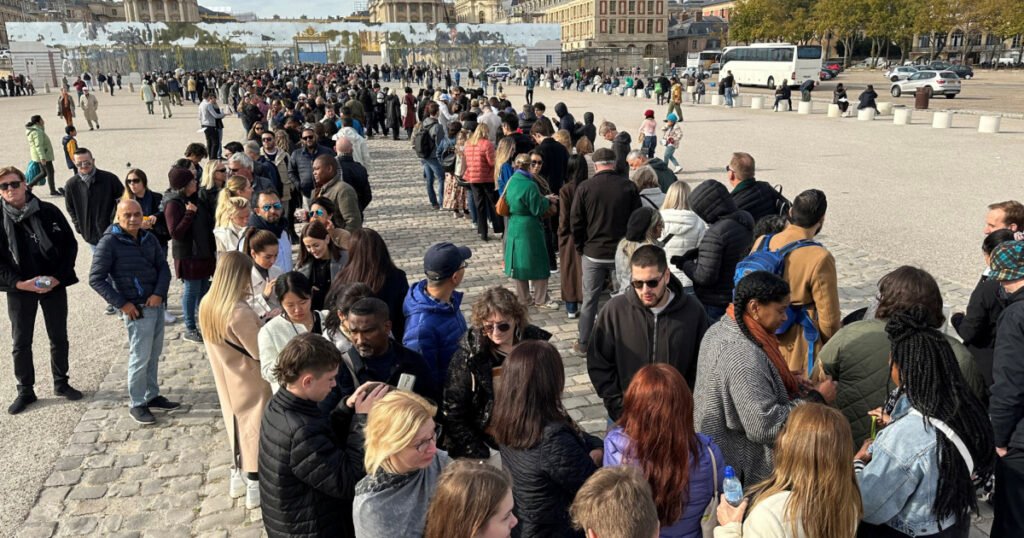
Nothing kills a vacation buzz faster than standing in a three-hour line under a blazing sun while your kids ask “are we there yet?” for the hundredth time. I’ve been there — sweaty, cranky, and watching my precious travel day tick away outside the Sagrada Família. But after years of trial and error (and a few meltdowns), I’ve learned that long lines at popular tourist attractions are mostly optional. You just need a strategy.
The good news is that skipping the worst lines rarely requires paying a fortune for VIP access. Most of it comes down to timing, a little advance planning, and knowing how these places actually work.
How Can I Avoid Long Lines at Popular Tourist Attractions?
The single biggest factor is when you show up. Almost every major attraction gets busiest between 10 a.m. and 2 p.m., when tour buses arrive and day-trippers roll in. I now plan my visits around two sweet spots: right at opening time, or in the last two hours before closing. At the Louvre, arriving at 9 a.m. sharp got me straight to the Mona Lisa room in under ten minutes — the same room had a forty-minute line by noon.
Weekdays beat weekends almost everywhere. If your schedule allows it, visit the big-ticket sights on Tuesday through Thursday. Mondays can be tricky because some museums close, so always check before you commit.
Buy Tickets Online in Advance
This is the easiest win and I honestly can’t believe people still skip it. Most major attractions now sell timed-entry tickets online, which let you walk past the ticket line entirely. The Eiffel Tower, the Vatican Museums, the Empire State Building — all of them reward advance buyers.
A few tips that have saved me real time:
- Book the earliest slot available. Early time slots sell out first, and they’re the least crowded.
- Check for skip-the-line or priority-entry options on the official site — they’re usually only a few dollars more than standard tickets.
- Avoid third-party resellers unless you’ve verified they’re legit; the official site almost always has the same tickets cheaper.
Consider a City Pass or Attraction Bundle
If you’re hitting several sights in one city, passes like the Go City pass or city tourism cards can be worth it — not just for the money, but because many include dedicated fast lanes. In Barcelona, the combination pass I bought for the Sagrada Família and Park Güell included timed entries that bypassed the general lines completely.
Do the math first, though. Add up the individual ticket prices and compare them honestly against the pass cost. If you’re only visiting two sights, buying separately is usually cheaper. For ideas on stretching your travel budget further, see our guide on how to find last-minute vacation deals before you book.
Go During Shoulder Season or Off-Peak Hours
Visiting Rome in July versus October is a completely different experience. Shoulder season — roughly April to early June and September to October in Europe — means shorter lines, lower prices, and milder weather. It’s my favorite travel hack, full stop.
If you must travel in peak season, lean hard on the timing tricks: early mornings, late afternoons, and even evening openings. Many attractions now offer extended evening hours in summer — the Vatican’s Friday night openings, for instance, are dramatically calmer than daytime visits.
Use the Side Entrances and Lesser-Known Alternatives
Big attractions often have multiple entrances, and tourists pile into the main one out of habit. Do a quick search for “skip the line” tips specific to your destination before you go. The Rick Steves travel guides are excellent for this kind of practical detail.
Sometimes the smartest move is skipping the famous spot entirely for a less crowded alternative. Can’t get into the Uffizi without a two-hour wait? The Bargello is ten minutes away and often nearly empty — and honestly just as rewarding.
Plan Around Crowds With a Day-by-Day Strategy
One mistake I used to make was treating every day of a trip the same. Now I rank my must-see sights by popularity and assign the biggest ones to the best time slots. The headliners — the Eiffel Tower, the Colosseum, the major museums — get the early-morning weekday slots. The smaller, less famous stops fill the afternoons, when the big attractions are at their worst.
It also pays to check each attraction’s calendar for special closures, holidays, and free-entry days. Free-entry days sound great but they’re often the most crowded days of the month — I usually avoid them unless the savings are dramatic. Similarly, the first Sunday of the month in many European cities means free museums and enormous crowds. Knowing this ahead of time lets you plan around it instead of walking into it.
Weather matters too. A rainy Tuesday morning is one of the best times to visit outdoor-adjacent attractions like gardens and palace grounds, because fair-weather tourists stay away. I’ve had near-empty experiences at Versailles simply because I went on a drizzly weekday.
Guided Tours as a Line-Skipping Tool
Small-group guided tours often include priority entry, and for major sights the premium can be modest — sometimes $10 to $20 over the standard ticket. The tour itself is a bonus: at places like the Vatican or the Alhambra, a good guide transforms the experience from “pretty building” to something you actually understand. I’ve done walking tours through GetYourGuide and similar platforms with consistently good results — just read recent reviews and keep groups under fifteen people.
What to Do When You Still End Up in a Line
Despite your best efforts, you’ll wait sometimes. The trick is making the wait painless. Download an offline map of the area and a good podcast or audiobook before you leave the hotel. Bring water and a snack — low blood sugar makes every line feel twice as long. And use the time productively: confirm your dinner reservation, back up your photos, or plan tomorrow’s itinerary.
If the line is genuinely absurd — two-plus hours in harsh conditions — give yourself permission to bail. Some of my favorite travel memories are the things I did instead of waiting: the neighborhood I wandered through in Rome after skipping a packed Pantheon line, the café in Paris where I spent the afternoon instead of queuing for a viewpoint. The attraction will be there tomorrow, ideally at 9 a.m.
Practical Takeaway
Buy timed tickets online, arrive at opening or near closing, go on weekdays, and consider shoulder season travel. Pack snacks and water for the lines you can’t avoid — and if you’re flying to your destination, check our packing tips on what to pack in your personal item for a flight so you’re comfortable from wheels-up. A little planning turns line-waiting from a vacation-ruiner into a minor footnote.