What Should I Know Before Renting a Car Abroad
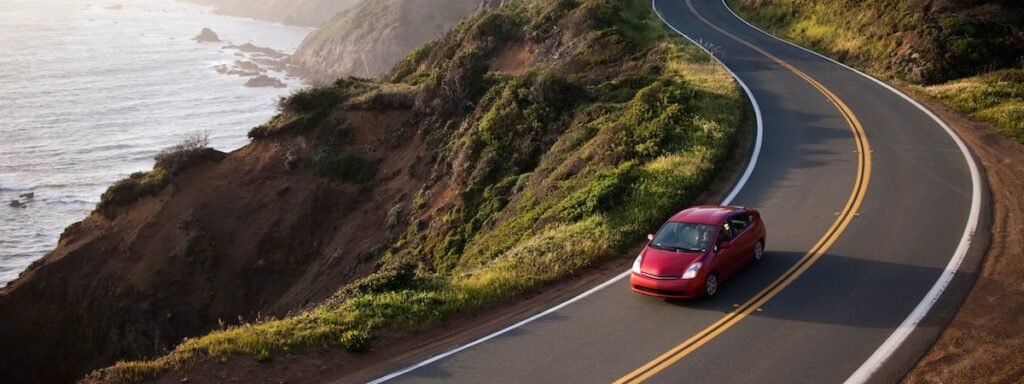
Renting a car abroad feels like freedom — until you’re standing at a rental counter in Lisbon, jet-lagged, while an agent rapid-fires insurance options at you in a language you half understand. I’ve rented cars in a dozen countries, and the difference between a smooth trip and an expensive headache almost always comes down to what I knew before I left home.
Here’s the practical rundown of what you should know before renting a car abroad, from licenses to insurance to the driving quirks nobody warns you about.
What Should I Know Before Renting a Car Abroad?
First things first: check whether you need an International Driving Permit (IDP). Your US license alone works in many countries, but places like Italy, Spain, Japan, and Greece legally require an IDP alongside it. An IDP isn’t a license itself — just an official translation of your existing one — and you can get it inexpensively through AAA before you travel. Rental agencies may not ask for it, but if you’re pulled over or in an accident, not having one can turn into a real problem.
Also confirm the minimum and maximum rental ages. Many European agencies charge steep young-driver surcharges for renters under 25, and some won’t rent to drivers over 70 or 75 without extra documentation.
Book Early and Compare Like Your Wallet Depends on It
Rental prices spike during peak season and at airport counters. I book my rental car at the same time I book flights — usually 2 to 3 months out — and I’ve consistently saved 30 to 40 percent compared to walk-up rates.
Comparison sites are useful, but check the rental company’s own website too; direct bookings sometimes include better cancellation terms. And read the fine print on what’s included: unlimited mileage, a second driver, and airport surcharges vary wildly between companies. When you’re hunting for bargains, our guide on finding last-minute vacation deals has broader strategies that apply to rentals too.
Sort Out Insurance Before You Arrive
This is where most travelers overpay. Rental counters push their collision damage waiver hard, often $25 to $40 per day. Before you accept, check three things:
- Your credit card benefits. Many premium travel cards include rental car coverage abroad as a perk — but confirm the country is covered (Ireland, Israel, and Jamaica are commonly excluded) and that you declined the rental company’s waiver.
- Your personal auto policy. Most US policies don’t extend overseas, so don’t count on it.
- Third-party policies. Standalone rental insurance bought online ahead of time is often a fraction of the counter price.
Whatever you choose, photograph the car thoroughly at pickup — every scratch, every dent — and keep the timestamped photos until the deposit clears. This five-minute habit has saved me from a bogus damage claim in Portugal.
Learn the Local Driving Rules
Every country has its quirks, and ignorance won’t get you out of a ticket:
- Speed limits and units. That “130” sign in France means kilometers per hour — roughly 81 mph, not 130.
- Roundabouts. Common across Europe and parts of Australia; yield to traffic already in the circle.
- Manual vs. automatic. Automatics cost more and are rarer abroad — if you can’t drive stick, reserve an automatic well in advance.
- ZTL zones. Many Italian cities have restricted traffic zones where non-residents get fined by camera. Learn the signs.
- Toll systems. From France’s péages to electronic tolls in Portugal, research how to pay before you hit the highway.
The US State Department’s road safety abroad page is a solid starting point for country-specific rules.
At Pickup and Drop-Off
Inspect the car in daylight if possible, note the fuel policy (full-to-full is the fairest — avoid prepaid fuel unless the price is genuinely good), and ask about emergency numbers and roadside assistance. Keep the rental agreement in the glove box.
On return, get a signed receipt confirming no new damage, and take final photos. If you’re pairing the rental with flights, check how to make a long layover enjoyable to fill any gaps between connections.
Understand Fuel, Tolls, and Parking Costs
The rental rate is only part of the cost. In Europe, gas runs significantly more expensive than in the US — often the equivalent of $7 to $8 per gallon — so a smaller, fuel-efficient car pays for itself quickly. Diesel is common and cheaper at the pump in many countries, but don’t put diesel in a gasoline car (or vice versa); misfueling can destroy an engine and rental companies charge heavily for it.
Tolls catch many Americans off guard. France, Italy, Spain, and Portugal all have extensive toll networks, and a week of highway driving can easily add $100 or more. Some countries use vignette stickers instead — Switzerland, Austria, and the Czech Republic require you to buy and display one before using highways. Research your route’s toll situation in advance and keep coins or a working card handy; not every toll booth takes every card.
Parking in European city centers is expensive and scarce. I always check whether my hotel offers parking and what it costs — “free parking” in the listing sometimes means a lot three blocks away. In historic city centers, street parking may be restricted to residents. When in doubt, park outside the center and take transit in.
Watch Out for Common Rental Scams
Most rental experiences are fine, but a few traps are worth knowing about:
- The fuel scam. Prepaid fuel policies where you’re charged for a full tank at an inflated rate and return it half-full. Choose full-to-full whenever possible.
- Phantom damage claims. This is why those pickup photos matter. Some less reputable agencies, especially at smaller airports, try to charge for pre-existing scratches. Your timestamped photos are your defense.
- The hard-sell upgrade. “Your reserved car isn’t available, but we can upgrade you for just…” If they can’t provide the class you booked, the upgrade should be free — say so politely.
- Cross-border fees. Taking the car into another country often requires advance permission and an extra fee. Declare your full itinerary at booking.
Stick with well-reviewed agencies and read recent reviews for the specific pickup location, not just the brand. A company’s reputation can vary enormously between a major airport desk and a tiny downtown office.
Practical Takeaway
Get your IDP early, book months ahead, lock in insurance before you fly, and learn the local rules. Renting abroad is genuinely one of the best ways to see a country — the small towns, the coastal roads, the places trains don’t reach. A couple of hours of homework turns it from stressful into the highlight of the trip.