How Much Should You Spend on a Wedding Without Going Into Debt?
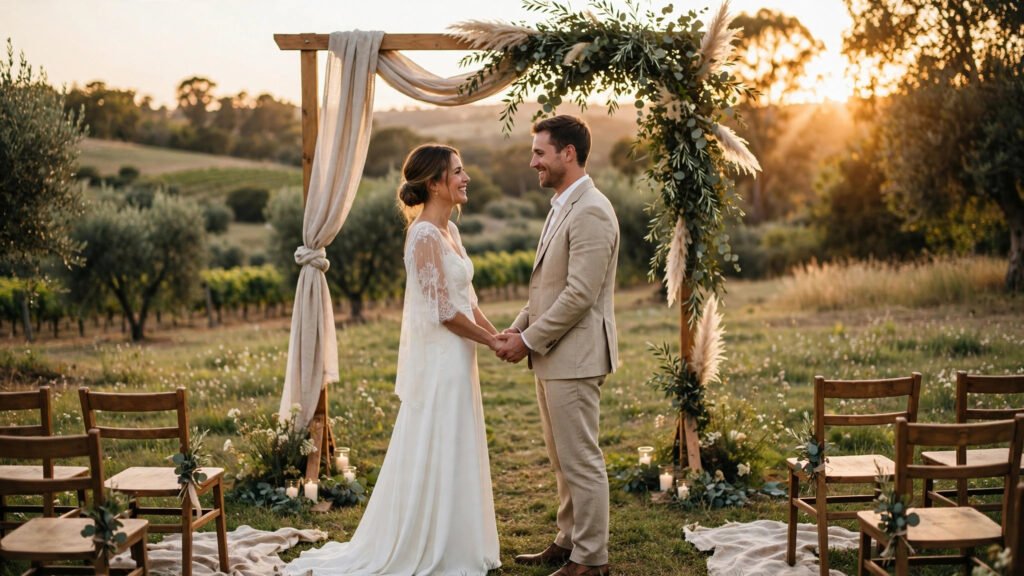
The average American wedding now costs well into five figures — a number that has roughly doubled in a generation while wages haven’t kept pace. Couples routinely finance the gap with credit cards and personal loans, starting married life with a second mortgage’s worth of debt and no house to show for it. The wedding industry, a $70+ billion machine, has a vested interest in convincing you that spending less means loving less. It doesn’t. It means starting your marriage solvent.
This guide gives you an honest framework for wedding spending: what weddings actually cost in 2026, how to set a budget that won’t haunt you, where the money really goes, the highest-impact ways to cut costs without cutting joy, and how to handle the family pressure to overspend.
What Weddings Actually Cost in 2026
National averages hover around $30,000–$35,000, but averages mislead — they blend $8,000 backyard celebrations with $100,000 productions. The median is lower than the average, and regional variation is enormous: major metro weddings routinely double small-town ones. The three budget-devourers are consistent everywhere: venue (including food and beverage minimums), photography/videography, and guest count — every additional guest multiplies catering, rentals, and favors.
Here’s the reframe that matters: a wedding is a party, not an investment. Unlike a house down payment or education, wedding spending has zero financial return. That’s not an argument against celebrating — it’s an argument for spending with open eyes. Every dollar is consumption, so the question is never “can we afford the wedding?” but “what else could this money do, and is the wedding worth more?” Saving intentionally for the wedding forces that comparison in a way that financing never does.
Setting a Budget That Won’t Haunt You
The golden rule: pay cash, or don’t spend it. If you can’t save the amount before the wedding, you can’t afford the wedding — financing a one-day party at 20%+ credit card interest is among the worst financial decisions available, and couples consistently report the debt stress outlasting the wedding joy by years.
The practical method: 1. Set the total first — based on what you can save in your engagement timeline plus any family contributions (confirmed in writing, not assumed). 2. Allocate by priority — rank what matters to you both (great food? amazing photos? live band?) and fund top priorities fully while cutting ruthlessly at the bottom. 3. Build a 10% buffer — overruns are universal; the buffer prevents the final month from becoming a credit-card emergency. 4. Track weekly — wedding budgets die by a thousand small upgrades; a shared spreadsheet reviewed together keeps drift visible.
A useful benchmark: many financial planners suggest keeping total wedding spending under 10–15% of your combined annual income, or under half of your non-retirement savings — whichever is smaller. It’s not a law, but couples who exceed it report regret at dramatically higher rates. The everyday frugality habits that fund the wedding also build the financial teamwork the marriage needs.
Where the Money Goes (and Where to Cut)
Guest list (biggest lever): cutting from 150 to 80 guests roughly halves catering, rental, and favor costs while barely affecting the experience — you spend the day with people you actually know. The most regretted wedding expense in surveys is consistently “inviting people we felt obligated to invite.”
Venue: nontraditional venues (parks, restaurants with private rooms, family property) cost a fraction of wedding-specific venues. Off-season and non-Saturday dates unlock 20–40% discounts — a Friday evening or Sunday brunch wedding is the same marriage for far less money.
Food and drink: buffet or family-style beats plated service; beer, wine, and a signature cocktail beat a full open bar (which also reduces liability and guest overindulgence); brunch or lunch receptions cost far less than dinner. Nobody remembers the catering details months later — they remember whether they genuinely had fun.
Photography: this is where splurging is most defensible — photos are the only thing that lasts. But “splurge” means hiring a talented newer photographer, not the most expensive studio in town; portfolios matter more than prices.
Flowers, decor, favors: the holy trinity of overspending. Seasonal local flowers, candles and greenery, and skipping favors entirely (most get left behind) save thousands with zero impact on anyone’s memory of the day. The intimacy skills that make date nights special — attention, atmosphere, presence — scale to weddings better than money does.
Handling Family Pressure to Overspend
The hardest budget battles aren’t with vendors — they’re with family. Whoever pays gets a say; that’s fair. But “we’re contributing, so we’re deciding” needs boundaries negotiated early, kindly, and in writing. Common flashpoints: guest list additions (“we must invite the cousins!”), traditions you don’t want, and venue upgrades beyond your budget.
Scripts that work: “We so appreciate your contribution — here’s what we’ve decided, and we’d love your input on [specific bounded choice].” Giving contributors a defined domain (rehearsal dinner, flowers) honors them without ceding the whole budget. And if family money comes with unbearable strings, declining it is legitimate — a smaller wedding you control beats a larger one you resent. The Consumer Financial Protection Bureau’s resources at consumerfinance.gov include tools for big financial decisions under social pressure — the dynamics are universal.
The CFPB’s Ask CFPB tool answers common questions about financing major expenses without overextending.
Conclusion
How much should you spend on a wedding without going into debt? Exactly what you can save in cash before the day — for most couples, that’s far less than the industry suggests and far more than enough for a joyful celebration. Set the total first, allocate by your actual priorities, wield the guest list as your biggest lever, choose off-peak timing, and hold the line with family kindly but firmly. The couples who look back happiest aren’t the ones who spent the most — they’re the ones who started married life without a lingering party hangover sitting in their bank account.
Frequently Asked Questions
What is a reasonable wedding budget in 2026?
There’s no universal number — it depends on your income, savings timeline, location, and guest count. A common planner guideline: under 10–15% of combined annual income, paid in cash. Couples routinely have wonderful weddings from $5,000 to $50,000+; the “reasonable” amount is what doesn’t create debt.
Is it okay to have a cheap wedding?
Absolutely — and “cheap” usually means intimate, personal, and creative rather than lesser. Backyard weddings, restaurant receptions, and microweddings are increasingly mainstream, and guests consistently rate the experience, not the expenditure.
How do couples usually pay for weddings?
Ideally through savings accumulated during engagement plus confirmed family contributions. The dangerous route — credit cards and personal loans — is depressingly common and consistently regretted. If savings can’t cover it, scale the wedding to the savings, not the reverse.
Should parents pay for the wedding?
There’s no rule — traditions vary widely. What’s essential is clarity: confirmed amounts, agreed boundaries on decision-making, and everything in writing before deposits are paid. Assumptions about family money cause more wedding conflict than any vendor.
What’s the biggest wedding budget mistake?
Guest-list bloat driven by obligation — every marginal guest multiplies costs across catering, rentals, and logistics while diluting the intimacy. The second biggest: financing the wedding with debt, which converts one happy day into years of payments.