How Much Water to Drink During a Workout
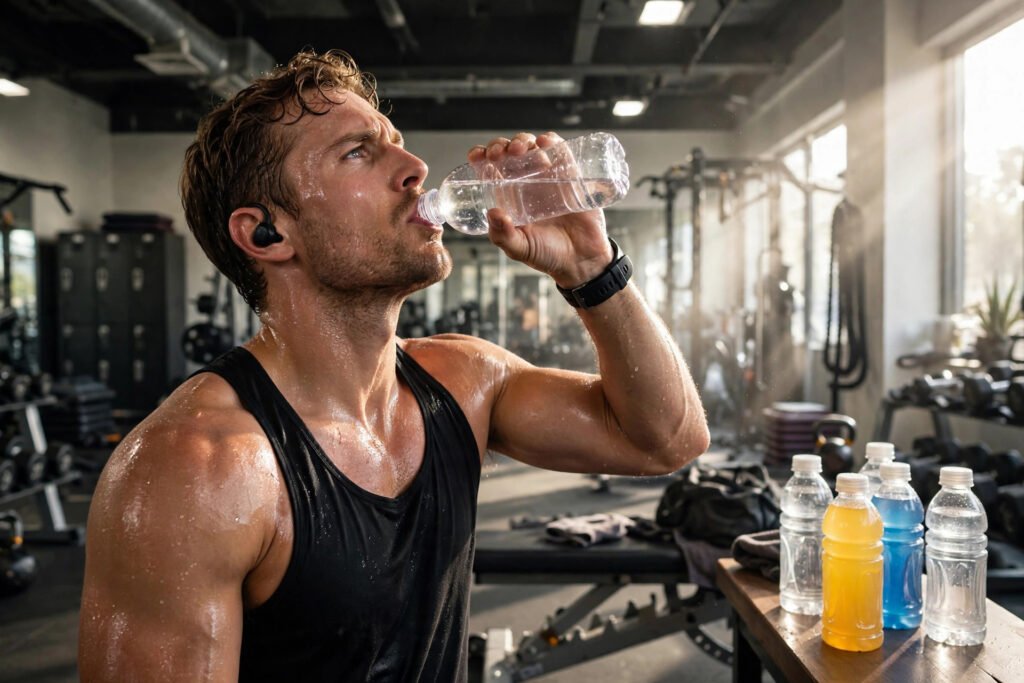
You’re 40 minutes into a summer workout, drenched, and wondering: am I drinking enough? Too much? The internet offers everything from “gallon a day minimum” to “just drink when thirsty,” and your gym buddy swears by salt tablets while your running app screams at you every 15 minutes. Hydration during exercise has become weirdly controversial — but the physiology is actually straightforward.
This guide gives you the evidence-based answer: how much water to drink during different types and durations of workouts, when to switch to electrolytes, how to personalize it with a simple test, and the signs you’re getting it wrong in either direction.
The baseline: what “drink to thirst” gets right and wrong
“Just drink when you’re thirsty” was the sports-drink industry’s rebellion against old drink-as-much-as-possible advice — and it’s half right. For workouts under 60–90 minutes in moderate conditions, thirst is a perfectly adequate guide for most people. Your body’s osmoreceptors are finely tuned instruments; overriding them with rigid schedules often causes more problems (sloshing stomach, excessive bathroom breaks) than it solves.
But thirst has limits: it’s a lagging indicator (you’re ~1–2 percent dehydrated when thirst hits), it’s blunted in adults over 50 and in cold weather, and during long or very hot sessions, losses can outpace what thirst prompts you to replace. So the refined rule: drink to thirst for short sessions, drink to a plan for long or hot ones. Your daily baseline matters too — arriving well-hydrated changes everything, so review how much water you should really drink each day if your baseline habits are shaky.
By workout type and duration: the practical numbers
Under 60 minutes (any intensity): water as desired. Most people need 8–16 ounces total — a few good swallows every 15–20 minutes. No electrolytes needed; your body’s stores handle it.
60–90 minutes, moderate heat: 16–32 ounces total, drinking steadily. Still mostly water, though a sports drink is reasonable in heat. This is where personalization starts mattering — heavy sweaters need the higher end.
90+ minutes or extreme heat: now you need a plan. Target replacing roughly 70–80 percent of sweat losses (full replacement isn’t necessary and often causes GI distress). For most people that’s 20–40 ounces per hour, including electrolytes — sodium specifically. This is the domain of marathoners, long cyclists, tournament athletes, and summer two-a-days.
Strength training: lifters chronically under-drink because the work is intermittent. Keep a bottle visible and sip between sets — 16–24 ounces per hour-long session is typical. Dehydrated muscles are weaker muscles; even 2 percent dehydration measurably reduces strength and power output.
The sweat-rate test: personalize in 10 minutes
Generic guidelines are averages; you need your number. The test: weigh yourself (minimal clothing, after using the bathroom) before a typical workout, train normally for an hour drinking a measured amount, then weigh yourself after (towel off first). Every pound lost equals ~16 ounces of sweat. Formula: (pre-weight − post-weight) × 16 + ounces consumed = hourly sweat rate in ounces.
Do it 2–3 times in similar conditions and you’ll know your rate within a useful range — typically 16–48 ounces per hour, with big athletes in heat exceeding 60. Then drink to replace most of it during similar sessions. Retest when seasons change; summer sweat rates can double winter ones. This single test eliminates 90 percent of hydration guesswork.
Water versus electrolytes: the switch point
For sessions under 90 minutes, plain water suffices — your body’s sodium stores handle short efforts. Beyond 90 minutes, or in extreme heat regardless of duration, add electrolytes: sodium (the critical one — 500–1,000 mg per liter of sweat lost), plus smaller amounts of potassium and magnesium. Sports drinks, electrolyte tablets, or salty snacks all work; the delivery method matters less than the sodium.
The danger of plain-water-only during long efforts is hyponatremia — diluted blood sodium — which has hospitalized endurance athletes who drank aggressively without electrolytes. Symptoms (confusion, bloating, nausea despite drinking lots) mimic dehydration, which is why the condition is so dangerous: the intuitive response (drink more water) makes it worse. Long-session rule: if you’re drinking a lot and still feel bad, consider electrolytes before more water. Learn the full warning-sign picture in our guide to how to tell if you’re dehydrated.
Special situations
Hot yoga / heated workouts: sweat rates rival endurance sports — treat 75–90 minute hot classes like long sessions with electrolytes, and don’t try to “tough out” dizziness.
Winter training: cold blunts thirst while sweat losses continue (plus respiratory water loss in cold air). Drink on schedule, not thirst, in winter.
Youth athletes: kids dehydrate faster relative to size and won’t self-regulate — mandate drink breaks every 15–20 minutes and offer flavored drinks (they drink more).
Masters athletes (50+): thirst sensation declines with age and kidneys concentrate urine less efficiently — deliberate scheduled drinking beats relying on thirst.
Common hydration mistakes to unlearn
Chugging a huge bottle right before training. Your gut absorbs roughly 20–30 ounces per hour; flooding it pre-workout just guarantees sloshing and bathroom breaks. Arrive hydrated from steady intake through the day instead.
Drinking only when the coach blows the whistle. Scheduled team breaks are minimums, not optimums — drink during natural pauses too.
Confusing “more is better” with “enough is best.” The goal is replacing most of your losses, not maximizing intake. Athletes who force fluids beyond thirst during moderate sessions mostly buy discomfort.
Ignoring the day before. Like the pre-workout meal, hydration is a 24-hour project. Pale-yellow urine the evening before a big session is worth more than any halftime chugging protocol.
Conclusion
How much water to drink during a workout in America comes down to duration and heat: drink to thirst under 60–90 minutes, follow a personalized sweat-rate plan beyond that, add electrolytes past 90 minutes or in extreme heat, and sip steadily during strength sessions. Test your sweat rate once, and hydration stops being a guessing game — it’s just another trained variable, like pace or load. Get this right and you’ll train harder, recover faster, and stop wondering mid-workout whether the bottle is helping or hurting. For authoritative guidance, see the NATA hydration position statements and the USADA hydration guidance.
Frequently Asked Questions
How much water should I drink during a 1-hour workout?
About 8–16 ounces, sipped every 15–20 minutes — drinking to thirst is fine at this duration. No electrolytes needed for most people under 60–90 minutes in moderate conditions.
Should I drink water or sports drinks during exercise?
Water for sessions under 90 minutes; add electrolytes (sports drinks, tablets, or salty foods) beyond 90 minutes or in extreme heat. Sodium is the critical electrolyte — plain water alone during very long efforts risks hyponatremia.
How do I calculate my sweat rate?
Weigh yourself before and after an hour of typical training (towel off, minimal clothing). Each pound lost ≈ 16 oz of sweat. Add fluids consumed during the session. Repeat 2–3 times for a reliable personal rate.
Can you drink too much water during a workout?
Yes — over-drinking plain water during long sessions dilutes blood sodium (hyponatremia), causing confusion, nausea, and bloating. Drink to replace most (not all) of sweat losses, and include sodium on long efforts.
Do I need to hydrate differently for strength training?
Keep it simpler: sip 16–24 ounces across an hour-long session. Lifters under-drink because work is intermittent — keep the bottle visible. Even 2% dehydration measurably reduces strength and power.