How Do I Find People to Play Co-Op Games with Online
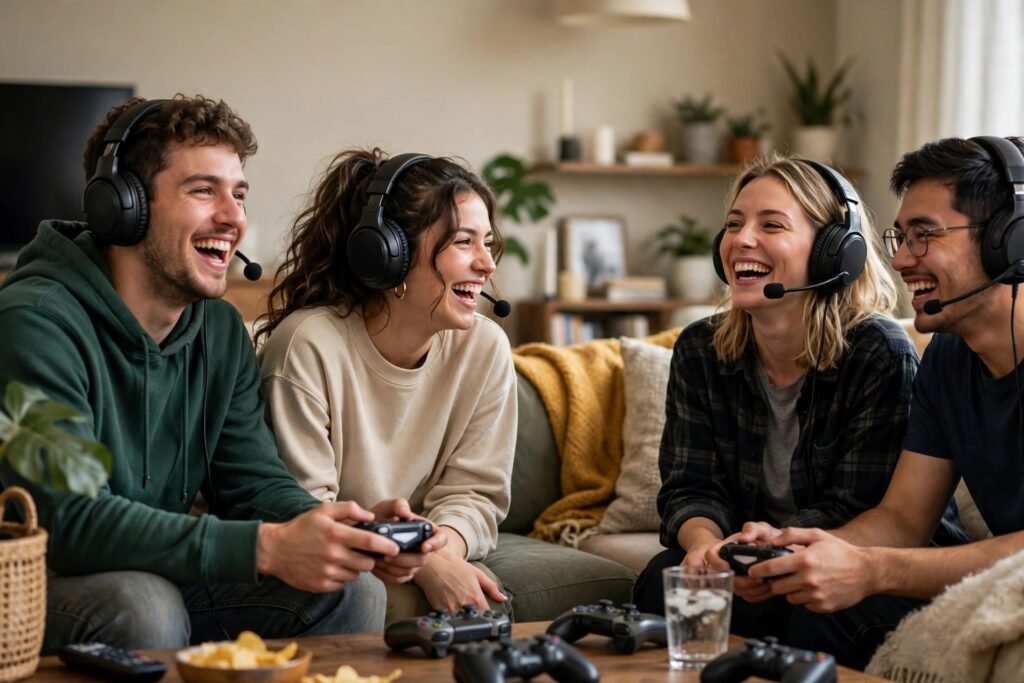
Co-op games are better with people — that’s the entire point. But finding reliable co-op partners as an adult is genuinely hard: friends have schedules, random matchmaking is a lottery, and shouting into the void of Discord servers feels hopeless. The good news: there are proven systems for finding great co-op partners, from structured communities to purpose-built tools. Whether you want a regular squad or a one-night adventure, here’s how to find your people.
Start With Your Existing Network (Properly)
Before looking outward, audit inward — most players underutilize their existing connections:
The direct ask
Message friends explicitly: “I’m looking for people to play [game] with regularly — interested?” Vague “we should play sometime” never converts; specific asks do. Name the game, the schedule (“Tuesday/Thursday evenings?”), and the commitment level. You’ll be surprised how many dormant gamers in your circle are waiting for someone else to organize.
Gaming-adjacent friends
Coworkers, cousins, college friends you haven’t talked to in years — gaming is a legitimate reconnection excuse, and shared play rebuilds relationships better than small talk. The pandemic taught everyone that online co-op counts as hanging out.
Schedule compatibility first
The number one squad killer isn’t skill mismatch — it’s schedule mismatch. Before committing to partners, align on: days/times available, session length expectations, and time zones. A regular weekly slot (even 90 minutes) sustains squads for years; aspirational “whenever we’re all free” scheduling kills them in weeks.
The Community Route: Finding Your Tribe
For regular partners, communities beat matchmaking:
Game-specific Discords
Almost every co-op game has official and community Discord servers with LFG (looking-for-group) channels. The Discord server list and disboard.org index thousands. The trick: don’t just post “LFG” — introduce yourself briefly (experience level, schedule, what you’re looking for), join voice channels during community events, and be a regular. Communities reward familiar faces; drive-by LFG posts get ignored.
Subreddits and forums
r/GamerPals, r/CoOpGaming, and game-specific LFG subreddits (r/Fireteams for Destiny, r/apexlegends LFT threads, etc.) work well with a good post: game, platform, timezone, schedule, experience level, and what you want (casual fun vs. serious progression). Specificity filters for compatibility.
Age and lifestyle communities
Some of the best co-op communities are organized around life stage, not games: dad-gamer Discords, 30+ gaming communities, women/trans-friendly gaming groups, parent-gamer networks. Shared life context (kids, jobs, limited time) predicts schedule compatibility and social comfort better than shared game taste. Search “[your demographic] gamers Discord” — these communities exist and are welcoming.
Tools Built for Finding Partners
In-game LFG systems: Destiny 2’s Fireteam Finder, FFXIV’s Party Finder, Deep Rock Galactic’s server browser — use the game’s own tools first; they’re populated and purpose-built. Dedicated apps: GamerLink, GameTree (matching algorithms for gaming partners), and the Xbox/PlayStation LFG features. Guild/clan systems: For MMOs and persistent games, joining an active guild beats assembling ad-hoc groups — guilds provide the regular schedule and social fabric that sustains long-term play.
Being Someone Worth Playing With
Finding partners is half the equation — keeping them is the other half. The traits great co-op partners share:
Reliability
Show up when you say you will. Communicate when you can’t. Nothing kills squads faster than flakiness — and nothing builds them like dependability. Be the person others can plan around.
Positive communication
Call out useful information, not blame. “Sniper on the ridge” beats “you let him get me.” The co-op partners people return to are the ones who make sessions feel good — and good comms are a skill, related to the broader art of starting conversations well in any social setting.
Skill honesty
Represent your level accurately. Joining an expert group as a beginner wastes everyone’s time; sandbagging in casual groups is equally annoying. Match your partners’ level and goals — casual with casual, serious with serious.
Reciprocity
Help others with their goals, not just yours. Run the dungeon your partner needs. The squads that last are built on mutual generosity, not transactional play.
Safety and Boundaries
Playing with strangers requires basic precautions: use voice chat before sharing personal info (get a feel for people); never share personal details (real name, location, workplace) with gaming-only acquaintances until genuine trust develops; use platform blocking and reporting tools against harassment — every major platform has them, and using them is normal; and trust your instincts about uncomfortable dynamics. The vast majority of gaming interactions are fine, but the same caution about sharing personal information online applies to gaming strangers as anywhere else. Set boundaries early and kindly — “I keep gaming and personal life separate” is a complete sentence.
The Bottom Line
Find co-op partners by: asking your existing network specifically (not vaguely), joining game Discords and age/lifestyle communities as a regular (not a drive-by), using in-game LFG and partner-finding tools, prioritizing schedule compatibility over skill matching, and being the reliable, positive, honest partner others want to keep. The secret isn’t a better app — it’s consistency, specificity, and reciprocity. Your squad is out there; go introduce yourself properly.
Where to Look, by Game Type
Different games concentrate their communities in different places. For live-service and MMO titles, the official Discord is usually the beating heart — join it, lurk for a week to learn the culture, then post in the LFG channel during peak hours with specifics (your timezone, schedule, goals). For shooters and competitive games, in-game clan and team systems plus dedicated LFG apps tend to work better than general servers. For indie and co-op campaign games, the game’s subreddit or Steam community hub often has friend-finder threads where the player base skews more casual and welcoming. PC Gamer’s community guides track which hubs are active for major titles. The universal principle: go where players of your specific game already gather, rather than shouting into generic gaming servers where nobody shares your context.
Red Flags When Meeting Gaming Strangers
Most gaming strangers are fine, but screen for the warning signs early. Anyone who immediately pushes to move off-platform to private messaging apps, asks personal questions (age, location, photos) before you have played together, or gets hostile when you set a boundary is telling you who they are — believe them. Never share account credentials, even with trusted-seeming teammates; enable two-factor authentication on every gaming account so a compromised friendship cannot become a compromised library. Be especially careful with younger players in your groups: keep communication in the game’s or Discord’s moderated channels rather than DMs. Good communities self-police — moderators who act fast on reports are a green flag worth more than any member count.
Keeping the Squad Alive Past Month One
Finding partners is the easy part; the data on gaming groups is brutal — most dissolve within weeks. The survivors share three traits. First, a fixed schedule: “Thursdays at 8” outlives “whenever everyone’s free” by orders of magnitude, because it removes the weekly negotiation that kills momentum. Second, a shared goal: working through a campaign, climbing a ranked ladder, or clearing specific content gives sessions purpose beyond hanging out. Third, low-friction communication: a persistent Discord channel where people can chat between sessions keeps the social bond warm. Rotate who picks the next game to prevent one person’s taste from dominating, and have an honest conversation when someone’s attendance drops — real life happens, and graceful exits beat ghosting. Treat your squad like a recreational sports team and it will last like one.
Frequently Asked Questions
What’s the best way to find co-op partners?
Game-specific Discord communities (as a regular, not a drive-by), LFG subreddits with specific posts, in-game LFG systems, and age/lifestyle gaming communities. Specificity about schedule and goals filters for compatibility.
How do I find people in my timezone?
Always state your timezone in LFG posts, join region-specific Discord channels, and prioritize schedule compatibility over skill when choosing partners — it’s the number one squad survival factor.
Is it safe to play with strangers online?
Mostly yes with basic precautions: voice chat first, don’t share personal info early, use blocking/reporting tools, and trust your instincts. Set boundaries kindly and early.
What makes a good co-op partner?
Reliability (show up, communicate), positive communication (info not blame), skill honesty (match the group’s level), and reciprocity (help with others’ goals too). Attitude sustains squads more than skill.
How do I keep a gaming group together?
A fixed regular schedule (even 90 minutes weekly), consistent communication channel, shared goals, and mutual reliability. Groups die from schedule drift, not boredom — protect the calendar.