
Best Business Bank Accounts for Startups in 2026 (Compared)
Mixing business and personal money is the fastest way to lose your LLC’s liability protection and create a tax-season nightmare. The best business bank account for startups keeps things separate for $0 in monthly fees — because in 2026, you shouldn’t be paying for basic business banking.
The right choice depends on whether you want a branch, how you get paid, and how much automation you want. Here’s the honest comparison.
The short answer: Mercury (free, online, great for startups and tech businesses), Novo (free, excellent integrations for freelancers), Relay (free, best for managing money across categories), or Chase Business Complete ($15/month, waivable — best if you want branches and cash deposits). All four beat paying monthly fees for basics.
The Top Picks Compared
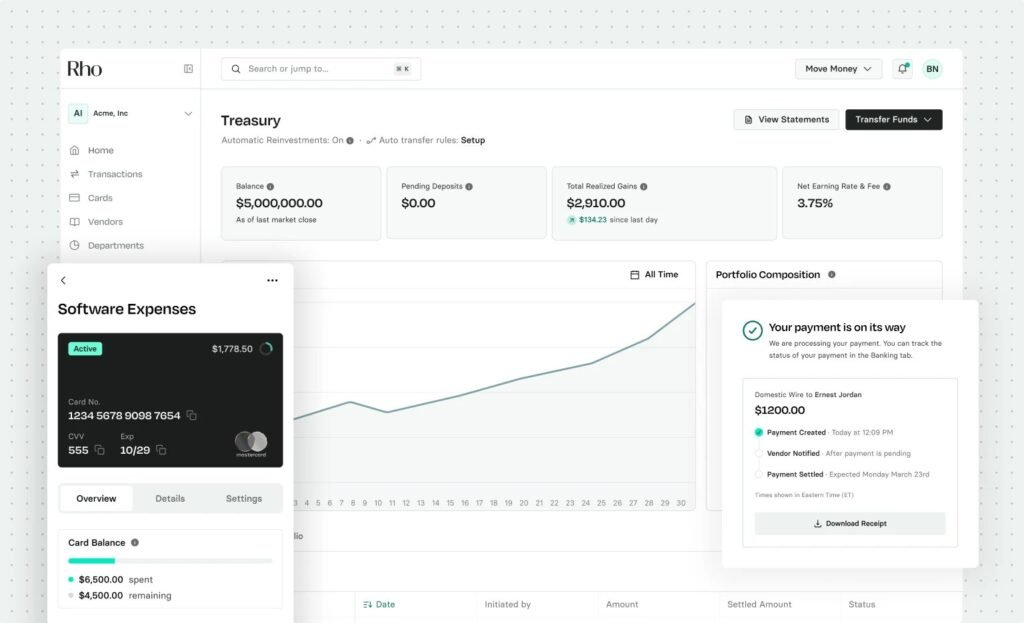
Mercury is the startup darling for good reason: no monthly fees, no minimums, beautiful interface, virtual and physical cards, free domestic wires, and API access for the technically inclined. It’s online-only (no cash deposits), built for startups and tech companies, and opening takes minutes. If your business lives online, start here.
Novo targets freelancers and small businesses with free checking, excellent integrations (Stripe, QuickBooks, Xero), and free invoicing tools built in. Relay shines for businesses that budget by category — you can create up to 20 free checking accounts (taxes, payroll, operating) with individual cards, which is envelope budgeting for businesses. Chase Business Complete ($15/month, waived with $2,000 balance or activity) is the pick if you need branches, cash deposits, or in-person service — the nationwide footprint matters for cash businesses.
- Mercury: free, online-only, best for startups/tech (no cash deposits)
- Novo: free, best integrations for freelancers
- Relay: free, 20 sub-accounts — best for budget-by-category
- Chase Business Complete: $15/mo waivable, best branch access + cash
- All: no-fee basics; avoid accounts charging for standard features
What to Look For (and Avoid)
Must-haves: $0 monthly fee (or easily waived), no minimum balance gotcha, free ACH transfers, mobile check deposit, and integration with your accounting software. Nice-to-haves: free wires, high-yield savings sweep, virtual cards for subscriptions, and sub-accounts for tax set-asides.
Avoid: monthly fees you can’t waive, per-transaction fees on basic activity, low transaction limits that trigger overage charges, and banks that make you visit a branch to do anything. Also watch the ‘free for 12 months then $25/month’ teaser — read the fee schedule, not the headline. And if you take a lot of cash, confirm deposit options and fees before committing; online-only banks are weak here by design.
Setting It Up Right From Day One
You’ll need: your EIN (free from the IRS), formation documents (Articles of Organization for an LLC), and ID. Most online banks approve in 1–3 days; Chase and other branch banks can open same-day in person. Open checking first; add savings for tax set-asides — the habit of moving 25–30% of profit to a tax account with every deposit will save you every April.
Connect the account to your accounting software (Wave, QuickBooks, Xero) immediately for automatic transaction import — this is the step that makes bookkeeping nearly automatic. Set up a separate card for business spending only, and never, ever pay personal expenses from it. That separation is what keeps your LLC’s liability protection real and your taxes clean.
When to Upgrade or Add Accounts
Add a business savings account for taxes and emergency fund as soon as revenue is steady — even a low-yield account beats commingling. Consider a business credit card (separate from the bank account decision) to build business credit and earn rewards on business spending; pay it in full monthly.
If you outgrow the basics — needing merchant services, payroll, or lending — that’s when a relationship bank like Chase earns its fees. Many businesses end up with two: an online bank for daily operations and a traditional bank for cash, lending, and the occasional in-person need. Start free and simple; add complexity only when revenue justifies it.
What Is the Best Business Bank Account for Startups That Handle Cash?
Cash businesses — food trucks, salons, markets, contractors — need what online-only banks can’t give: cash deposits. Among the main guide’s picks, Chase Business Complete is the answer, with 4,700+ branches for deposits. The $15 monthly fee waives with a $2,000 minimum balance or qualifying activity, which any operating cash business clears easily.
Alternatives worth knowing: local community banks and credit unions often offer free business checking with cash handling and genuinely better service — the trade-off is fewer branches if you travel. Bank of America and Wells Fargo have comparable branch networks to Chase with similar fee structures. Compare the cash deposit limits specifically: some ‘free’ accounts include only $5,000–$7,500/month in cash deposits before fees kick in, which a busy cash business blows past.
Cash-handling hygiene matters as much as the account: deposit regularly (don’t stockpile cash on premises), get a counterfeit detection pen ($5) and use it on large bills, reconcile cash daily against your POS or records, and consider a drop safe ($100–$200) if you hold significant cash overnight. The account is infrastructure; the habits are the security.
Ask about the bank’s small-business perks beyond the account: many offer free QuickBooks integration, discounted payroll services, business credit cards with useful rewards, and relationship-based lending later. A bank that knows your cash flow history is dramatically more likely to approve your first business loan or line of credit. The account is the beginning of a banking relationship, not just a place to park money — choose with the next three years in mind.
Related reading: what is the cheapest way to form an LLC in your state · what is the best accounting software for a one-person business
The Bottom Line
Mercury (startups), Novo (freelancers), Relay (budget-by-category), or Chase (branch access) — all with free or waivable basics. Never pay monthly fees for standard business checking in 2026. Open with your EIN, connect accounting software day one, auto-separate 25–30% for taxes, and keep personal spending far away from the business account.
Sources: Mercury business banking · SBA: business banking basics







1 thought on “Best Business Bank Accounts for Startups in 2026 (Compared)”