How Do I Set Up a Home Office for Tax Deduction Purposes
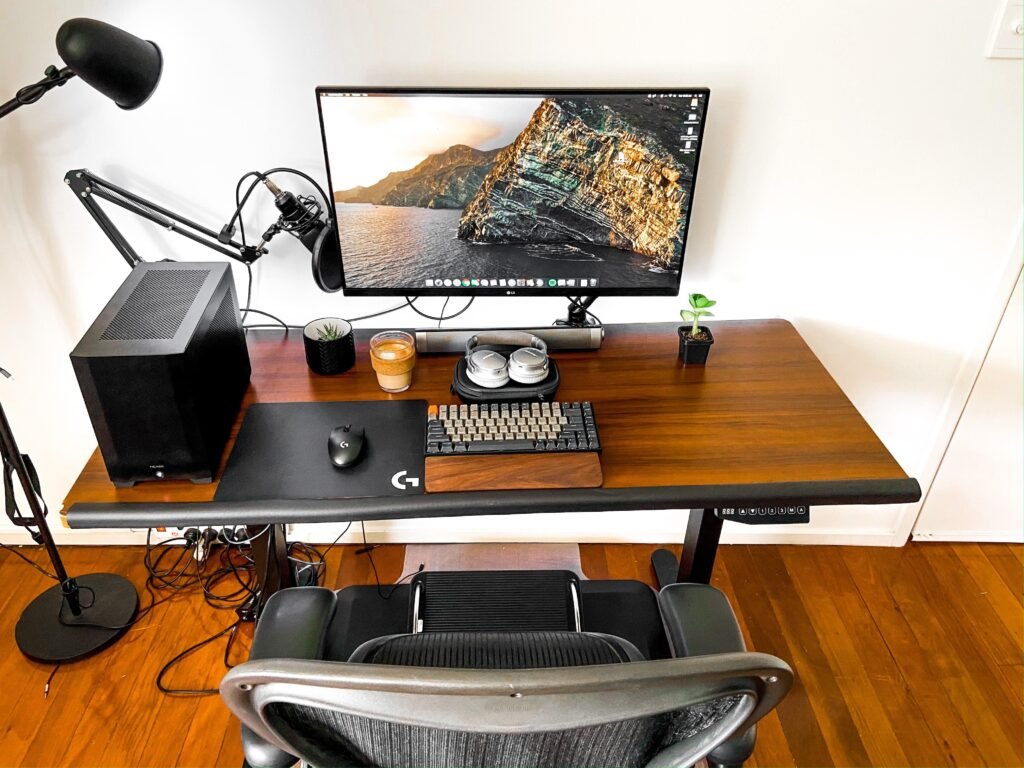
If you work from home — even part-time — the IRS may owe you money. The home office deduction lets you write off a portion of your rent or mortgage, utilities, and other home expenses. But the rules are specific, and getting them wrong invites an audit. So how do I set up a home office for tax deduction purposes the right way? Let us walk through it.
Done correctly, this deduction is worth hundreds or even thousands of dollars a year. Done sloppily, it is a red flag. Here is how to do it right.
How Do I Set Up a Home Office for Tax Deduction Purposes? The Two IRS Tests
Your home office qualifies only if it meets both of these tests:
- Exclusive use: the space must be used only for business — not a guest room with a desk in the corner, not the kitchen table. A spare bedroom converted to a full-time office qualifies; a desk in your bedroom generally does not
- Regular use: you must use it regularly for business, not occasionally — a few hours a week on a consistent schedule counts
There is also a principal-place-of-business requirement: the home office must be where you conduct substantial administrative work, even if you also work elsewhere. If you are a freelancer or remote employee doing admin from home, you typically qualify. Employees need one more thing — the home office must be for the convenience of the employer, not just your preference (a nuance worth confirming with a tax professional).
Simplified vs. Actual Expense Method
You have two ways to calculate the deduction:
- Simplified method: $5 per square foot of office space, up to 300 square feet — maximum $1,500 deduction. No receipts, no calculations, no depreciation recapture when you sell. This is the right choice for most people
- Actual expense method: deduct the business percentage of mortgage interest or rent, utilities, insurance, repairs, and depreciation. More paperwork, potentially much bigger deduction — worth it if your office is large or your housing costs are high
Quick math: a 200-square-foot office under the simplified method gives you $1,000. Under actual expenses in a $2,500/month apartment where the office is 15 percent of the space, you could deduct $4,500 in rent alone plus utilities. Run both numbers before choosing — you can switch methods year to year.
Setting Up the Physical Space
For the deduction, the IRS cares about exclusive and regular use — but for your productivity, the setup matters too:
- Define the boundary: a separate room is ideal; if that is impossible, use a room divider or clear visual boundary and photograph it
- Document everything: take dated photos of the office setup, keep a simple log of hours worked there for the first few months
- Keep it business-only: no guest bed, no kids’ homework station, no exercise bike in the corner — mixed use kills the deduction
- Invest in the basics: an ergonomic chair, decent lighting, and reliable internet pay for themselves in comfort and output
What You Can and Cannot Deduct
- Direct expenses (100% deductible): office-only costs like painting the office, office furniture, a dedicated business phone line
- Indirect expenses (percentage deductible): rent/mortgage interest, utilities, homeowners insurance, general home repairs — multiplied by your office’s percentage of total home square footage
- Not deductible: commuting from your bedroom to your office (there is no commute), landscaping, or the portion of the home used personally
One warning on the actual expense method: depreciation on the home office portion can trigger “depreciation recapture” tax when you sell your home. The simplified method avoids this entirely — another reason it is the popular choice.
Record-Keeping That Survives an Audit
Keep a dedicated folder (physical or digital) with: a floor plan showing office square footage, photos of the exclusive-use setup, utility bills and rent/mortgage statements, receipts for office furniture and equipment, and your calculation worksheet. The IRS home office page at irs.gov has the official worksheets — use them.
Good records also make the rest of your freelance finances easier. If you are self-employed, pair this with solid invoicing habits — my guide on creating a professional invoice covers the billing side, and handling non-paying clients covers the unpleasant side.
Common Audit Triggers and How to Avoid Them
The home office deduction is completely legitimate — but certain patterns attract IRS attention. Here is what raises eyebrows and how to stay clean:
- Disproportionate deductions: claiming 40% of your home as office space when you are a freelance writer invites questions. Keep the claimed percentage honest and proportional to actual exclusive business use.
- Round numbers everywhere: exactly 500 square feet, exactly $5,000 in expenses — real life is not round. Use actual measurements and actual receipts; precision signals honesty.
- No documentation: the number one audit failure. Photos of the space, a floor plan with measurements, utility bills, and a usage log turn a vulnerable claim into a bulletproof one.
- Claiming 100% of ambiguous expenses: the family cell phone plan, the whole-house internet upgrade, general home repairs — allocate honestly by business percentage. Overclaiming small items undermines credibility for the whole return.
- High income, high deductions, no profit: years of business losses combined with large home office deductions can trigger hobby-loss scrutiny. If the business genuinely loses money, document profit motive — business plans, marketing efforts, expertise development.
- Employees claiming without employer requirement: since 2018 tax reform, unreimbursed employee expenses (including home offices) are generally not deductible for W-2 employees. This deduction is primarily for the self-employed now — know which category you are in.
The through-line: claim what is real, document everything, and do the math honestly. Legitimate deductions claimed with clean records survive audits routinely. It is the sloppy, aggressive, or undocumented claims that create problems — and those are entirely avoidable.
Reminder: this is general information, not tax advice. Tax law is complex and personal — consult a qualified CPA for your situation.
The Bottom Line
Meet the exclusive-and-regular-use tests, document your space, run both calculation methods, and keep clean records. The home office deduction is one of the most straightforward tax breaks available to remote workers — claim it properly and keep the money you earned.
Disclaimer: tax rules change and personal situations vary. This is general information, not tax advice — consult a CPA for your specific situation.