
How Can I Use Email Marketing to Grow My Customer List
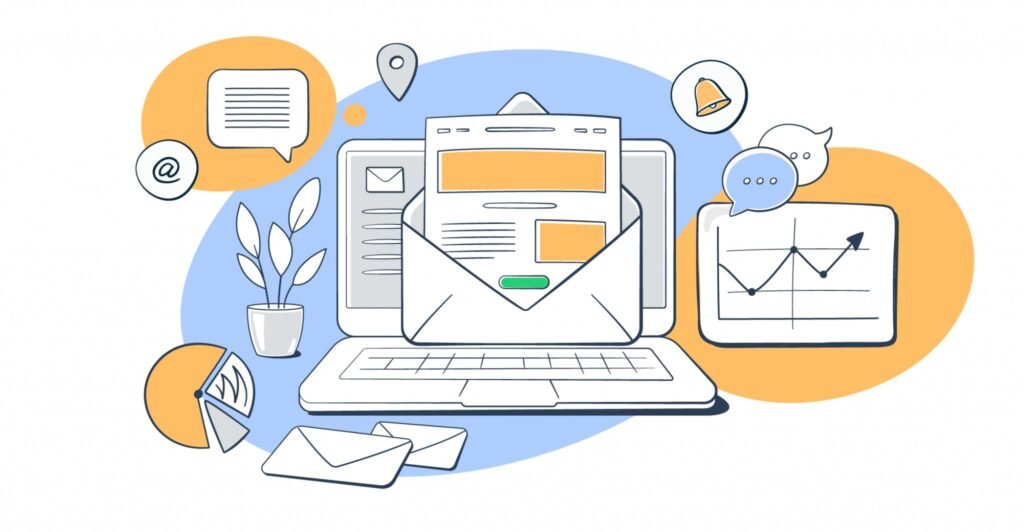
Social media algorithms change weekly. Ad costs rise yearly. But email? Email just keeps working. For every dollar spent, email marketing returns an average of $36 to $42 according to industry studies — the highest ROI of any marketing channel. If you are asking how can I use email marketing to grow my customer list, you are asking the right question at the right time.
Here is the complete playbook: how to build the list, what to send, and how to turn subscribers into customers without being spammy.
How Can I Use Email Marketing to Grow My Customer List? Start With the List Itself
Everything in email marketing flows from list quality. A thousand engaged subscribers beat ten thousand cold ones every time. Build your list with:
- A lead magnet: a free guide, checklist, discount code, or template that solves one specific problem — this is the engine of list growth
- Website opt-in forms: place them in the header, at the end of blog posts, and as exit-intent popups; test which converts best
- Checkout collection: if you sell online, every buyer should be invited to join (with clear consent)
- In-person signup: a tablet at the register or a QR code on receipts for local businesses
- Social media funnels: link in bio to a dedicated landing page, not your homepage
Never buy an email list. Purchased lists are full of dead addresses and spam traps, they violate anti-spam laws like CAN-SPAM, and they destroy your sender reputation. Build it yourself — slower, but it actually works.
Choosing an Email Platform
- Mailchimp: free up to 500 contacts; easiest for beginners
- MailerLite: free up to 1,000 subscribers; clean interface, great automation
- ConvertKit (now Kit): built for creators; excellent for digital products and courses
- Brevo: generous free tier with SMS options
- ActiveCampaign: powerful automation for growing businesses ($29+/month)
Start free, upgrade when your list earns its keep. The platform matters far less than consistency.
What to Send: The Content Calendar
The number one reason lists die is silence — then a sudden sales blast. Instead, send on a rhythm:
- Welcome sequence (automatic): 3 to 5 emails introducing yourself, delivering the lead magnet, and setting expectations — this gets the highest open rates you will ever see
- Weekly or biweekly newsletter: one useful idea, one story, one offer — the 80/20 rule of value to pitch
- Promotional campaigns: launches, sales, and seasonal pushes — fine in moderation when the list trusts you
- Re-engagement: every quarter, a “still want to hear from us?” email to cold subscribers keeps your list healthy
Writing Emails People Actually Open
- Subject lines under 50 characters — curiosity or clear benefit, never clickbait that the email does not deliver
- Write like a person — plain text style outperforms designed templates for most small businesses; it feels like a real email, not an ad
- One email, one action — every email should have a single clear call to action
- Segment your list — buyers vs. prospects, engaged vs. cold; targeted emails get dramatically higher conversions
- Test send times — Tuesday through Thursday mornings work for most B2B; weekends often win for B2C
The Federal Trade Commission’s CAN-SPAM compliance guide is required reading — the rules on unsubscribes and sender identification are simple but non-negotiable.
Measuring What Matters
- Open rate: 20 to 30 percent is healthy for small business lists
- Click rate: 2 to 5 percent means your content is resonating
- Unsubscribe rate: under 0.5 percent per email is normal; spikes mean you mismatched expectations
- Revenue per email: the metric that actually matters — track which emails drive sales
Growing Faster: Advanced Tactics
Once the basics are humming, accelerate with referral incentives (“get $10 for each friend who joins”), content upgrades on your best blog posts, webinar registrations, and partnerships where you promote each other’s lists to complementary audiences. A single good partnership can add hundreds of qualified subscribers overnight.
Email also pairs beautifully with paid advertising. If you are running ads, send that traffic to a lead magnet landing page instead of a sales page — you will build a list asset that keeps paying long after the ad spend stops. My breakdown of Facebook ad costs for small businesses shows exactly how to budget for that.
Automation Workflows That Run While You Sleep
Broadcast emails are only half the power. Automated sequences — set up once, working forever — are where email marketing becomes a true asset. Build these five in order:
- Welcome series (3-5 emails): triggers the moment someone subscribes. Email 1 delivers the promised lead magnet immediately. Email 2 shares your story and why you are different. Email 3 offers genuine value — your best tip, guide, or resource. Email 4 introduces your offer softly. Email 5 asks a question to start a conversation. This sequence alone often generates the first sales from new subscribers.
- Abandoned cart (3 emails): for e-commerce — a reminder at 1 hour, an objection-handler at 24 hours (“here is what customers ask before buying”), and a final nudge with a small incentive at 72 hours. Recovers 10-15% of abandoned carts on autopilot.
- Post-purchase (2-3 emails): thank you plus usage tips, then a review request at the right moment, then a complementary product recommendation. Turns one-time buyers into repeat customers.
- Re-engagement (2 emails): quarterly, to subscribers who have not opened in 90 days — “should I keep emailing you?” followed by a final check-in. Cleans your list and often reactivates dormant buyers.
- Birthday/anniversary (1 email): simple, personal, with a small gift or discount. Absurdly high open rates for almost zero effort.
Start with just the welcome series — it delivers 80% of automation value. Add the others one per month. Within six months you will have a marketing machine that nurtures, sells, and retains customers around the clock, and you will wonder how you ever operated without it.
Related reading: email works even better paired with paid reach — see how much Facebook ads cost for a small business to budget the combination wisely.
The Bottom Line
Build the list with a genuine lead magnet, email consistently with real value, and measure revenue — not vanity metrics. Do that for a year and you will own the most valuable marketing asset a small business can have: a direct line to people who already said yes once.







1 thought on “How Can I Use Email Marketing to Grow My Customer List”