
Is AI-Generated Art Worth Buying
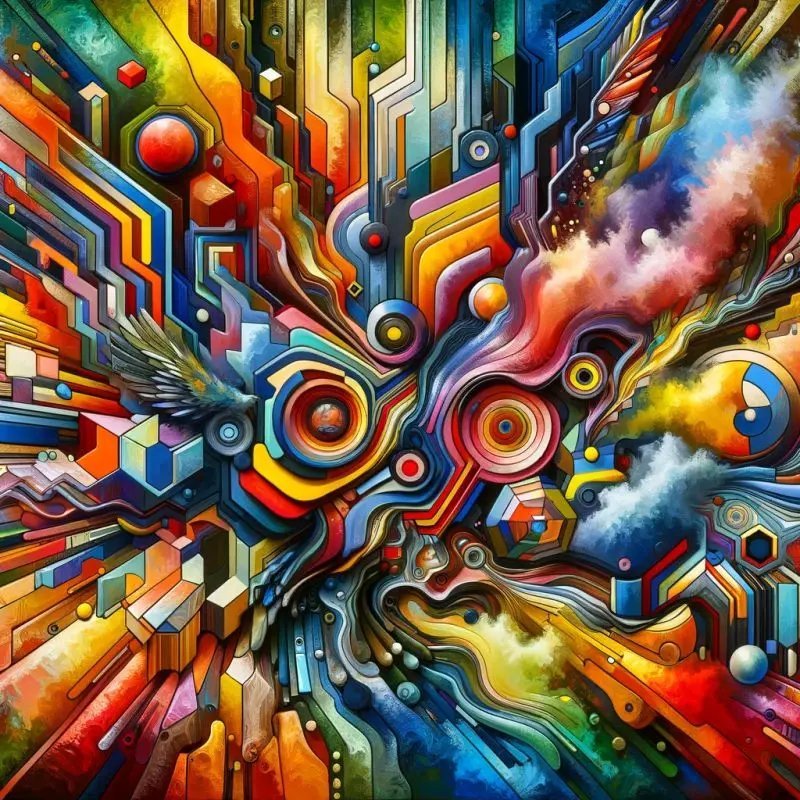
Scroll through any online art marketplace and you will find stunning digital pieces selling for real money — many of them made with AI in minutes. That raises an awkward question for buyers and artists alike: is AI-generated art worth buying? The answer depends entirely on what you mean by “worth,” so let us break it down honestly.
This is not a screed for or against AI art. It is a practical guide for anyone considering buying — or selling — it.
Is AI-Generated Art Worth Buying? It Depends What You Are Buying
People buy art for different reasons, and AI art serves some better than others:
- Decoration: you want something beautiful on your wall — AI art absolutely delivers; a $30 print that makes you happy every day is worth $30
- Commercial use: blog headers, book covers, marketing visuals — AI art is often the most cost-effective option, and licensing is straightforward
- Investment: this is where it gets shaky — AI art has no scarcity, no artist reputation trajectory, and no established resale market; do not buy it as an investment
- Emotional connection: some buyers want the story, the human struggle, the artist’s journey — AI art cannot offer that, and for these buyers it will always feel hollow
- Supporting artists: if your goal is supporting human creativity, buy human-made art — obvious, but worth stating
The Market Reality: Prices and Value
AI art typically sells for far less than human-made art — prints from $15 to $100, with most transactions at the lower end. The economics are simple: when anyone can generate infinite variations, scarcity disappears, and scarcity drives art prices. This is not a moral judgment; it is supply and demand.
That said, skilled AI artists — yes, that is becoming a real category — who curate, refine, composite, and print at high quality can command higher prices. The value shifts from generation (cheap) to curation and finishing (skilled). A well-curated, professionally printed AI piece from someone with genuine visual taste is a different product than a raw Midjourney output.
Questions to Ask Before Buying
- Is it disclosed as AI-generated? Honest sellers say so; if you have to ask, that is a red flag about the seller, not the art
- What are the usage rights? Understand what you are buying — personal display, commercial license, or exclusive rights (true exclusivity is nearly impossible with AI art)
- Is the print quality professional? AI images can have subtle artifacts that look fine on screen but terrible at 24×36 inches — ask about resolution and printing
- Could someone generate nearly the same image? If yes, do not pay a premium for “uniqueness”
- Do you actually love it? The only question that really matters for decoration
The Ethics Conversation (Briefly)
The heated debate: AI models were trained on millions of copyrighted artworks without artists’ consent. Lawsuits are ongoing, and the legal landscape is unsettled. If this bothers you, it is a legitimate reason to prefer human-made art — or to buy AI art only from artists who use ethically-trained models. There is no consensus here, and I am not going to pretend there is. But buyers should know the controversy exists.
Related reading: my guide on how to tell if an image was made by AI is useful when sellers are not forthcoming about their process.
For Sellers: Making AI Art Viable Commercially
If you are on the selling side, the winners in AI art commerce do three things: develop a recognizable style or niche (not generic fantasy landscapes — everyone does those), invest in professional printing and presentation, and be transparent about the AI involvement. The sellers struggling are those dumping hundreds of uncurated generations onto marketplaces and wondering why nothing sells. Curation is the product.
Also consider the broader playbook for turning creative work into a business — pricing, marketing, and customer relationships matter as much here as anywhere.
Where to Buy AI Art (and What to Pay)
If you have decided AI art fits your needs, here is the marketplace landscape:
- Etsy: the largest marketplace for AI art prints — huge selection, prices from $5 digital downloads to $100+ framed prints. Filter by reviews and check whether sellers disclose AI generation.
- Redbubble / Society6: print-on-demand — upload or buy designs printed on posters, canvas, home goods. Convenient, moderate prices, quality varies by seller.
- Direct from AI artists: many serious AI artists sell through personal websites or Instagram — often higher quality and curation than marketplace floods. Follow artists whose style you love.
- Stock sites: Adobe Stock now accepts (labeled) AI-generated images — useful for commercial/blog use with clear licensing.
- Commission custom pieces: many AI artists take commissions — describe what you want, get custom generations refined to your taste. $50-300 typical for personalized work.
Pricing sanity guide: digital downloads $5-20, standard prints $20-60, large/framed premium pieces $60-150, custom commissions $50-300. Prices above this need justification — exceptional curation, professional printing, established artist reputation. And always confirm: print resolution adequate for the size, return policy, and usage rights in writing. The AI art market has minimal regulation, so buyer diligence replaces the protections that traditional art markets provide through galleries and provenance.
Key Takeaways
Judge the image, not the method — but pay accordingly. AI art is worth buying for decoration and commercial use at honest prices; it is not an investment, and it should always be disclosed.
- Buy for love or utility: a $30 print that makes you happy daily is worth $30. Do not buy for scarcity or investment — neither exists here.
- Pricing sanity: digital downloads $5-20, prints $20-60, custom commissions $50-300. Premium prices need justification.
- Ask about disclosure, usage rights, and print resolution — subtle AI artifacts look fine on screen but terrible at large sizes.
- The ethics debate over training data is real and unresolved; buy from transparent sellers or ethically-trained models if it matters to you.
Further reading: the U.S. Copyright Office's guidance on AI-generated works for the current legal position.
The Bottom Line
AI-generated art is worth buying when you love how it looks, the price reflects its non-scarce nature, and the seller is honest about what it is. It is not worth buying as an investment, as a status piece, or under false pretenses about its origins. Judge the image, not the method — but pay accordingly.






