Can AI Help Me Learn to Cook New Recipes Step by Step
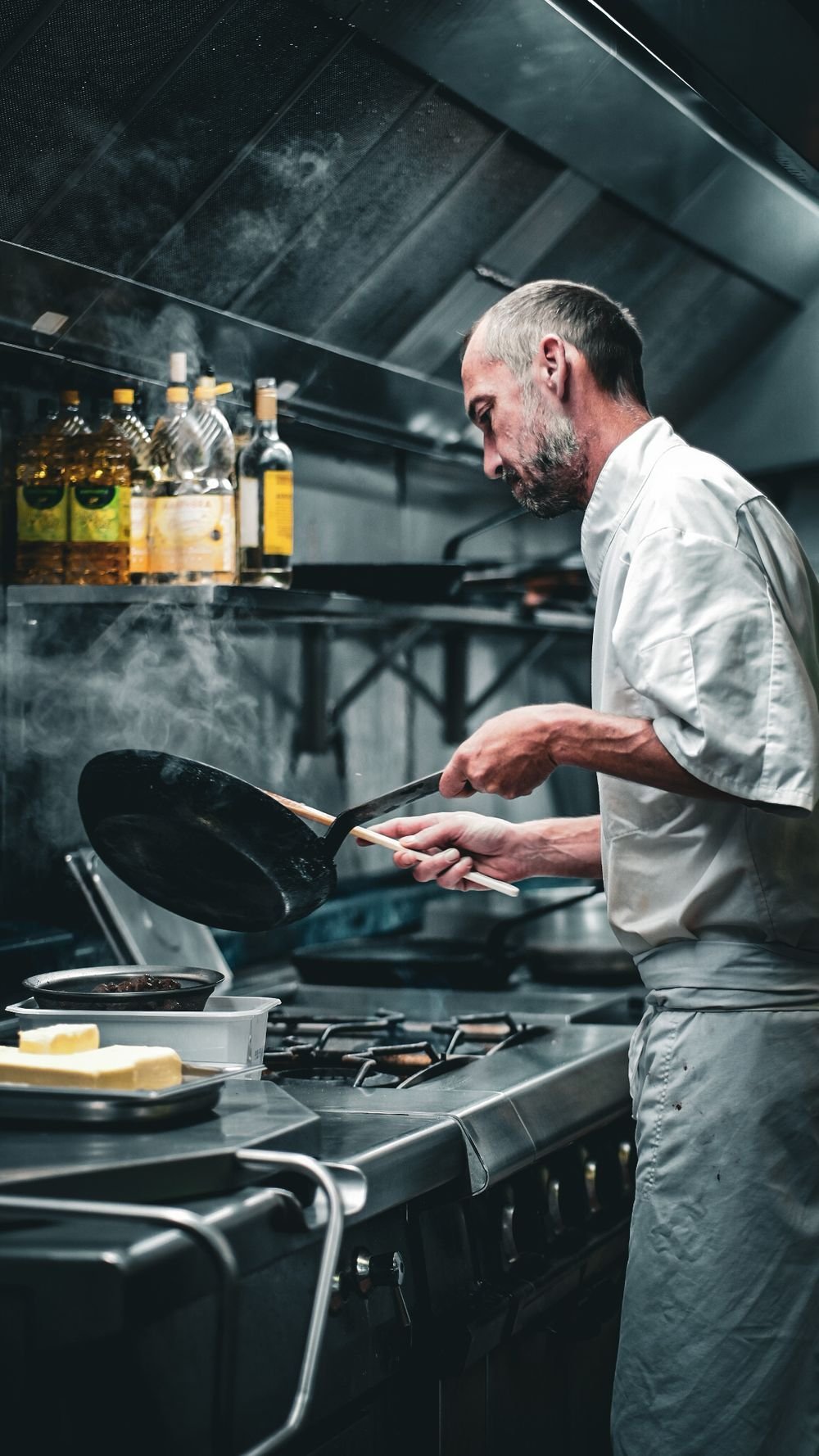
You want to make pad thai, but the recipe assumes you know what “bloom the spices” means. You do not. This is where AI becomes the most patient cooking teacher imaginable — one that never sighs, never rushes, and explains everything exactly at your level. If you are asking can AI help me learn to cook new recipes step by step, the answer is a resounding yes, and here is exactly how to do it.
Think of AI as a cooking instructor standing next to you, available at every confusing moment — which, when you are learning, is roughly every four minutes.
Can AI Help Me Learn to Cook New Recipes Step by Step? The Core Method
The magic prompt structure: “Teach me to make [dish] step by step. I’m a beginner. Explain any technique I might not know, tell me what to look/smell/listen for at each step, and warn me about common mistakes.”
Then cook interactively: complete a step, report back (“the onions are translucent, now what?”), and get the next step with adjustments based on what actually happened in your kitchen. This adaptive guidance is something no cookbook or video can offer — it responds to your food, your equipment, your mistakes.
What AI Does Brilliantly in the Kitchen
- Demystifying techniques: “What does ‘fold’ mean in baking?” “How do I know when oil is hot enough without a thermometer?” — instant, clear explanations with sensory cues
- Troubleshooting in real time: “My sauce broke — what do I do?” “The dough is too sticky” — AI diagnoses and offers fixes while dinner is still salvageable
- Adapting recipes: “I don’t have fish sauce” “Make this gluten-free” “Scale this for 2 instead of 8” — instant, reliable adjustments
- Explaining the why: “Why do I rest meat after cooking?” — understanding principles makes you a cook, not just a recipe-follower
- Building skills progressively: “I’ve mastered scrambled eggs and pasta. What’s the next skill to learn?” — a personalized curriculum
- Using what you have: “I have chicken thighs, rice, and these vegetables — what can I make?” — reduces waste and decision fatigue
A Learn-to-Cook Roadmap With AI
- Weeks 1-2: Foundations — knife skills (ask AI to explain and find good videos), eggs five ways, rice and pasta, basic seasoning principles
- Weeks 3-4: Building blocks — one-pot meals, sheet-pan dinners, simple sauces, stir-fry technique
- Weeks 5-8: Expanding — one new cuisine per week (AI plans the progression), roasting a chicken, basic baking
- Ongoing: tackle one “project recipe” monthly — the dish that intimidates you; AI breaks it into learnable steps
Pair this with smart planning: my guide on using AI to plan weekly meals handles the “what to cook” while this handles the “how.”
Critical Safety Notes
- Verify temperatures: AI sometimes states wrong safe internal temperatures — use a food thermometer and know the real numbers (165°F for poultry, 145°F for whole cuts of pork/beef with rest)
- Allergy caution: AI is not reliable for allergen safety — always read actual ingredient labels
- Food safety basics: learn the real rules (2-hour rule for perishables, cross-contamination prevention) from authoritative sources like foodsafety.gov, not just AI summaries
- Trust your senses: if something smells off, it is off — regardless of what the AI says about timing
Beyond Recipes: Becoming a Real Cook
The goal is graduating from recipe dependence to intuition. AI accelerates this by always explaining why: why acid brightens a dish, why resting matters, why heat control is everything. Ask “why” constantly. Within months, you will find yourself improvising — adjusting seasoning by taste, substituting confidently, rescuing disasters. That is not following recipes; that is cooking. And it started with an AI patiently explaining what “bloom the spices” means.
Building a Personal Recipe Collection With AI
As you learn, you will accumulate recipes worth keeping. AI helps build a personal collection that is actually useful:
- Capture and standardize: paste recipes from anywhere — websites, family cards, videos — and ask AI to rewrite them in your preferred format with consistent measurements and clear steps. Your collection, your style.
- Annotate with your notes: after cooking, tell AI what happened — “needed 10 more minutes,” “too salty, halve the soy sauce next time” — and have it update the recipe. Your annotated collection becomes more valuable than any cookbook because it reflects your kitchen, your taste, your equipment.
- Tag for searchability: have AI tag recipes by cuisine, protein, cook time, difficulty, and occasion. “Show me all 30-minute chicken dinners” beats scrolling endlessly.
- Build your rotation: ask AI to identify your 20 most-cooked recipes and organize them into a 4-week rotation. Decision fatigue solved — the rotation handles weeknights, and weekends stay open for new experiments.
- Scale and convert: your collection becomes a database — “scale grandma’s lasagna for 20,” “convert these to metric,” “make this week’s rotation gluten-free for our guest.” Instant adaptations of your own trusted recipes.
- Pass it on: a curated, annotated recipe collection is a genuine heirloom. Export it, print it, share it — the AI helped you build it, but the taste, the notes, and the memories are entirely yours.
The collection is the compound interest of cooking: every recipe you master and document pays dividends forever. AI just makes the documentation effortless — which means you will actually do it, which means it will actually compound.
Key Takeaways
Use AI as your interactive cooking coach: adaptive step-by-step guidance, real-time troubleshooting, technique explanations with sensory cues, and a progressive roadmap. Verify food safety facts independently.
- Cook conversationally: complete a step, report what happened, get the next step adjusted to your actual food and equipment.
- Always ask ‘why’ alongside ‘how’ — understanding principles (why rest meat, why acid brightens) turns recipe-followers into cooks.
- Verify safe internal temperatures with a thermometer and real guidelines; treat AI timing as approximate, your senses as final.
- Build the compound interest: capture, standardize, and annotate recipes into a personal collection that grows more valuable every year.
Related reading: Pair technique with planning: using AI to plan weekly meals handles the “what to cook” while this handles the “how.”
The Bottom Line
Use AI as your interactive cooking coach: step-by-step guidance adapted to your skill level, real-time troubleshooting, technique explanations with sensory cues, and a progressive learning roadmap. Verify food safety facts independently, ask “why” as often as “how,” and cook interactively rather than just reading. Dinner is about to get a lot more interesting.