Why Some People Get Sick More Often Than Others: Real Reasons
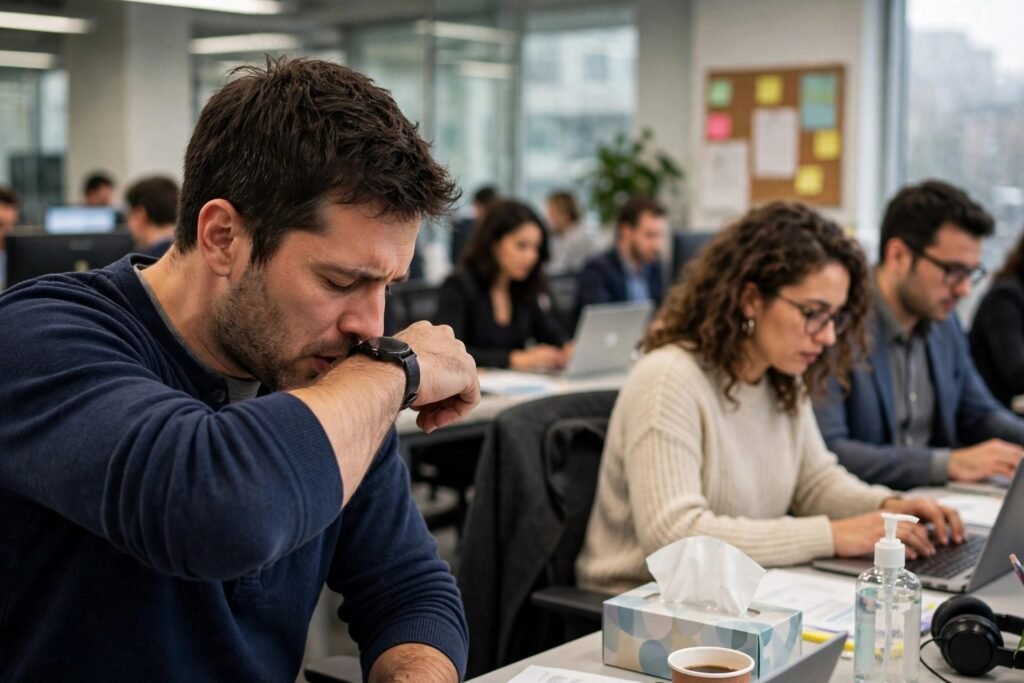
You know the person: they catch every cold that circles the office, while their deskmate — who eats vending-machine lunches and sleeps five hours — never gets sick. Or maybe you are that person, sniffling through your third cold this season while everyone else seems bulletproof. It feels unfair, and in a sense it is — but it is not random. Immunologists can point to a concrete set of reasons why some people get sick more often than others, and several of them are modifiable.
This guide breaks down the real factors behind immune susceptibility — genetics, lifestyle, environment, and medical conditions — and what you can actually do about the ones within your control.
Genetics: The Hand You’re Dealt
Start with the unchangeable: your genes meaningfully shape immune function. The HLA (human leukocyte antigen) system — the most diverse genes in the human genome — determines which pathogen fragments your immune system can recognize. Some HLA variants recognize common viruses brilliantly; others have blind spots. Twin studies suggest genetics accounts for a substantial portion of variation in immune response.
Genetics also influence innate immune vigor (how aggressively your first-line defenses respond), mucosal barrier strength, and even behavioral tendencies that affect exposure. But genetics is not destiny — it sets a range, and lifestyle determines where in that range you land. The National Institutes of Health (NIH) research on immune variation continues to map exactly how much is inherited versus acquired.
Sleep: The Master Regulator
If there is one modifiable factor that dominates, it is sleep. The evidence is striking: in landmark studies, people sleeping under six hours were four times more likely to catch a cold when exposed to a virus than those sleeping seven-plus hours. Sleep deprivation reduces natural killer cell activity, disrupts cytokine production, and impairs the adaptive immune response — including vaccine effectiveness.
Chronic short sleep is an immune suppressant hiding in plain sight. The “I’ll sleep when I’m dead” crowd is, ironically, accelerating the timeline. If you get sick constantly and sleep poorly, fix sleep first — improving sleep without medication is the highest-leverage immune intervention available, outperforming every supplement on the market.
Chronic Stress: The Silent Immune Suppressor
Short-term stress can briefly boost immunity (the “fight or flight” mobilization), but chronic stress suppresses it — reliably, measurably. Prolonged cortisol elevation shrinks immune responsiveness: fewer lymphocytes, weaker vaccine responses, slower wound healing, more frequent infections. Caregivers of dementia patients, the chronically lonely, and people in high-conflict relationships all show measurably impaired immunity in studies.
This is not about “thinking positive” — it is about the physiology of sustained stress hormones. Managing chronic stress through exercise, social connection, therapy, or workload changes is immune medicine, not just wellness fluff. Natural stress-reduction strategies directly support immune function through this pathway.
Nutrition, Gut Health, and the Obvious Deficiencies
Your immune system is built from what you eat — literally. Key nutrients with established immune roles: vitamin D (deficiency is widespread and linked to respiratory infection susceptibility — get levels checked), zinc (essential for immune cell function; deficiency impairs response), vitamin C (supports immune cell function; megadoses do not prevent colds but adequate intake matters), protein (antibodies are proteins — chronic under-eating impairs production), and iron (deficiency weakens immunity).
The gut microbiome — home to ~70% of the immune system — is increasingly central: diverse gut flora trains immune regulation, and depleted microbiomes (from poor diet, antibiotics, or chronic stress) correlate with immune dysfunction. Foods supporting gut health and seasonal immune support strategies work through these mechanisms. Extreme diets, heavy alcohol use (which directly suppresses immunity), and smoking (which damages respiratory defenses) all increase infection frequency measurably.
Exposure and Environment: The Other Half of the Equation
Getting sick requires exposure plus susceptibility — and some people simply encounter more pathogens. Parents of young children (germ factories with developing hygiene), healthcare workers, teachers, frequent travelers, and open-office workers face higher viral loads. Dry indoor winter air impairs the respiratory tract’s mucus defenses — one reason colds cluster in winter beyond just crowding.
Hygiene basics still matter enormously: handwashing remains one of the most effective infection-prevention measures known, and it is free. But the hygiene hypothesis adds nuance: overly sterile childhood environments may impair immune calibration, contributing to allergies and autoimmunity later. The goal is sensible hygiene against real pathogens, not sterilization of life.
Medical Conditions That Increase Susceptibility
Frequent illness sometimes signals underlying conditions worth investigating: primary immunodeficiencies (genetic, often undiagnosed until adulthood), autoimmune diseases and their immunosuppressive treatments, diabetes (high blood sugar impairs immune cell function), chronic lung/kidney/liver disease, HIV, certain cancers and chemotherapy, and age-related immune decline (immunosenescence — the over-65 immune system responds more slowly).
Red flags warranting medical evaluation: more than four ear infections or two pneumonias yearly, persistent infections needing repeated antibiotics, infections in unusual locations, or a sudden change in your illness pattern. The Centers for Disease Control and Prevention (CDC) provides guidance on when recurrent infections merit immunological workup. Do not just accept “I get sick a lot” as identity — sometimes it is a diagnosable, treatable condition.
The Age Factor: Kids, Adults, and Seniors
Context matters enormously. Young children average 6–8 colds yearly — their immune systems are literally in training, and daycare exposure is intense. Healthy adults average 2–4. Adults over 65 face immunosenescence: the immune system responds more slowly and less vigorously, making vaccination (flu, pneumonia, shingles, COVID boosters) disproportionately important. If your illness frequency suddenly changes at any age — a healthy adult who starts catching everything — that change itself is the signal to investigate, not the absolute number.
Conclusion
Some people get sick more often because of a layered combination: genetic immune variation, sleep debt, chronic stress, nutritional gaps, gut health, exposure levels, and sometimes underlying medical conditions. The empowering part is how much sits within your control — sleep 7+ hours, manage chronic stress, eat adequately (especially vitamin D, zinc, and protein), support your gut, wash your hands, moderate alcohol, and do not smoke. These unglamorous fundamentals outperform every immune-boosting supplement stack. And if frequent illness persists despite the fundamentals, see a doctor — because sometimes the answer is not lifestyle at all, but a condition waiting to be found and treated.
Frequently Asked Questions
Is it normal to get sick 4-5 times a year?
For adults, 2–4 colds yearly is average; children get more. Consistently exceeding this — especially with slow recovery or complications — is worth discussing with a doctor, particularly if the pattern is new.
Can stress really make you get sick more?
Yes — chronic stress measurably suppresses immune function through sustained cortisol elevation: fewer infection-fighting cells, weaker vaccine responses, slower healing. This is well-established physiology, not folk wisdom.
Do immune-boosting supplements work?
For genuinely deficient people (vitamin D, zinc), correcting the deficiency helps. For well-nourished people, megadose supplements show little benefit and can cause harm. Fix deficiencies; do not chase megadoses.
Why do I get sick every winter?
Winter combines more indoor crowding (exposure), dry air impairing respiratory defenses, less sunlight (vitamin D drops), and holiday stress/sleep disruption. It is environmental, not inevitable — humidifiers, sleep, and handwashing help.
When should frequent illness be medically evaluated?
See a doctor for: unusually frequent or severe infections, infections needing repeated antibiotics, a sudden worsening pattern, or infections in unusual sites. Recurrent illness can signal immunodeficiency, diabetes, or other treatable conditions.