
How Can I Boost My Immune System During Flu Season
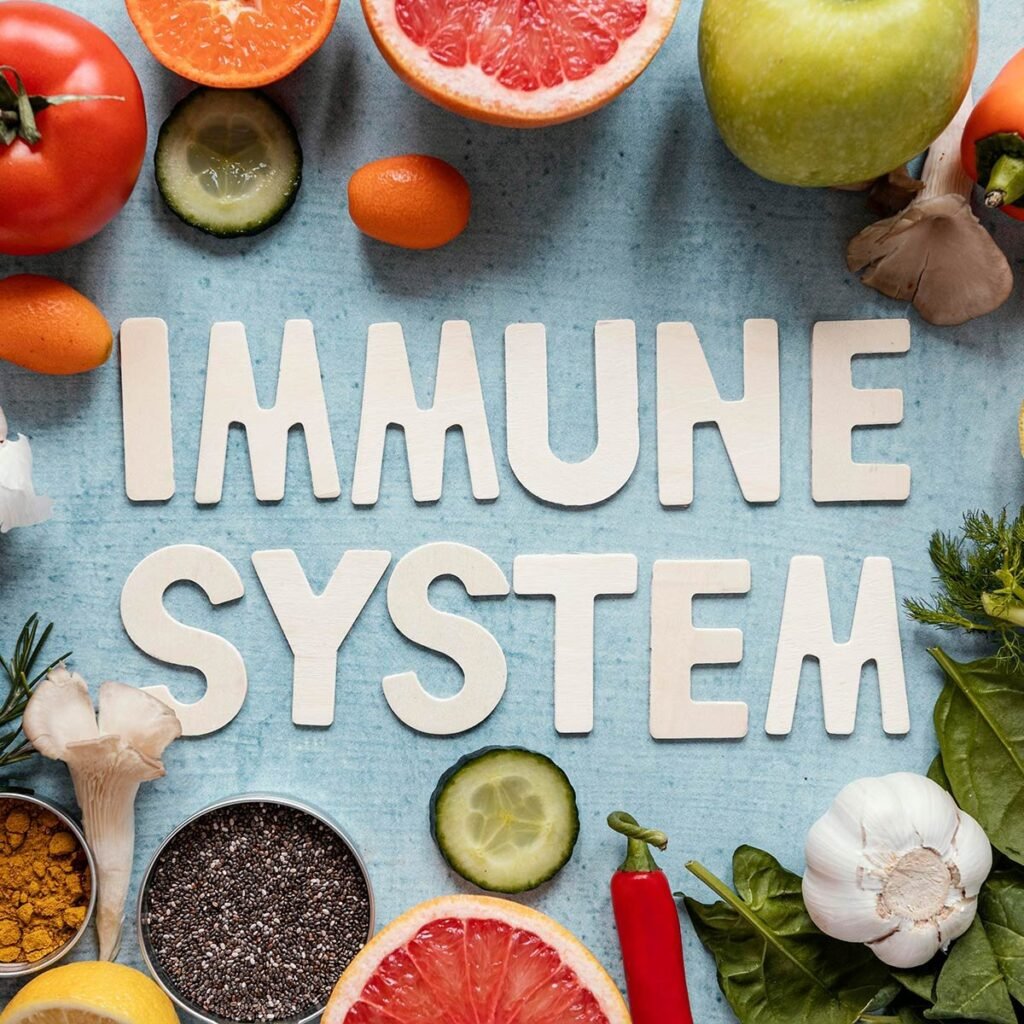
Flu season is coming, and everyone has a theory — megadose vitamin C, elderberry syrup, that expensive “immunity blend” from the wellness aisle. Some of it helps. Most of it is marketing. If you are asking how can I boost my immune system during flu season, here is what immunology actually supports: the unglamorous fundamentals that genuinely work, plus an honest assessment of the popular supplements.
First, a reality check: you cannot “boost” your immune system like overclocking a computer. A hyperactive immune system causes allergies and autoimmune disease. The goal is a well-functioning immune system — and that comes from basics, not bottles.
How Can I Boost My Immune System During Flu Season? The Fundamentals That Actually Work
1. Sleep (The Heavyweight Champion)
The single most impactful immune behavior. People sleeping under 6 hours are 4x more likely to catch colds than those sleeping 7+. Sleep is when your immune system produces cytokines and T-cells. One bad night measurably suppresses immune function. If you do nothing else on this list, fix your sleep — my guide on falling asleep without medication can help.
2. Get Vaccinated
The flu vaccine reduces your risk of illness by 40-60% in well-matched years and dramatically reduces severity when breakthrough infections occur. It is the most evidence-backed immune intervention in existence. Annual flu shots, updated COVID boosters per current guidance, and other age-appropriate vaccines are the foundation everything else builds on.
3. Eat for Immunity
- Vitamin C-rich foods: citrus, bell peppers, strawberries, broccoli — supports immune cell function; food sources beat supplements
- Vitamin D: deficiency impairs immunity and is extremely common in winter — get levels checked; supplement if deficient (see signs of vitamin D deficiency)
- Zinc: meat, legumes, nuts, seeds — essential for immune cell development; deficiency is common
- Probiotic foods: yogurt, kefir, kimchi, sauerkraut — gut health and immune function are deeply linked
- Colorful produce generally: the antioxidants and phytonutrients across fruits and vegetables support immune function collectively
4. Exercise Moderately and Consistently
Regular moderate exercise enhances immune surveillance — immune cells circulate more effectively. The sweet spot: 30-45 minutes of moderate activity most days. Note the J-curve: extreme endurance exercise temporarily suppresses immunity, so marathon training during flu season requires extra recovery attention.
5. Manage Stress
Chronic stress raises cortisol, which suppresses immune function measurably. This is not wellness fluff — it is immunology. Exercise, sleep, social connection, and stress-reduction practices are immune strategies. If stress is tipping into anxiety territory, my guide on anxiety vs. stress can help you sort it out.
6. Do Not Smoke, Limit Alcohol
Smoking damages respiratory immune defenses directly. Excessive alcohol suppresses immune function for 24+ hours after heavy drinking. Both are among the most impactful modifiable immune factors.
The Honest Supplement Assessment
- Vitamin D: supplement if deficient (get tested) — genuinely important, especially in winter
- Vitamin C: will not prevent colds in the general population, but may slightly reduce duration; food first
- Zinc lozenges: modest evidence for reducing cold duration if started within 24 hours of symptoms
- Elderberry: some evidence for reducing flu duration; not prevention
- Echinacea: mixed evidence at best
- “Immunity blends”: expensive, underdosed, unproven — marketing over medicine
- Megadoses of anything: more is not better; excessive zinc, vitamin A, and others can harm immunity
Hygiene: The Unsexy Superpower
Hand washing, not touching your face, staying home when sick, and ventilating indoor spaces prevent more illness than any supplement. These boring basics outperform the entire wellness aisle combined. During peak flu season, consider masking in crowded indoor spaces — it works, whatever the culture wars say.
The CDC provides current flu season guidance, vaccine information, and prevention recommendations.
Travel Immunity: Staying Healthy on the Go
Travel concentrates every immune challenge — recycled air, sleep disruption, new pathogens, stress. A travel-specific protocol:
- Before you go: prioritize sleep the week before (do not start the trip depleted), confirm vaccinations are current, pack hand sanitizer, sanitizing wipes, and any regular supplements. Consider vitamin D if you are deficient — winter travel especially.
- On the plane: wipe down tray table, armrests, and seatbelt buckle; use hand sanitizer after touching shared surfaces; stay hydrated (cabin air is extremely dry); consider a mask on crowded flights during peak season — the data supports it.
- Sleep defense: bring earplugs, an eye mask, and melatonin (for time-zone adjustment, its evidence-based use). Protecting sleep across time zones is the highest-impact travel immune strategy.
- Eat defensively: in areas with questionable water, stick to bottled water, cooked foods, and peelable fruit. Probiotic foods or supplements may help maintain gut stability during travel.
- Manage the stress: travel stress suppresses immunity measurably. Build buffer time into itineraries, have backup plans, and accept that some things will go wrong — the cortisol you save is immune function you keep.
- After return: prioritize sleep recovery over “catching up” immediately. Most post-travel illness hits 2-5 days after return — the window when depleted defenses meet re-exposure. Rest deliberately during it.
Frequent travelers should treat immune maintenance as part of trip planning, not an afterthought. The fundamentals do not change on the road — sleep, hygiene, nutrition, stress management — they just require more deliberate effort. Pack the habits with the passport.
This article is for informational purposes only and is not medical advice.
Key Takeaways
Sleep 7-9 hours, get vaccinated, eat colorful whole foods, exercise moderately, manage stress, wash your hands, and stay home when sick. Your immune system does not need boosting — it needs the basics done consistently.
- Sleep is the heavyweight champion: under 6 hours makes you 4x more likely to catch colds. Fix sleep before buying supplements.
- Vaccination is the most evidence-backed immune intervention in existence — 40-60% fewer flu illnesses in well-matched years.
- Honest supplement guide: vitamin D if deficient (get tested), zinc lozenges early in colds, elderberry for duration — skip expensive ‘immunity blends.’
- Travel protocol: protect sleep across time zones, sanitize high-touch surfaces, mask on crowded flights in peak season.
The Bottom Line
Sleep 7-9 hours, get vaccinated, eat colorful whole foods (checking vitamin D), exercise moderately, manage stress, wash your hands, and stay home when sick. That is the complete evidence-based immune strategy — no expensive supplements required. Your immune system does not need boosting; it needs the basics done consistently. Flu season rewards the boring and punishes the neglectful.
This article is for informational purposes only and is not medical advice.







2 thoughts on “How Can I Boost My Immune System During Flu Season”