What’s the Healthiest Cooking Oil for Daily Use?
Walk down the cooking oil aisle and you’ll face a wall of conflicting claims: coconut oil is a superfood! No, it’s poison! Seed oils are toxic! Olive oil can’t handle heat! It’s enough to make you grab whatever’s cheapest and hope for the best. If you’re asking what is the healthiest cooking oil to use daily, you deserve a straight answer based on actual nutrition science rather than wellness-influencer wars. I’ve dug through the research, and the answer is clearer than the internet makes it seem.
What Is the Healthiest Cooking Oil to Use Daily?
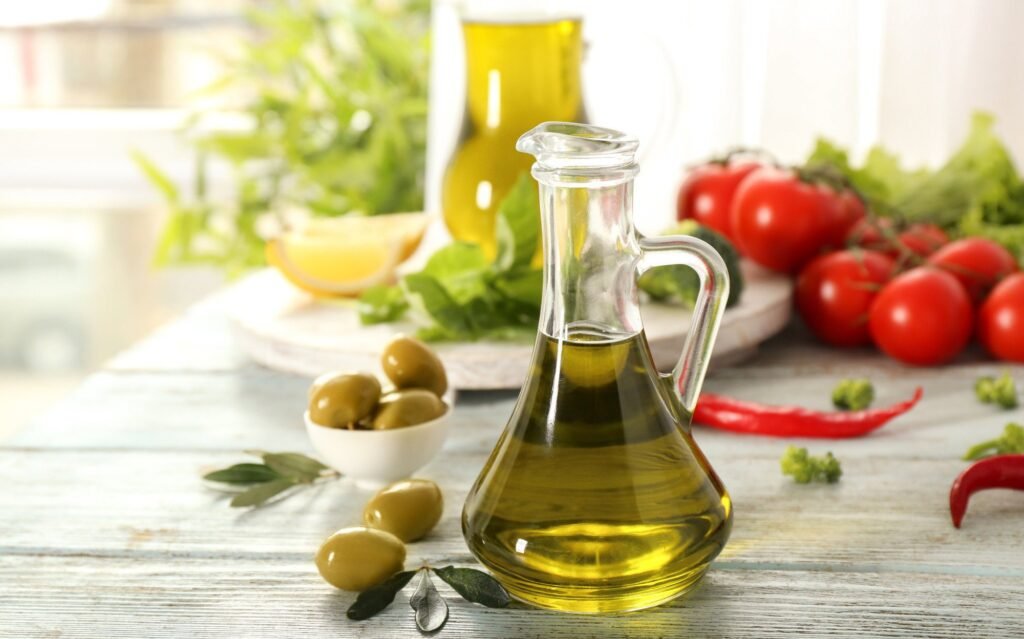
For everyday cooking, extra virgin olive oil wins on the totality of evidence. It’s rich in monounsaturated fats (the heart-healthy kind), loaded with polyphenols and antioxidants, and backed by the deepest research base of any cooking fat — including the landmark PREDIMED trial linking Mediterranean-style eating (heavy on olive oil) to major cardiovascular benefits. The “don’t heat olive oil” fear is largely myth: quality extra virgin olive oil has a smoke point around 375–410°F and its antioxidants actually make it more stable under heat than many refined oils. It’s fine for sautéing, roasting, and most everyday cooking.
The strong runner-up: avocado oil. Similar monounsaturated profile, neutral flavor, and a very high smoke point (~520°F for refined), making it the best choice for high-heat searing and stir-frying. It’s pricier, which is why many cooks use olive oil daily and keep avocado oil for high-heat jobs.
The Full Ranking, Honestly Assessed
- Extra virgin olive oil — the daily default. Best evidence, great flavor, versatile.
- Avocado oil — best for high heat. Neutral taste, excellent fat profile, expensive.
- Canola/rapeseed oil — the unfairly maligned workhorse. Low in saturated fat, high in monounsaturates, affordable, neutral. The “toxic seed oil” panic isn’t supported by evidence; major health organizations consider it fine. Not exciting, but solid.
- Peanut, sesame, sunflower, safflower oils — fine in moderation, especially for flavor (sesame) or high-heat (peanut, safflower). Higher in omega-6s, which is only a concern if your overall diet is already heavy in processed foods.
- Coconut oil — use sparingly. It’s 90% saturated fat, which raises LDL cholesterol. The “superfood” claims outrun the evidence considerably. Fine for flavor in small amounts; not a health food.
- Butter and ghee — delicious, and fine in small amounts within an otherwise healthy diet. But as a daily primary cooking fat, the saturated fat load adds up. Ghee’s high smoke point makes it useful for high-heat Indian cooking.
- Palm oil — high in saturated fat plus serious environmental concerns. Easy to avoid and worth avoiding.
The American Heart Association’s guide to healthy cooking oils aligns with this ranking.
Smoke Points: What Actually Matters
Smoke point — the temperature where oil starts breaking down and smoking — matters, but it’s not the whole story. Oxidative stability (how well the oil resists forming harmful compounds when heated) matters more, and antioxidant-rich oils like extra virgin olive oil punch above their smoke-point weight here. Practical rules: match the oil to the heat (avocado or refined oils for screaming-hot sears, olive oil for everything else), don’t reuse frying oil repeatedly, and if oil is smoking, it’s too hot — discard and start over. Never heat any oil until it’s smoking as a routine practice.
Fat Quality in Context
Here’s the perspective the oil wars miss: your overall dietary pattern matters far more than which bottle you grab. Someone eating plenty of vegetables, legumes, whole grains, and fish with canola oil is doing vastly better than someone eating ultra-processed food cooked in premium olive oil. The oil choice is optimization, not foundation. If you’re watching cholesterol specifically, knowing which foods to avoid with high cholesterol matters more than agonizing over oil brands. And from a budget angle — eating healthy on a tight budget — store-brand olive oil and canola oil are both affordable and perfectly good choices.
One more myth to retire: “low-fat cooking” as a virtue. Fat carries flavor, aids absorption of fat-soluble vitamins (A, D, E, K), and increases satiety. The goal was never zero fat — it’s the right fats in sensible amounts. A tablespoon or two per meal of a good oil is squarely in healthy territory. The Healthline breakdown of cooking oils has the detailed fatty-acid comparisons for the data-curious.
Olive Oil Buying Guide (Don’t Overpay)
The olive oil aisle is marketing chaos, so here’s the decoder: “extra virgin” means first cold press, highest polyphenols — worth it for dressings and finishing. “Virgin” or “pure/light” is refined — fine for high-heat cooking where the delicate flavors would burn off anyway. Country of origin matters less than harvest date — olive oil degrades with age, so look for a harvest or “best by” date and buy the freshest. Dark bottles or tins protect from light damage; clear bottles on bright shelves are a red flag. Price: decent everyday extra virgin runs $10–20 — you don’t need the $40 boutique bottle for sautéing. Store away from the stove (heat degrades it) and use within a few months of opening. Good oil, stored right, is one of the cheapest health upgrades in your kitchen.
Cooking Techniques That Matter More Than Oil Choice
Here’s the uncomfortable truth: how you cook matters more than what you cook with. Deep-frying in the world’s healthiest oil is still deep-frying. The techniques that keep oil healthy: don’t overheat — if it’s smoking, it’s degrading; control the temperature. Use less: a teaspoon of oil plus a nonstick pan or a splash of broth often does the job of a tablespoon. Don’t reuse frying oil repeatedly — each heating cycle creates more harmful compounds. Try water-sautéing: start vegetables in a splash of water or broth, add a teaspoon of olive oil at the end for flavor — you get the taste with a fraction of the fat. Roast instead of fry when possible — a light oil coating on roasted vegetables delivers the flavor with far less absorption. The healthiest oil used badly loses to an average oil used well.
The Practical Takeaway
Make extra virgin olive oil your daily default — for sautéing, roasting, dressings, everything short of a ripping-hot sear. Keep avocado oil (or another high-smoke-point oil) for high-heat cooking. Use butter and coconut oil for flavor in small amounts, not as foundations. And remember: the oil is a detail; the overall pattern of real, minimally processed food is the headline. Buy the decent olive oil, cook your vegetables, and don’t let the internet’s fat wars live in your head rent-free.