
How to Eat Healthy on a Tight Budget: 15 Practical Tips
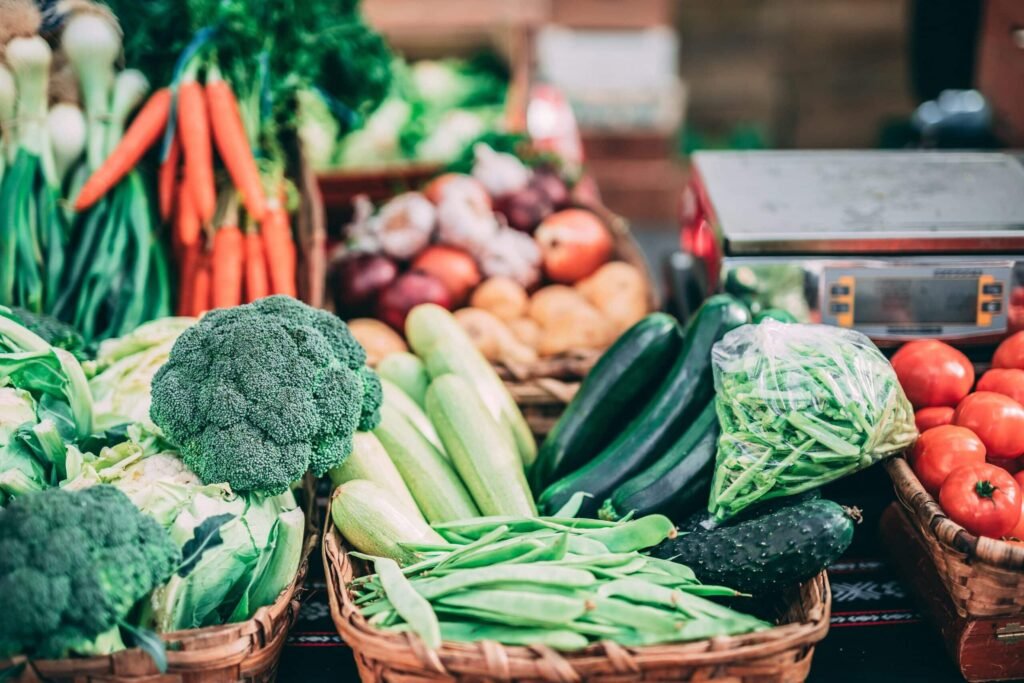
There’s a stubborn myth that eating healthy requires a Whole Foods budget and a personal chef. It’s nonsense. Some of the most nutritious foods on earth — beans, lentils, oats, eggs, frozen vegetables — are also the cheapest. If you’re asking how can I eat healthy on a tight budget, the answer isn’t deprivation or sad iceberg lettuce. It’s strategy. I’ve fed myself well on very lean grocery budgets, and the difference between struggling and thriving came down to a handful of habits, not a bigger paycheck.
How to Eat Healthy on a Tight Budget
The foundation is simple: build meals around cheap nutritional powerhouses. Dried beans and lentils cost pennies per serving and deliver protein, fiber, iron, and folate. Oats are one of the best breakfast values in existence. Eggs pack complete protein for around 20 cents each. Brown rice, potatoes, carrots, cabbage, bananas, and frozen vegetables round out a cart that feeds you genuinely well for remarkably little. The USDA’s healthy eating on a budget guide backs this up with meal-planning frameworks that actually work for real families.
Frozen produce deserves a special defense. It’s typically frozen at peak ripeness, nutritionally equal to fresh (sometimes better, since “fresh” produce may have traveled for a week), and it doesn’t rot in your crisper while you feel guilty. Frozen berries, broccoli, spinach, and mixed vegetables are budget all-stars. Canned beans, tomatoes, and tuna (in water) are pantry insurance — nutritious, shelf-stable, and always ready.
Shop Like a Strategist, Not a Wanderer
Most grocery overspending happens from aimless shopping. The fix:
- Plan 4–5 dinners a week, not seven. Leave room for leftovers and flexibility. Planning every single meal is how meal plans die by Wednesday.
- Shop with a list and eat before you go. Hungry, listless shopping is where the $40 of impulse snacks comes from. This one habit saves more than any coupon.
- Buy store brands. The generic oats, beans, and frozen vegetables are nutritionally identical to the name brands. The packaging is the only real difference.
- Learn unit pricing. The shelf tag showing price per ounce is the great equalizer. Bigger isn’t always cheaper — do the math.
- Hit the perimeter first. Produce, dairy, meat, and eggs live on the store’s outer walls; the expensive processed stuff fills the middle aisles. Shop the walls, visit the middle only for your list items.
- Time your shopping. Many stores mark down meat, bakery, and produce in the evening. A chest freezer turns these deals into months of cheap protein.
These tactics stack with broader strategies for saving money on groceries each month — combine them and the savings get serious.
Cook More, Waste Less
Cooking at home is the single biggest budget lever — restaurant food costs 3–4x what the same meal costs homemade, and takeout is where tight budgets go to die. You don’t need to become a chef; you need about ten reliable recipes. Learn one-pot meals (chili, lentil soup, stir-fry, sheet-pan dinners), and learn to love leftovers deliberately — cook double and lunch is handled.
Food waste is money in the trash. Americans throw away roughly a third of their food, which means the average household is tossing hundreds of dollars a year. Use the “eat me first” box in the fridge for produce nearing its end, freeze bread and meat before they turn, and treat vegetable scraps as soup ingredients rather than garbage. “Ugly” produce and ripe bananas are often discounted and perfectly good — banana bread exists for exactly this reason.
Protein on a Budget (Without Living on Beans Alone)
Yes, beans are cheap, but variety keeps you sane. Eggs, canned tuna and sardines, chicken thighs and drumsticks (far cheaper than breasts), cottage cheese, Greek yogurt in large tubs, peanut butter, and tofu all deliver affordable protein. Buy meat on sale and freeze it. Learn that a whole chicken is dramatically cheaper per pound than parts — roast it Sunday, and you’ve got meat for days plus a carcass for soup. Your gut health benefits too, since budget staples like beans, lentils, and oats are fiber-rich prebiotic foods.
Make It Enjoyable, Not Punishing
The budget-eating advice that fails is the joyless kind. Spices are cheap and transform everything — a $4 jar of cumin or smoked paprika upgrades a hundred meals. Keep flavor boosters on hand: garlic, onions, soy sauce, hot sauce, lemon juice, vinegar. Learn two or three sauces (a peanut sauce, a tomato sauce, a simple vinaigrette) and suddenly the same cheap ingredients taste like different cuisines through the week. Eating well on a budget isn’t about suffering nobly; it’s about being clever. And when money’s tight overall, hosting a dinner party on a budget proves you can even be generous without spending much.
Sample Week: What Budget-Healthy Eating Looks Like
Theory is nice; here’s the practical picture. Breakfasts: oatmeal with banana and peanut butter, eggs and toast, or Greek yogurt with frozen berries — all under a dollar per serving. Lunches: lentil soup (a pot costs ~$4 and feeds you for days), bean and rice bowls, or leftovers from dinner — the cheapest lunch is the one you already cooked. Dinners: rotate through stir-fry with frozen vegetables and rice, chili, sheet-pan chicken thighs with roasted potatoes and carrots, pasta with lentil-tomato sauce, and breakfast-for-dinner (eggs are always cheap). Snacks: apples, bananas, carrots with hummus, popcorn, peanuts. Notice the pattern: the same 20 ingredients recombined endlessly. That’s not boring — it’s the engine of affordable eating.
When Healthy Eating Feels Hard (the Real Talk)
Let’s acknowledge the hard parts honestly. Food deserts and limited access: if fresh produce is scarce where you live, frozen and canned are nutritionally equivalent — shop what’s available without guilt. Time poverty: working two jobs leaves no energy for cooking — that’s when the rotisserie chicken, pre-cut vegetables, and other “convenience healthy” options earn their markup. Decision fatigue: simplify with a repeating weekly menu; variety is overrated when the alternative is takeout. Family resistance: cook one meal with stealth-health upgrades (extra vegetables in the sauce, brown rice instead of white) rather than fighting over separate meals. The goal was never perfection on a budget — it’s consistently good enough, which beats occasionally perfect every time.
The Practical Takeaway
Build your cart around beans, lentils, oats, eggs, frozen vegetables, and seasonal produce. Plan loosely, shop with a list, cook simply, waste nothing, and season boldly. Healthy eating on a tight budget isn’t a compromise version of “real” healthy eating — for most of human history, this was healthy eating. The expensive stuff is the processed convenience layered on top. Strip it away and you’re left with food that’s better for your body and your bank account.






