
The Best Foods for Gut Health, According to Science
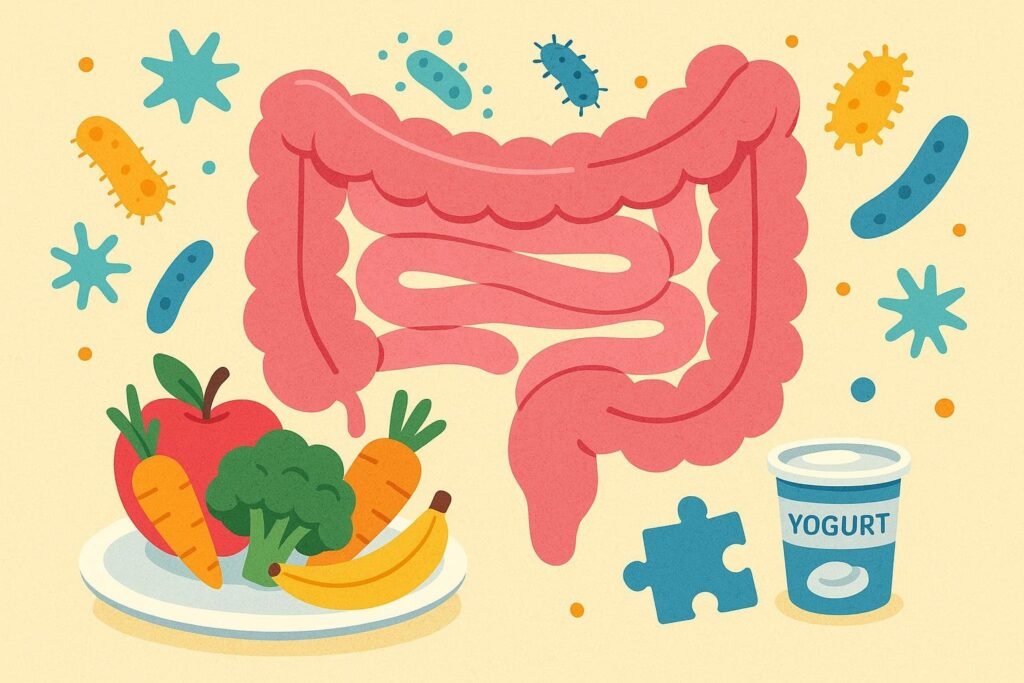
Your gut is home to roughly 38 trillion microorganisms, and they’re not just sitting there digesting lunch. That teeming community influences your immune system, your mood, your weight, and even how well you sleep. So when people ask what foods are good for gut health, they’re really asking how to feed an entire inner ecosystem — and the answer is more delicious than you’d expect. I’ve overhauled my own eating with gut health in mind over the past two years, and the difference in my digestion and energy was hard to argue with.
What Foods Are Good for Gut Health?
Gut-friendly eating comes down to two categories: probiotics (live beneficial bacteria) and prebiotics (the fiber that feeds them). You need both — probiotics without prebiotics are like planting seeds in barren soil. Here’s what to actually put on your plate:
- Yogurt and kefir. The easiest probiotic sources in the grocery store. Look for “live and active cultures” on the label and go easy on the sugar-loaded dessert varieties — plain with fresh fruit is the move. Kefir packs even more bacterial strains than yogurt.
- Fermented vegetables. Sauerkraut, kimchi, and traditionally fermented pickles deliver diverse probiotic strains along with fiber. Start with small servings if you’re new to them; your gut needs time to adjust to the reinforcements.
- Fiber-rich plants. Beans, lentils, oats, berries, artichokes, and leafy greens feed beneficial bacteria the prebiotic fiber they thrive on. Most Americans get barely half the recommended fiber — closing that gap is the single highest-impact gut move most people can make.
- Garlic, onions, and leeks. Prebiotic all-stars that also happen to make everything taste better. A genuine two-for-one.
- Fatty fish and olive oil. Omega-3s and polyphenols calm gut inflammation. The Mediterranean pattern of eating keeps showing up in gut research for good reason.
- Bone broth and collagen-rich foods. The evidence here is softer, but many people report easier digestion — and it’s a comforting, low-risk addition.
The Healthline guide to improving gut bacteria digs deeper into the science if you want the full picture.
Foods That Quietly Wreck Your Gut
Just as important as what you add is what you ease off. Ultra-processed foods — the ones with ingredient lists that read like chemistry experiments — are consistently linked to reduced microbial diversity. Artificial sweeteners are sneakier than people realize: several studies show they can alter gut bacteria in ways that actually worsen glucose tolerance, which is the opposite of what diet-soda drinkers are going for. Excessive alcohol irritates the gut lining directly. And while nobody needs to fear all sugar, a diet dominated by added sugars feeds the less desirable microbes at the expense of the helpful ones.
I’m not preaching perfection — I still eat pizza. The goal is a pattern, not purity. If 80% of your eating supports your gut, the occasional indulgence is just life. People dealing with constant discomfort should also look at how to reduce bloating after meals, since persistent bloating often signals that something in the current pattern needs adjusting.
The 30-Plants-a-Week Challenge
One of the most practical findings in recent gut research: people who eat 30 different plant foods per week have significantly more diverse gut microbiomes than those eating fewer than 10. Note that it says different plants — variety matters more than volume. Nuts, seeds, herbs, spices, fruits, vegetables, legumes, and whole grains all count. I started counting and was shocked how fast it adds up once you sprinkle seeds on breakfast, add an extra vegetable to dinner, and keep mixed nuts around. It’s a game, not a chore — and it naturally crowds out the processed stuff. Eating this way doesn’t have to be expensive either; saving money on groceries each month pairs surprisingly well with a plant-diverse diet when you lean on beans, lentils, oats, and frozen produce.
Gut Health and Everything Else
The gut-brain axis is real, not wellness hype. About 95% of your serotonin is produced in the gut, and researchers keep finding links between microbial diversity and mood, anxiety, and cognitive function. Your immune system is headquartered there too — roughly 70% of immune tissue sits in the gut. That means the yogurt and lentils aren’t just about comfortable digestion; they’re foundational to how you feel overall. Even nutrient absorption ties in: signs of vitamin D deficiency, for instance, can sometimes trace back to a gut that isn’t absorbing properly.
Give dietary changes at least three to four weeks before judging results. Your microbiome shifts measurably within days of a diet change, but meaningful, stable improvement takes consistent feeding of the good guys. Track how you feel — energy, digestion, mood, sleep — rather than expecting a single dramatic moment.
Probiotic Supplements: Worth It or Hype?
Walk down any pharmacy aisle and you’ll see probiotic capsules promising everything short of enlightenment. The honest answer: they can help in specific situations, but food sources usually win for daily maintenance. The evidence is strongest for probiotics during and after antibiotics (replenishing what the drugs wiped out), for certain types of diarrhea, and for some IBS symptoms. For general “gut health” in an otherwise healthy person eating decently, the research is mixed — and quality control in the supplement industry is genuinely spotty, with independent testing repeatedly finding products that don’t contain the strains or counts on the label.
If you do try one, look for third-party testing seals (USP, NSF), specific named strains (not just “probiotic blend”), and CFU counts in the billions. Take it consistently for at least a month before judging. But manage expectations: no capsule compensates for a fiber-free diet. The Cleveland Clinic’s probiotics overview is refreshingly honest about where the evidence is solid and where it’s still thin. My take after reading the research: spend the supplement money on better groceries first.
The Practical Takeaway
Start with three moves this week: swap in a daily serving of yogurt or kefir, add one extra vegetable to dinner, and count your plant variety with the 30-a-week goal in mind. Cut back on ultra-processed foods and artificial sweeteners where you painlessly can. Your gut responds faster than you’d think to consistent, simple changes — and everything downstream, from immunity to mood, rides along. Feed the trillions, and they’ll take care of you.







1 thought on “The Best Foods for Gut Health, According to Science”