
Cold vs. Flu: How to Tell Which One You Have
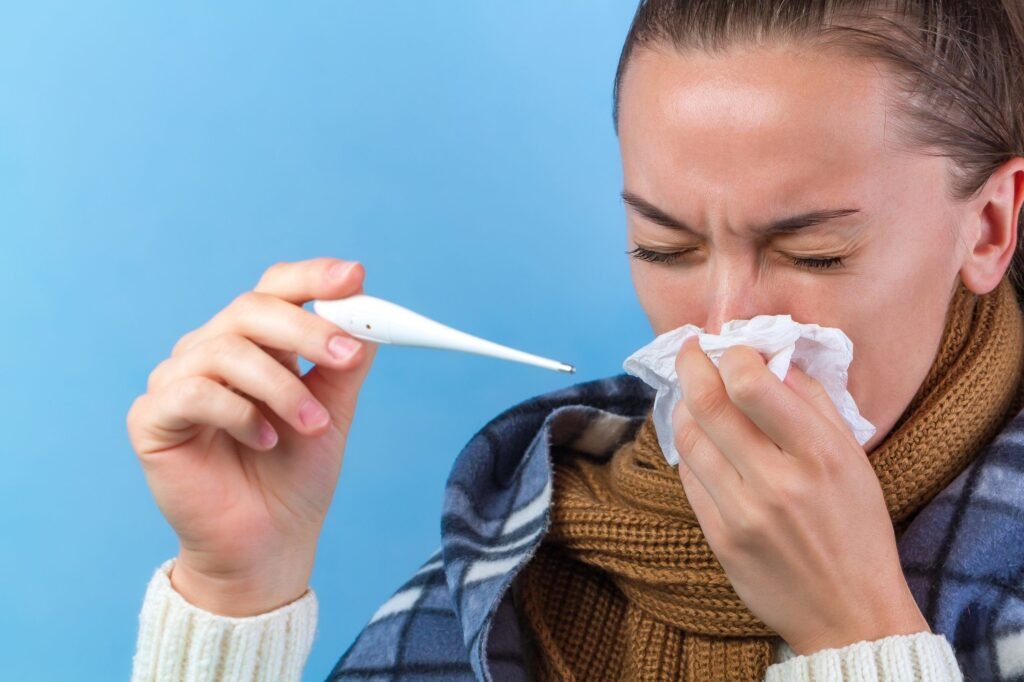
Your nose is running, your throat is scratchy, and you feel terrible. Is it a cold? The flu? Does it even matter? Actually, yes — it matters quite a bit. Colds and flu are caused by different viruses, carry different risks, and respond to different treatments. If you’re trying to figure out what is the difference between a cold and the flu, this is one of those pieces of knowledge that pays off every winter. Get it right and you’ll treat yourself properly, protect the people around you, and know when to actually worry.
What Is the Difference Between a Cold and the Flu?
The simplest distinction: colds creep, flu strikes. A cold builds gradually over a day or two — a scratchy throat, then sniffles, then congestion. The flu hits like a truck: you feel fine at lunch and flattened by dinner. That speed of onset is one of the most reliable differentiators doctors use.
Here’s the side-by-side breakdown:
- Fever: rare and low with colds (if present at all); common with flu, often 100–102°F or higher, lasting 3–4 days.
- Body aches: mild or absent with colds; often severe with flu — the “hit by a bus” muscle pain is classic influenza.
- Fatigue and weakness: mild with colds; can be intense and prolonged with flu, sometimes lasting 2–3 weeks.
- Headache: uncommon with colds; common with flu.
- Sneezing, stuffy/runny nose, sore throat: the hallmark symptoms of colds; present but usually less prominent with flu.
- Cough: mild to moderate with colds; often dry, hacking, and severe with flu — and it can linger for weeks.
- Complications: colds rarely cause serious problems (though they can trigger ear or sinus infections); flu can lead to pneumonia, hospitalization, and worse — especially for the elderly, young children, pregnant women, and people with chronic conditions.
The CDC’s cold vs. flu comparison lays this out in a handy reference table worth bookmarking for winter.
Why the Distinction Changes Your Treatment
For colds, treatment is purely symptomatic: rest, fluids, honey for cough (for anyone over age one), saline nasal spray, and patience. Antibiotics do nothing — colds are viral, and demanding antibiotics for one contributes to resistance without helping you at all. Most colds resolve in 7–10 days, though the cough can hang on for two weeks.
Flu is a different animal. Prescription antivirals like oseltamivir (Tamiflu) can shorten flu duration and reduce complications — but they work best within 48 hours of symptom onset, which is exactly why recognizing flu early matters. If you wake up with sudden fever, body aches, and exhaustion during flu season, call your doctor that day rather than waiting to see if it passes. High-risk individuals should be especially prompt. The Mayo Clinic’s flu guide details when antivirals are appropriate.
Prevention: Where Flu Wins Decisively
There’s no vaccine for the common cold (too many viruses, mutating too fast). But there is one for flu, and it remains the single best preventive measure — reducing illness, doctor visits, and hospitalizations substantially even in years when the match is imperfect. Beyond vaccination, the fundamentals protect against both: hand washing (20 seconds, actually 20 seconds), not touching your face, disinfecting high-touch surfaces, and staying home when sick. Supporting your immune system during flu season with sleep, nutrition, and stress management adds another layer of defense. And hydration helps your mucous membranes do their job — drinking enough water daily is quietly one of the better cold-prevention habits.
When to Call the Doctor
For colds, seek care if symptoms last more than 10 days without improving, if you develop a high fever, severe sinus pain, or shortness of breath — these suggest a secondary bacterial infection that might need treatment. If you’re dealing with a persistent cough specifically, here’s how to know when a cough needs a doctor.
For flu, get prompt medical attention if you have difficulty breathing, chest pain, persistent dizziness, severe weakness, dehydration, or fever that improves then returns worse (a classic sign of secondary infection). Emergency warning signs in children include fast breathing, bluish skin, not waking up or interacting, and fever with a rash. Don’t tough out these red flags — flu complications escalate fast.
Caring for Sick Kids (and When They Need a Doctor)
Children catch 6–10 colds a year — it’s how immune systems learn — but flu hits kids harder than adults. For colds: saline drops, humid air, honey for cough (over age one only — never honey for infants), fluids, and patience. For flu in children: call the pediatrician promptly about antivirals, watch for dehydration (fewer wet diapers, no tears when crying), and know the emergency signs — fast or troubled breathing, bluish lips, not waking or interacting, extreme irritability, or fever with a rash. Kids bounce back fast with the right care, but they also deteriorate fast — err on the side of calling. And keep them home until fever-free for 24 hours without medication; the classroom will survive without them, and everyone else’s kids will thank you.
Flu Season Survival Kit
Assemble this before winter hits: a thermometer (know your baseline — “fever” means 100.4°F+), OTC basics (acetaminophen or ibuprofen, decongestant, cough suppressant, throat lozenges), hydration supplies (electrolyte drinks, herbal tea, honey), a humidifier (cleaned and ready), and your doctor’s contact info saved in your phone (for the antiviral-timing question). Workplace prep: know your sick-leave policy before you’re sick, and have a coverage plan — the “I can’t miss work” pressure is how flu spreads through offices. Household plan: designate the sick room, stock easy foods, and agree on isolation rules in advance. Preparation turns flu season from a crisis into an inconvenience — and the kit costs less than one urgent-care visit.
The Practical Takeaway
Gradual sniffles and sneezes? Almost certainly a cold — rest, fluids, and ride it out. Sudden fever, body aches, and feeling flattened? Treat it as flu until proven otherwise, and call your doctor promptly about antivirals. Either way, stay home, hydrate, and don’t share it. Knowing the difference doesn’t just help you recover faster — during flu season, it might genuinely matter for someone vulnerable around you. Get the flu shot; it’s the closest thing to a free pass winter offers.






