
How to Cut Sugar Without Feeling Deprived
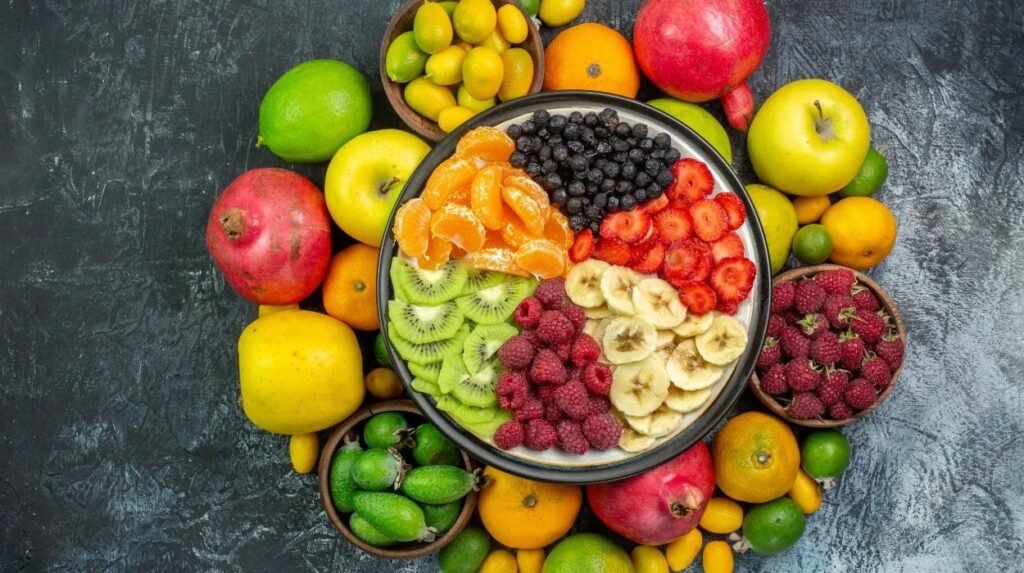
The average American eats about 17 teaspoons of added sugar a day — more than double what health organizations recommend. And most of us aren’t doing it gleefully; the sugar is hiding in bread, sauces, yogurt, and “healthy” granola bars. If you’re wondering how can I reduce my sugar intake without feeling deprived, you’ve identified the real challenge. Anyone can white-knuckle through a week of no sugar. The trick is cutting back in a way that doesn’t make you miserable, because miserable doesn’t last. I’ve done this reset twice, and the sustainable version looks very different from the suffering version.
How to Reduce Your Sugar Intake Without Feeling Deprived
The core insight: deprivation fails because it frames sugar as forbidden treasure, which makes your brain want it more. The sustainable approach is crowding out and upgrading rather than banning. You don’t announce “no more sugar ever” — you systematically make the sugary choice slightly less convenient and the better choice slightly more appealing, until your palate recalibrates. And it will recalibrate: within two to three weeks of reduced sugar, foods you used to find bland start tasting sweet. Your taste buds literally adapt.
Start with the biggest lever, which for most people is liquid sugar. Soda, sweetened coffee drinks, energy drinks, and juice deliver massive sugar with zero satiety — your body barely registers the calories. Swapping to sparkling water with lemon, unsweetened iced tea, or black coffee with a splash of milk cuts more sugar than any other single change. If you drink two sodas a day, that’s potentially 40+ grams of sugar eliminated without touching your food at all. The American Heart Association’s guide to added sugars sets the targets: under 25 grams daily for women, 36 for men — most of us blow past that before lunch.
The Practical Swaps That Don’t Feel Like Sacrifice
- Breakfast: trade frosted cereal or pastries for oatmeal topped with berries and nuts, or Greek yogurt (plain) with fruit. You get sweetness from actual fruit plus protein that keeps you full.
- Snacks: keep the sweet-but-better options visible — apples with peanut butter, dark chocolate (70%+), frozen grapes, trail mix. Out of sight, out of mind works in reverse too.
- Dessert: shrink portions instead of eliminating. Three squares of good dark chocolate satisfy more than a whole milk-chocolate bar precisely because they’re richer. Or try the “fruit first” rule: have berries or a baked apple, then decide if you still want the cookie. Half the time you won’t.
- Cooking: cut the sugar in recipes by a third — baked goods almost never suffer. Use cinnamon, vanilla, and nutmeg to create the perception of sweetness without sugar. Tomato sauces, dressings, and marinades often hide tablespoons of sugar you can halve unnoticed.
- Drinks: if plain water bores you, infuse it — cucumber-mint, strawberry-basil, citrus. It feels like a treat and costs almost nothing.
Read Labels Like a Detective
Sugar hides under 60+ names: sucrose, high-fructose corn syrup, dextrose, maltose, cane juice, agave nectar, “natural flavors” adjacent syrups. The “added sugars” line on nutrition labels (now required in the US) is your shortcut — check grams per serving and, critically, servings per container. That innocent-looking bottle with “12g added sugar” might contain 2.5 servings. The worst offenders surprise people: flavored yogurt (up to 25g), pasta sauce (up to 12g per half-cup), granola bars (up to 15g), and bread (up to 5g per slice). You don’t need to memorize everything — just start checking the five foods you eat most often.
Handle the Cravings, Don’t Just Fight Them
Cravings peak around days 3–5 of cutting back and then fade — knowing this makes them survivable. When one hits: drink a big glass of water first (thirst mimics cravings), eat something with protein or fat (an apple with peanut butter kills most cravings in 15 minutes), go for a short walk (movement measurably reduces craving intensity), or brush your teeth (the mint signal tells your brain eating time is over). Sleep matters enormously here — short sleep spikes ghrelin, the hunger hormone, and specifically increases cravings for sugary, high-carb foods. The Healthline guide to eating less sugar has more tactics if you want a deeper toolkit.
Upgrade Your Environment
Willpower is unreliable; environments are forever. The people who successfully cut sugar mostly just rearranged their surroundings: sugary snacks out of the house (or at least out of sight), healthy options at eye level, a fruit bowl on the counter. You can’t eat what’s not there at 10 p.m. This pairs naturally with eating healthy on a tight budget — whole foods are cheaper than processed sweets anyway. And if energy slumps have you reaching for sugar, check whether brain fog from poor sleep or stress is the real driver — sugar is often self-medication for exhaustion.
Retrain Your Sweet Tooth (It Takes 3 Weeks)
Here’s the encouraging science: taste buds regenerate roughly every two weeks, and your perception of sweetness recalibrates with them. That means the first two weeks of cutting back are the hardest — foods taste bland, cravings shout — and then, almost suddenly, things shift. Fruit starts tasting candy-sweet. Your old sugary snacks taste cloying, almost chemical. I’ve watched this happen twice in my own resets: around day 14–18, the fog lifts and the new normal clicks in. Knowing there’s a finish line to the hard part makes it bearable. Mark day 21 on your calendar as the day your palate officially works for you instead of against you — and plan a non-food reward for getting there.
Sugar and Kids: Setting Up the Next Generation
If you have kids, your sugar reset does double duty — children model their eating on yours. The strategies that work for families: don’t ban, crowd out — keep fruit visible and accessible, treats occasional and unremarkable. Read labels together — turn it into a game (“how many teaspoons in this?”) that builds lifelong skills. Don’t use sweets as rewards or punishments — it moralizes food and creates the forbidden-fruit effect. Cook together — kids who make food eat more adventurously. And model, don’t lecture — the parent reaching for fruit instead of cookies teaches more than any speech. You’re not just resetting your palate; you’re setting their baseline. That’s the highest-leverage sugar work there is.
The Practical Takeaway
Pick ONE change this week — kill the liquid sugar, or fix breakfast, or clear the pantry. Master it, then add the next. Within a month your palate will have shifted, your energy will be steadier, and the foods that used to control you will have lost their grip. You’re not giving up sweetness; you’re reclaiming your taste buds from an industry that hijacked them. That’s not deprivation — that’s freedom.






