
The Best Foods for Healthy, Glowing Skin
You can spend a fortune on serums and still have dull, tired-looking skin if your diet is working against you. The skin is your largest organ, and like every organ, it’s built from what you eat. When people ask what are the best foods for healthy skin, they’re usually hoping for a magic berry — but the real answer is a pattern of eating that calms inflammation, protects collagen, and keeps skin hydrated from the inside. I’ve seen my own skin change more from dietary tweaks than from any product, and the science backs that up.
What Are the Best Foods for Healthy Skin?
Healthy skin runs on a few key nutrients: antioxidants (which fight the free-radical damage behind wrinkles and spots), healthy fats (which maintain the skin barrier that keeps moisture in), vitamin C (essential for collagen production), zinc (for repair and oil regulation), and water (obvious but chronically neglected). The foods that deliver them:
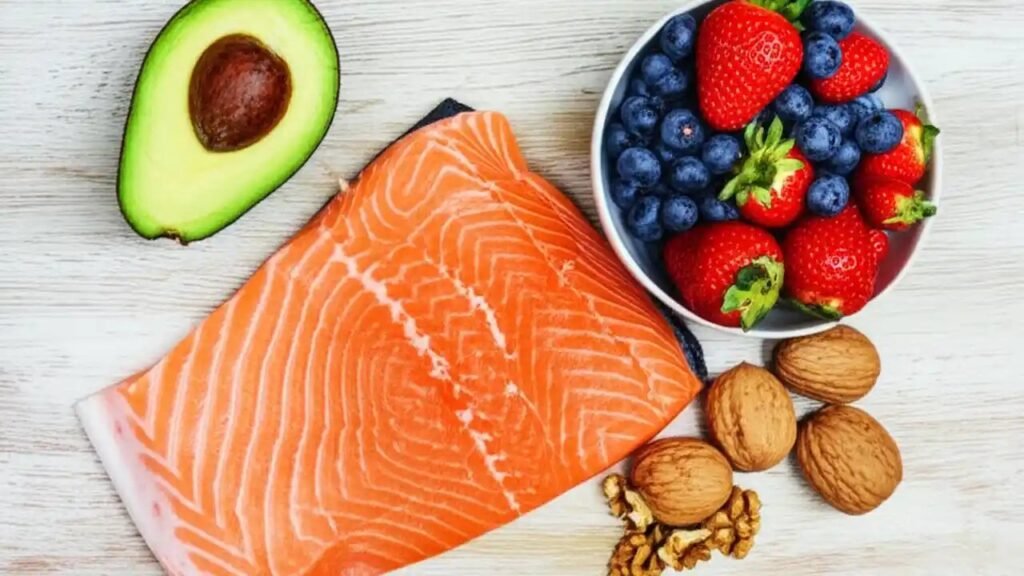
- Fatty fish. Salmon, mackerel, and sardines deliver omega-3s that keep skin supple, reduce inflammation, and may protect against UV damage from within. Two to three servings a week is the target.
- Avocados. Rich in healthy monounsaturated fats plus vitamins E and C — essentially a skin-barrier support package. The fats help your skin stay flexible and moisturized.
- Berries and colorful fruits. Blueberries, strawberries, oranges, and kiwi pack vitamin C and anthocyanins. Vitamin C is literally required for your body to manufacture collagen.
- Nuts and seeds. Walnuts bring omega-3s and zinc; sunflower seeds are loaded with vitamin E, one of the skin’s most important antioxidant defenders. A small handful daily covers it.
- Sweet potatoes and carrots. Beta-carotene converts to vitamin A, which protects against sun damage and keeps skin cells turning over properly. Fun fact: enough beta-carotene can give skin a subtle healthy glow.
- Leafy greens and broccoli. Spinach, kale, and broccoli supply vitamins A, C, and K plus lutein — a whole team of skin-supporting compounds in very few calories.
- Green tea. Catechins in green tea improve skin elasticity and protect against sun damage in multiple studies. An easy daily habit with real payoff.
- Water-rich foods. Cucumbers, watermelon, celery, and oranges contribute to hydration. They don’t replace drinking water, but they help — and staying properly hydrated shows on your face faster than almost anything else.
The American Academy of Dermatology’s skin nutrition tips align with this food-first approach.
What to Ease Off (Your Skin Will Notice)
High-glycemic foods — white bread, sugary cereals, soda, candy — spike blood sugar and insulin, which ramps up oil production and inflammation. Multiple studies link high-glycemic diets to worse acne. Dairy is a trigger for some people (not everyone — it’s individual). Excessive alcohol dehydrates and dilates blood vessels, showing up as puffiness and redness. And ultra-processed foods high in refined seed oils and additives promote the systemic inflammation that ages skin from within.
I’m not suggesting monk-like purity. The 80/20 approach works for skin just like everything else: if most of your eating supports your skin, the occasional pizza night won’t undo it. But if breakouts reliably follow sugar binges, that’s data worth respecting.
The Gut-Skin Connection Is Real
Here’s something the skincare industry doesn’t advertise: your gut and skin are in constant communication. Inflammatory gut issues frequently show up as skin issues — eczema, rosacea, and acne all have documented gut links. That means eating for gut health doubles as eating for skin health: the fiber, fermented foods, and diverse plants that feed good gut bacteria also calm the inflammation behind problem skin. Probiotic-rich yogurt and kefir earn their place in a skin diet through this pathway.
The Inside-Out Routine
Think of skin care in layers. The outer layer — gentle cleansing, moisturizer, daily SPF — matters enormously (nothing ages skin like unprotected sun; sunburn recovery is damage control, not prevention). But the inner layer — the food, water, sleep, and stress management — determines what the outer layer has to work with. People who nail the inner layer often find they need far fewer products. Sleep deserves emphasis: growth hormone released during deep sleep drives nightly skin repair, which is why “beauty sleep” is physiology, not poetry.
Supplements? Collagen powders have modest evidence — some studies show improved elasticity and hydration, though the effect sizes are small and product quality varies. Vitamin C and E supplements only help if you’re deficient. My honest take: spend on better groceries before pills. The Healthline roundup of skin-friendly foods is a good reference for building your shopping list.
Your Skin-Friendly Day of Eating
Here’s what the principles look like in practice. Breakfast: Greek yogurt topped with berries, walnuts, and a drizzle of honey — probiotics, vitamin C, omega-3s, and zinc in one bowl. Lunch: big salad with salmon or sardines, avocado, colorful vegetables, and olive oil dressing — essentially a skin-support formula disguised as lunch. Snack: a handful of sunflower seeds and an orange, or green tea with a square of dark chocolate (flavanols plus a mood lift). Dinner: sweet potato, broccoli, and chicken or lentils with garlic and olive oil — beta-carotene, vitamin C, and protein. It’s not a “skin diet” — it’s just good eating that happens to show on your face. Drink water through the day; herbal tea counts.
Skin Enemies Hiding in Your Routine
Food isn’t the only thing affecting your skin — check these saboteurs. Not removing makeup before bed: the cardinal sin; sleeping in makeup clogs pores and accelerates aging. Dirty phone screens: pressed against your cheek daily, transferring bacteria — wipe it down regularly. Skipping sunscreen: UV damage causes up to 80% of visible skin aging; no diet outruns unprotected sun. Over-exfoliating: more is not better — damaged barriers cause breakouts and sensitivity. Pillowcases: change them twice a week; they accumulate oil and bacteria. Touching your face: hands transfer grime all day. The diet gives your skin the building blocks; these habits determine whether the construction site stays clean. Both matter — the inside-out approach only works when the outside isn’t working against it.
The Practical Takeaway
This week, add three things: a daily serving of berries or citrus, a handful of nuts or seeds, and fatty fish twice. Drink your water. Cut back on the sugary drinks and see what happens over a month — take a photo now for comparison. Good skin isn’t bought in a bottle; it’s built in the kitchen, one meal at a time. Your future face will thank you.






