
Natural Ways to Lower Your Stress Levels That Actually Work
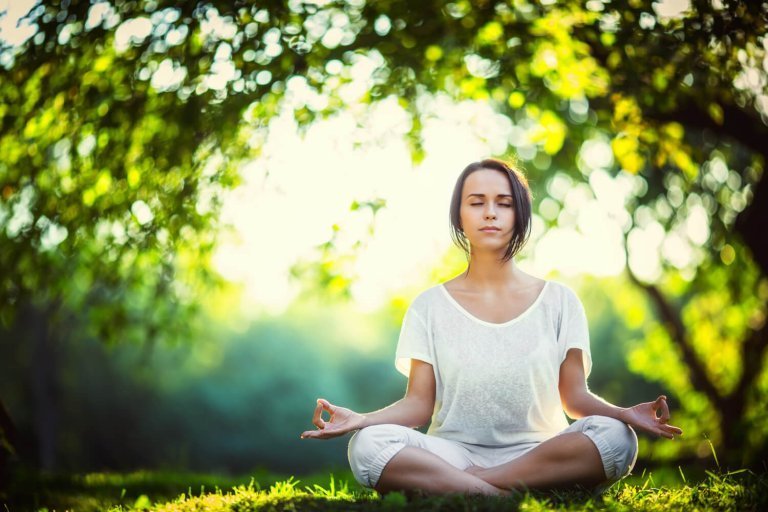
Your shoulders are up around your ears, your jaw is clenched, and you haven’t taken a real breath since Tuesday. Sound familiar? If you’re asking how can I lower my stress levels naturally, you’ve probably noticed that stress isn’t just a feeling anymore — it’s showing up in your body as headaches, gut trouble, lousy sleep, and a fuse that’s about half an inch long. The good news is that your nervous system has a built-in off switch. You just have to learn where it is.
How to Lower Your Stress Levels Naturally
Chronic stress keeps your body stuck in fight-or-flight mode, flooding you with cortisol and adrenaline long after any real threat is gone. Over time, that chemical bath raises blood pressure, weakens immunity, disrupts sleep, and messes with digestion. The American Psychological Association’s research on how stress affects the body reads like a warning label — because it is one.
The most powerful natural lever you have is your breath. Slow, extended exhales directly stimulate the vagus nerve, which tells your nervous system the emergency is over. Try the physiological sigh: two quick inhales through the nose followed by one long exhale through the mouth. Do it three times. Researchers at Stanford found this pattern outperformed meditation for real-time stress reduction in a head-to-head trial. It takes about sixty seconds, you can do it in a meeting without anyone noticing, and the effect is almost immediate.
Movement: The Fastest Legal Stress Drug
If breathing is the off switch, movement is the pressure valve. Exercise burns off the stress hormones circulating in your bloodstream and triggers endorphins that genuinely improve mood. You don’t need a brutal workout — a brisk 20-minute walk works remarkably well, and there’s a reason therapists prescribe it. The bilateral rhythm of walking seems to help the brain process anxious thoughts, which is why your best ideas (and your calmest moods) show up mid-stroll.
What matters most is consistency over intensity:
- Walk daily, especially in nature. Studies show even 20 minutes in a green space drops cortisol measurably. A park beats a treadmill for stress relief.
- Try yoga or tai chi twice a week. The combination of movement, breath control, and mindfulness hits stress from three angles at once.
- Lift something heavy. Strength training gives your nervous system a clear “threat handled” signal and builds the kind of tired that sleeps well.
- Stretch the stress out. Trauma and tension live in the hips, shoulders, and jaw. Five minutes of targeted stretching before bed unwinds the day physically.
On the days you can’t move much, these ways to relax after a stressful day offer lower-effort alternatives that still shift your nervous system out of overdrive.
Sleep, Food, and the Stress Spiral
Here’s the cruel joke about stress: it ruins your sleep, and bad sleep makes you dramatically worse at handling stress. Cortisol is supposed to drop at night; when it doesn’t, you get the 3 a.m. wake-up with racing thoughts. Breaking this cycle is priority one. That means a real wind-down routine — screens off, lights low, same bedtime — not just collapsing into bed exhausted. If falling asleep is the hard part, these techniques for falling asleep faster without medication are worth trying before anything stronger.
Food plays a quieter but real role. Caffeine and alcohol are the two biggest dietary stress amplifiers most people overlook. Caffeine mimics the physical sensations of anxiety — racing heart, jitteriness — which your brain happily interprets as actual danger. Alcohol feels relaxing for an hour, then fragments your sleep and spikes next-day anxiety. I’m not saying give up coffee forever, but if you’re highly stressed, cutting back to one morning cup is one of the highest-leverage changes you can make. Magnesium-rich foods (leafy greens, nuts, dark chocolate) and omega-3s have modest but real evidence for calming the stress response.
Know When It’s More Than Stress
Natural techniques handle everyday stress beautifully, but they’re not a substitute for professional help when you need it. If you’re experiencing persistent dread, panic attacks, or a sense that you can’t cope most days, you may be dealing with an anxiety disorder rather than ordinary stress. Reading about how to tell anxiety apart from just stress can help you decide whether it’s time to talk to someone. There’s zero shame in it — therapy is a tool, not a verdict.
Build Your Personal Decompression Routine
The people who handle stress well aren’t tougher than you — they just have better recovery habits. Pick three small practices and anchor them to your existing day: a breathing drill before your morning coffee, a walk after lunch, a ten-minute wind-down before bed. Small, attached to something you already do, repeated daily. That’s the whole formula. HelpGuide’s stress management techniques offer more options if you want to experiment and find your personal mix.
The 5-Minute Emergency Calm-Down
Sometimes you don’t need a lifestyle overhaul — you need to not lose it in the next five minutes. For acute stress spikes (the awful email, the traffic jam making you late, the argument still looping in your head), try this sequence: first, the physiological sighs — three rounds, about a minute. Then cold water on your face or holding something cold against your cheeks for 30 seconds; this triggers the dive reflex, which forcibly slows your heart rate. It sounds strange, but it’s one of the fastest physiological calm-downs known. Finally, name what you’re feeling out loud or in writing: “I’m angry because…” Labeling emotions reduces amygdala activity measurably — psychologists call it “name it to tame it,” and brain imaging backs it up.
What doesn’t work in the moment: doomscrolling (it feeds the stress loop), venting without limit (rehearsing grievances keeps cortisol flowing), and reaching for sugar or alcohol (both borrow calm from tomorrow). The emergency sequence isn’t about solving the problem — it’s about getting your nervous system back to a state where you can solve the problem. Big difference.
The Practical Takeaway
Start tonight: do three physiological sighs, put the phone down thirty minutes before bed, and take a walk tomorrow. That tiny stack — breath, sleep boundary, movement — covers the three biggest natural levers against stress. Add from there based on what your life actually needs. You can’t eliminate stress, and you shouldn’t try; you just need a reliable way to come back down. Build the off-ramp before you need it, and the stressful seasons get a whole lot more survivable.







1 thought on “Natural Ways to Lower Your Stress Levels That Actually Work”