
How Can AI Help Me Plan My Weekly Meals
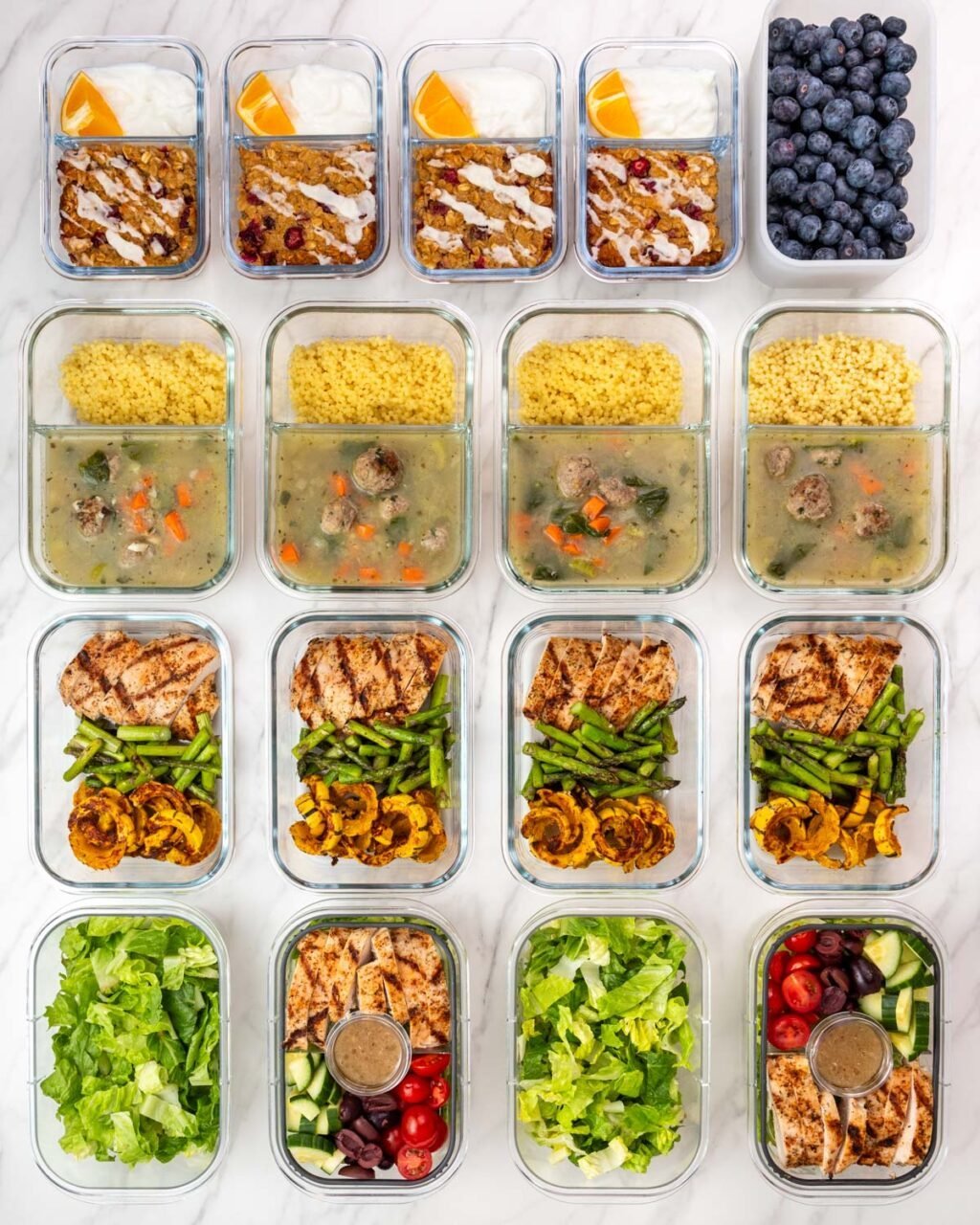
It is 6 PM on Sunday. You are staring into the fridge, the week ahead looks chaotic, and the thought of planning seven days of meals feels overwhelming. Here is some good news: AI is weirdly excellent at this. If you are wondering how can AI help me plan my weekly meals, the answer is that it can take the most tedious parts of meal planning — the deciding, the list-making, the nutrition math — and handle them in about two minutes.
Let me show you exactly how to do it, with prompts you can copy and use tonight.
How Can AI Help Me Plan My Weekly Meals? The Core Workflow
The basic process is simple, and it works with any major AI chatbot:
- State your constraints: dietary needs, budget, cooking skill, time available, family size, and foods you hate
- Ask for the plan: seven days of breakfasts, lunches, and dinners (or just dinners — whatever you need)
- Ask for the grocery list: organized by store section, with quantities
- Ask for the prep schedule: what to cook or prep on Sunday to make weeknights easy
- Refine: swap the meals you do not like, adjust portions, regenerate the list
Here is a copy-paste prompt to start with: “Create a 7-day dinner plan for a family of 4. Budget $120 for the week. Two vegetarians, no nuts (allergy). 30 minutes max cooking on weeknights. Include a grocery list organized by store section and a Sunday prep list.”
What AI Does Brilliantly for Meal Planning
- Working with what you have: list the ingredients in your fridge and ask “what can I make with these?” — genuinely useful for reducing food waste
- Meeting nutritional targets: ask for high-protein, low-carb, or specific calorie ranges and it will build the plan around them
- Scaling recipes: instantly adjust any recipe for 2 people or 12
- Substitutions: “I don’t have buttermilk” gets you five alternatives in seconds
- Variety without repetition: ask it to avoid repeating proteins or cuisines across the week
- Seasonal and budget cooking: ask for meals built around what’s cheap and in season right now
Step-by-Step: Your First AI Meal Plan Tonight
Step 1: Open your AI chatbot of choice. Step 2: Describe your household and constraints in two or three sentences. Step 3: Ask for the 7-day plan with recipes. Step 4: Review and swap anything unappealing — be specific about what to change. Step 5: Ask for the consolidated grocery list. Step 6: Ask for a Sunday prep timeline. Total time: about 15 minutes for a full week of planned meals.
If you are learning to cook alongside the planning, my guide on using AI to learn cooking step by step pairs perfectly with this — plan the meals here, master the techniques there.
The Limitations (Be Aware)
- Verify nutrition claims: AI can be confidently wrong about calorie counts and nutritional content — cross-check anything medically important
- Check cooking times and temperatures: especially for meat; use a food thermometer regardless of what the AI says
- Allergy safety: AI is a planning aid, not a medical device — always read actual ingredient labels
- Taste is subjective: the AI does not know your family’s preferences until you tell it; the first plan is a draft, not a decree
- Local prices vary: budget estimates are rough — adjust for your actual grocery costs
Leveling Up: Beyond the Basics
Once the weekly plan is working, try: monthly meal rotations to reduce decision fatigue further, batch-cooking plans optimized for freezer storage, themed weeks (Mediterranean week, slow-cooker week) for variety, and kid-friendly involvement — have children pick between two AI-generated options to reduce mealtime battles. Some families even have the AI generate the plan based on weekly grocery store sales flyers, which is genuinely clever budgeting.
The USDA’s MyPlate guidelines are a solid reference for making sure your AI-generated plans hit real nutritional targets.
AI Meal Planning for Special Diets
Generic meal plans are easy; constrained ones are where AI truly shines. Here is how to prompt for specific needs:
- Diabetes-friendly: “Create a 7-day meal plan focused on low-glycemic foods, under 45g carbs per meal, high fiber. Include carb counts per meal.” Then verify counts against reliable nutrition databases — AI estimates need checking for medical management.
- High-protein for fitness: “7-day plan, 150g+ protein daily, 2,200 calories, minimal cooking time. Include protein grams per meal.” AI is excellent at hitting macro targets across varied meals.
- Picky kids: “My 6-year-old only eats beige foods. Create a week of dinners that sneak in vegetables without triggering refusal, plus one ‘adventure bite’ per meal to expand her palate gradually.” Surprisingly effective — AI knows every parent trick.
- Two diets, one kitchen: “Cook for a vegetarian and a meat-eater without making two full meals. Design dinners with a shared base plus a protein add-on.” The modular approach saves sanity.
- Budget-strict: “Feed a family of 4 for $80/week. Base meals on rice, beans, eggs, seasonal produce, and one bulk meat purchase. Include the shopping list with estimated prices.” AI’s ability to optimize across constraints is genuinely impressive here.
- Medical restrictions: for kidney disease, severe allergies, or other serious conditions — use AI for ideas, but run the plan past your doctor or dietitian. AI is a brainstorming partner, not a medical professional.
The pattern: the more specific your constraints, the more valuable AI becomes — because constrained meal planning is exactly the kind of complex optimization humans find exhausting and AI finds trivial. State every constraint upfront, and the first draft will be closer to usable.
Key Takeaways
AI turns Sunday meal-planning dread into a 15-minute task. State your constraints clearly, get a plan with recipes and a grocery list, refine it, and shop with confidence.
- The workflow: constraints in, 7-day plan out, then grocery list by store section, then a Sunday prep timeline — refine over two or three rounds.
- AI shines with constraints: use-what-you-have cooking, macro targets, scaling, substitutions, and budget optimization.
- Verify nutrition claims, cooking temperatures, and allergen safety independently — AI is a planning aid, not a medical device.
- The more specific your constraints (diabetes-friendly, picky kids, two diets one kitchen), the more valuable AI becomes.
Related reading: If you are learning to cook alongside the planning, see how AI can help you learn cooking step by step — plan the meals here, master the techniques there.
The Bottom Line
AI turns the Sunday meal-planning dread into a 15-minute task: describe your constraints, get a plan with recipes and a grocery list, refine it, and shop. It will not cook for you (yet), but it eliminates the hardest part — deciding what to make. Try it tonight; your future self, standing calmly in the grocery store with an actual list, will thank you.







1 thought on “How Can AI Help Me Plan My Weekly Meals”