
Migraine vs. Headache: How to Tell the Difference
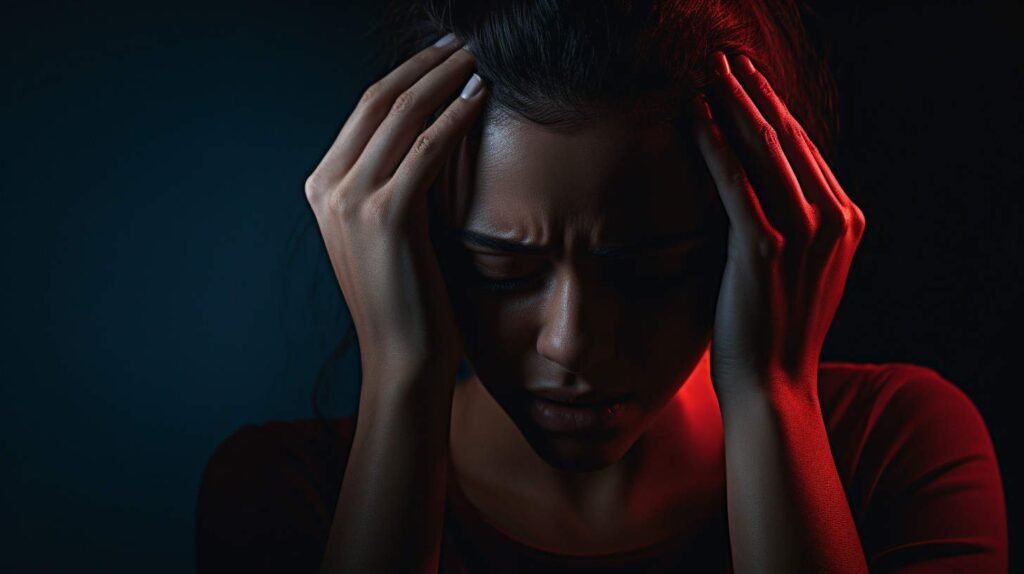
It’s pounding on one side of your head. Light feels like an assault. You’re nauseous and the thought of your normal headache pills feels laughably inadequate. Or maybe it’s just a really bad headache and you’re overthinking it. Figuring out how do I know if my headache is a migraine matters because migraines and regular headaches respond to different treatments — and treating a migraine like a tension headache is why so many people suffer through episodes that could have been shortened or stopped.
How Do I Know If My Headache Is a Migraine?
Migraines have a signature pattern. The classic migraine is a moderate to severe throbbing or pulsing pain, usually on one side of the head, that gets worse with physical activity. But the pain is only part of the story — it’s the entourage of symptoms that gives migraines away:
- Sensitivity to light, sound, or smells. If you’re retreating to a dark, quiet room, that’s a strong migraine signal. Ordinary tension headaches rarely cause this.
- Nausea or vomiting. A headache that makes your stomach turn is very often a migraine. Tension headaches almost never cause nausea.
- Aura. About a quarter of migraine sufferers get visual disturbances before the pain — flashing lights, zigzag lines, blind spots, or shimmering edges — typically lasting 20–60 minutes.
- Duration. Migraines last 4 to 72 hours untreated. A headache that wraps up in an hour or two with ibuprofen probably isn’t one.
- Prodrome warnings. Many people get a pre-headache phase hours or a day before: yawning, food cravings, mood changes, neck stiffness, or unusual fatigue. Learning your personal prodrome signs lets you treat early, when treatment works best.
By contrast, tension headaches — the most common kind — feel like a tight band squeezing both sides of your head, mild to moderate, without nausea or sensory sensitivity. If your head pain shows up like clockwork in the late afternoon, these common afternoon headache triggers are worth investigating first. The American Migraine Foundation’s migraine vs. headache guide offers a clear side-by-side comparison.
What Triggers Migraines (and How to Find Yours)
Migraine triggers are frustratingly individual, but the usual suspects include hormonal shifts, skipped meals, dehydration, poor sleep, specific foods (aged cheese, processed meats, alcohol — especially red wine — and for some people, caffeine withdrawal), bright or flickering lights, strong smells, weather changes, and stress — both during stressful periods and, cruelly, in the letdown right after. Keeping a simple headache diary for a month (date, possible triggers, symptoms, what helped) is the single most useful diagnostic tool you have. Patterns emerge fast: “every migraine follows a night of short sleep” is actionable intelligence.
Sleep deserves special emphasis. Both too little and too much sleep trigger migraines in susceptible people — that weekend sleep-in migraine is a real phenomenon. A consistent sleep schedule is one of the highest-value preventive habits. If falling asleep is difficult, these drug-free techniques for falling asleep faster can stabilize the schedule that keeps migraines at bay. And since brain fog and migraine share overlapping triggers, fixing one often improves the other.
Treating a Migraine: Timing Is Everything
The golden rule of migraine treatment is treat early. Over-the-counter options (ibuprofen, naproxen, or acetaminophen — sometimes combined with caffeine) work best taken at the first sign, ideally during the prodrome or aura phase. Once the pain is fully established, they’re far less effective. If OTC meds consistently fail, that’s your cue to see a doctor: triptans are prescription medications designed specifically for migraines and work by a completely different mechanism. Newer options like gepants and ditans give even more choices for people who can’t take triptans. There is no virtue in suffering through migraines you could be treating — modern migraine medicine is genuinely good.
Preventing the Next One
If migraines strike frequently (several times a month) or are disabling, preventive treatment is worth discussing with your doctor — daily medications, and for chronic migraine, Botox injections or CGRP monoclonal antibodies, which have been genuinely transformative for many patients. On the lifestyle side, the evidence-backed basics are almost boring in their consistency: regular sleep, regular meals, regular exercise, hydration, and stress management. Magnesium supplementation has modest but real evidence for prevention. The Mayo Clinic’s migraine overview covers both acute and preventive options thoroughly.
When a Headache Is an Emergency
Most headaches aren’t dangerous, but some are. Seek immediate care for a sudden, severe “worst headache of my life,” headache with fever and stiff neck, headache after a head injury, new headaches after age 50, headache with vision changes, weakness, confusion, or trouble speaking, or a headache pattern that suddenly changes dramatically. These can signal stroke, meningitis, or other emergencies where minutes matter.
Migraines, Hormones, and Kids
Two groups deserve special mention. First, women: roughly 60% of female migraine sufferers notice a menstrual link, with attacks clustering in the days around their period when estrogen drops. If your migraines are calendar-predictable, that’s valuable information — some women benefit from preventive strategies timed to their cycle, and it’s worth a specific conversation with your doctor rather than generic migraine advice. Pregnancy changes the picture too: many women improve during pregnancy (especially the second and third trimesters) but need to review medication safety carefully.
Second, children: migraines aren’t just an adult condition, and kid migraines look different — often shorter (1–2 hours), frequently felt on both sides of the head, and commonly accompanied by stomach pain or vomiting that overshadows the head pain. “Abdominal migraine” is a real diagnosis in children. If your child gets recurring episodes of unexplained vomiting or stomach pain with headache, a pediatric evaluation is worthwhile. The same lifestyle foundations apply — regular sleep and meals matter enormously for young migraineurs, and their developing brains are even less forgiving of erratic schedules.
The Practical Takeaway
One-sided throbbing pain plus nausea or light sensitivity lasting hours equals probable migraine — treat it early and differently than a regular headache. Track your triggers for a month, stabilize your sleep, and see a doctor if OTC treatment isn’t cutting it or attacks are frequent. Migraines are a neurological condition, not a character flaw or “just a headache,” and they deserve real treatment. You don’t have to white-knuckle your way through them.






