
How to Make Cheap Clothes Look Expensive
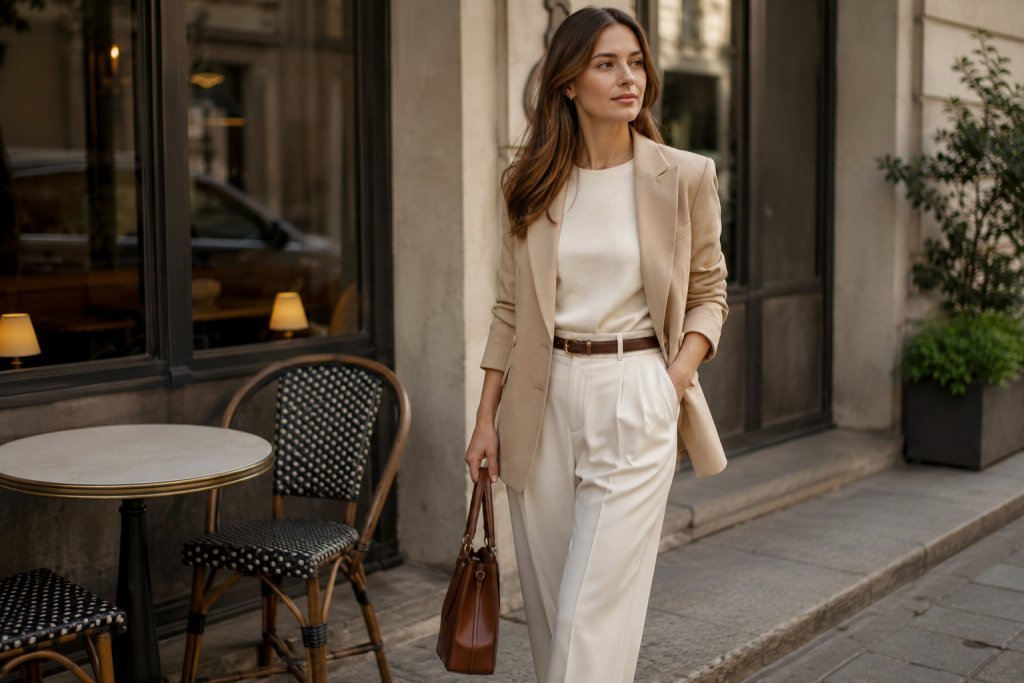
Nobody can tell what you paid for your clothes. They can only tell how the clothes look — and “expensive-looking” is a set of visual cues, not a price point. I’ve watched stylists make $30 outfits photograph like $300 ones, and the techniques aren’t mysterious. If you’re asking how can I make cheap clothes look expensive, here’s the playbook: it’s about fit, fabric choices, details, and the finishing touches that signal quality to the human eye.
How to Make Cheap Clothes Look Expensive
Expensive-looking clothes share specific traits: clean lines, good fit, quality-feeling fabric, minimal visible branding, and impeccable condition. Cheap-looking clothes telegraph the opposite: pulling, pilling, wrinkles, loose threads, and fussy details. The transformation is systematic:
- Fit is everything. The number-one difference between cheap and expensive looking. Get the almost-perfect pieces tailored — hemming, taking in waists, adjusting straps. A $20 thrifted blazer with $15 of tailoring looks bespoke.
- Steam or iron everything. Wrinkles are the fastest cheap-signal in existence. A $25 handheld steamer does more for your wardrobe’s perceived value than any purchase.
- Choose simple over fussy. Clean, minimal designs look expensive; busy prints, excessive hardware, and trendy details look cheap faster. When in doubt, simpler reads richer.
- Stick to a refined palette. Black, white, navy, camel, gray, and olive look expensive in any fabric. Neon and muddy colors expose cheap fabric instantly.
- Maintain ruthlessly. De-pill sweaters with a fabric shaver, lint-roll before leaving, fix loose buttons immediately, retire stained items. Expensive-looking is largely about condition.
- Hide the branding. Loud logos on cheap items scream the price point. Unbranded or subtly branded pieces let the outfit speak.
- Upgrade the details. Swap cheap plastic buttons for nicer ones ($5 at a craft store, huge visual difference). Tuck shirts cleanly. Match your metals.
Fabric: Where to Spend and Where to Save
Not all cheap fabrics are equal. The ones that fake luxury well: crepe, ponte, scuba-knit, faux suede, and quality cotton poplin — they drape cleanly and photograph richly. The ones that betray you: thin jersey that clings and shows every line, shiny polyester that looks plasticky, and anything sheer that wasn’t meant to be. When shopping affordable, touch everything: if it feels substantial and drapes rather than clings, it’ll look the part. Linen-look and textured fabrics hide a multitude of sins — texture reads as intentional and expensive.
Layering also upgrades the look: a blazer over a simple top, a structured coat over anything, a silk-feel scarf at the neck. Structured outer layers impose polish on whatever’s underneath. This is why dressing stylishly on a budget leans so heavily on one good blazer and one good coat — they’re the frames that make everything inside look like art.
Accessories: The Great Equalizer
Accessories carry disproportionate weight in perceived outfit value. A structured handbag (even an affordable one — good affordable handbag brands exist) lifts the whole outfit. Clean, polished shoes matter enormously — well-kept white sneakers or polished loafers signal care. Simple, classic jewelry (small hoops, a delicate necklace, a clean watch) reads as refined. A belt that actually fits and matches your shoes. These details are what the eye registers as “put together,” and put-together reads as expensive.
Grooming: The Free Luxury
The most expensive-looking thing you can wear isn’t clothing at all. Neat hair (clean, intentional — not necessarily styled elaborately), groomed nails (short and clean beats chipped polish), good posture, and subtle, appropriate makeup or well-kept skin create a halo effect: when you look polished, your clothes get the benefit of the doubt. I’ve seen this work in reverse too — a designer outfit on someone unkempt reads as less impressive than a Target outfit on someone immaculate. The Cut’s guide to looking expensive makes this same point: polish is 80% maintenance.
The $50 Polish Kit
Assemble this once and your whole wardrobe levels up: a handheld steamer ($25) — the single highest-ROI style purchase in existence. A fabric shaver ($12) — de-pills sweaters and knits in minutes, making old pieces look new. A lint roller (multi-pack, $8) — keep one at home, one at work, one in the car. Shoe polish + brush ($10) in black and brown — maintained shoes transform outfits. A sewing kit ($5) — buttons, hems, loose threads fixed in minutes. Total: ~$60. This kit does more for “looking expensive” than any single clothing purchase, because expensive-looking is 80% maintenance. The people who always look polished aren’t buying more — they’re maintaining better.
The Thrifted Luxury Look
The ultimate cheap-looks-expensive move is buying actual quality secondhand. What to hunt: wool and cashmere blazers, silk blouses, leather handbags, quality coats — the pieces where material and construction matter most and where thrift prices are 90% off retail. What to check: the content label (natural fibers), the construction (lined, finished seams, quality hardware), and the condition (no stains, minimal wear). The math: a $15 thrifted cashmere sweater + $10 de-pilling and steaming = a $200 look for $25. A $20 leather bag + $8 conditioning = the $300 aesthetic. Thrifted quality beats new mediocrity at every price point — the “expensive” signal is material and construction, and thrift stores are full of both at disposable prices. This is the insider’s real secret: the best-dressed budget shoppers aren’t buying cheap new — they’re buying quality used.
The 5-Minute Pre-Exit Polish
Build this into your routine and you’ll never leave looking unfinished. Mirror check: front, back, side — in natural light if possible. The lint roll: 10 seconds, head to toe — pet hair and lint are the fastest polish-killers. Steam the wrinkles: the handheld steamer lives by the door for a reason — 60 seconds on the visible areas. Shoes: quick wipe or brush — the last thing people notice is the first thing that undermines. Details: tucked or untucked (decide, don’t drift), collar straight, sleeves even, jewelry on, bag packed. The scent check: subtle or none. Five minutes, every time, and the “expensive” impression is locked in before you reach the car. Polish isn’t a purchase — it’s a practice.
The Practical Takeaway
This week: steam everything you wear, de-pill your sweaters, get one piece tailored, and adopt the tuck. Choose simpler designs in richer colors, maintain what you own like it’s designer, and let accessories and grooming do the heavy lifting. Expensive is a look, not a receipt. Master the signals and nobody will ever know the difference — including you, when you catch your reflection.







1 thought on “How to Make Cheap Clothes Look Expensive”