
How to Dress Stylishly on a Budget: 12 Smart Tips
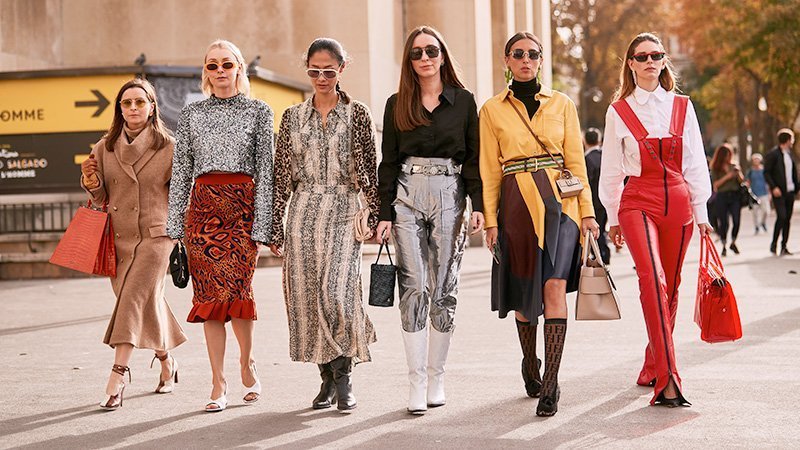
Here’s a secret the fashion industry doesn’t want you to internalize: looking stylish has almost nothing to do with how much you spend. I’ve seen women in $40 thrifted outfits turn more heads than women in $400 outfits, and the difference was never the price tag — it was fit, grooming, and intention. If you’re wondering how can I dress stylishly on a budget, you’re asking the right question, because style is a skill, not a shopping spree. And skills can be learned for free.
How to Dress Stylishly on a Budget
The foundation of budget style is a principle stylists repeat constantly: fit beats price, every time. A $25 top that fits perfectly looks more expensive than a $150 top that pulls, gaps, or swims. Learn your measurements, try things on (sizes vary wildly between brands), and don’t be afraid of a tailor — hemming pants ($12–15) or taking in a waist transforms cheap finds into custom-feeling pieces. A $10 thrift blazer plus $15 in tailoring looks like a $200 blazer. That’s not a metaphor; it’s arithmetic.
The second principle: build around neutrals, accent with color. Black, white, navy, gray, beige, and denim mix with everything, which means fewer pieces create more outfits. When your base is neutral, even inexpensive accessories — a scarf, earrings, a belt — read as intentional styling rather than random accumulation. InStyle’s budget style guide emphasizes this capsule approach as the core of looking polished affordably.
Where to Shop (and How)
- Thrift and consignment stores. The highest style-per-dollar ratio in existence. Go regularly (inventory turns over), check the blazer/silk/leather sections first, and learn your fabrics — natural fibers and good construction hide their price. Finding quality clothes at thrift stores is a skill worth developing deliberately.
- End-of-season sales and outlets. Buy winter coats in March, swimsuits in September. The discounts are steep and the pieces are identical.
- Affordable retailers with good basics. Uniqlo, H&M’s premium lines, Target’s designer collaborations, and Old Navy for basics — the trick is choosing simple, classic pieces rather than trendy items that look cheap.
- Clothing swaps. Free, social, and sustainable. Organize one with friends and everyone leaves with “new” clothes.
- Online resale. Poshmark, ThredUp, and eBay for specific pieces — set alerts for brands you like in your size and wait for the price to drop.
The “Expensive” Details That Cost Nothing
What actually makes an outfit look expensive: steamed, lint-free clothes (a $25 handheld steamer is the best style investment you’ll ever make), clean, maintained shoes, groomed hair and nails (neat doesn’t mean expensive), simple, unfussy styling (tucked shirts, defined waist, intentional layers), and confidence in the outfit — fidgeting with clothes telegraphs discomfort. None of these cost money. All of them read as polish. Making cheap clothes look expensive dives deeper into these exact details.
Build Slowly, Buy Intentionally
The budget killer isn’t cheap clothes — it’s impulse clothes. The $15 top you wear once costs more per wear than the $60 blazer you wear fifty times. Before buying, run the checklist: does it fit perfectly (or can it be tailored cheaply)? Does it match at least three things I own? Is the fabric decent? Will I wear it in a year? One thoughtful $40 purchase beats four $10 regrets. This mindset also naturally steers you toward affordable work clothes that last rather than disposable fast fashion.
Consider a seasonal “one in, one out” rule to keep your closet curated — it forces intentionality and keeps the wardrobe feeling fresh without growing. And take care of what you own: wash cold, hang dry delicates, fold knits instead of hanging them (hangers stretch shoulders), and address stains immediately. A well-maintained $30 sweater outlasts and out-looks a neglected $100 one. Good Housekeeping’s clothing care guides cover the maintenance basics that protect your investment.
The 10-Item Starter Wardrobe (Under $300)
Starting from scratch? Here’s the whole thing: dark jeans ($40), black trousers ($35), white button-down ($25), 3 neutral tees ($30), a blazer — thrifted ($25), a simple sweater ($30), white sneakers ($50), black flats ($40), and a structured tote — thrifted or affordable ($25). Total: ~$300. Every piece matches every other piece, creating 20+ outfits. Add a scarf, simple jewelry, and a belt from what you own. This isn’t a compromise wardrobe — it’s the foundation stylists build for clients, and it proves the central point: style is composition, not accumulation. Ten right pieces beat fifty random ones at any budget.
Budget Style Mistakes to Avoid
Mistake one: buying because it’s cheap. The $8 top you never wear is more expensive than the $40 top you wear weekly — cost-per-wear is the only math that matters. Mistake two: ignoring fit to save money. The too-small-because-it-was-on-sale purchase helps no one; tailoring the right size is cheaper than replacing the wrong one. Mistake three: chasing every trend. Trends at budget prices look dated fastest — invest your limited budget in classics, rent or thrift the trends. Mistake four: neglecting what you own. The $200 spent on new clothes while the existing wardrobe wrinkles in a pile is the real budget leak — maintenance is free style. Mistake five: comparing to luxury. Style isn’t a price competition; the goal is looking intentional and polished, which is achievable at every budget. The best-dressed person in the room is rarely the one who spent the most.
The Confidence Multiplier
Here’s what budget style really comes down to: the woman who owns her outfit always looks better than the woman apologizing for hers. Fidgeting, tugging, and the “it’s just cheap” disclaimer undo more outfits than any price tag. Wear the thrifted blazer like it was made for you — because after tailoring, it was. Walk like the outfit was intentional — because it was. Confidence isn’t the absence of budget; it’s the presence of intention. And intention is free. The most stylish budget dressers share one trait: they stopped waiting for expensive clothes to feel good and started feeling good in the clothes they have. That shift costs nothing and changes everything.
The Practical Takeaway
Prioritize fit above all — tailor the almost-perfect pieces. Build on neutrals, shop thrift and sales strategically, steam everything, and buy intentionally instead of impulsively. Style isn’t purchased; it’s practiced. Start with what you own: try new combinations this week, get one piece tailored, and notice how differently you feel. The budget was never the barrier — intention is the whole game.







1 thought on “How to Dress Stylishly on a Budget: 12 Smart Tips”