
How to Update Your Wardrobe Without Fast Fashion
You want a wardrobe refresh but you’re done with the fast-fashion cycle — the cheap thrills, the clothes that fall apart in three washes, the environmental guilt, the closet full of nothing-to-wear. Good. Quitting fast fashion doesn’t mean quitting style; some of the most interesting dressers I know haven’t bought fast fashion in years. If you’re asking how can I update my wardrobe without buying fast fashion, here’s the complete alternative system — better clothes, more personal style, often less money.
Why Quitting Fast Fashion Upgrades Your Style
Here’s the counterintuitive part: fast fashion’s endless novelty actually hurts personal style. When everything is disposable and trendy, nothing is chosen carefully, and closets fill with disconnected pieces. Stepping off the treadmill forces the intentionality that creates real style — every addition is considered, which means everything works together. Plus the quality jump: a $40 secondhand silk blouse outlasts and out-looks five $8 fast-fashion tops. Your wardrobe gets smaller, better, and more you.
The Alternatives, Ranked by Impact
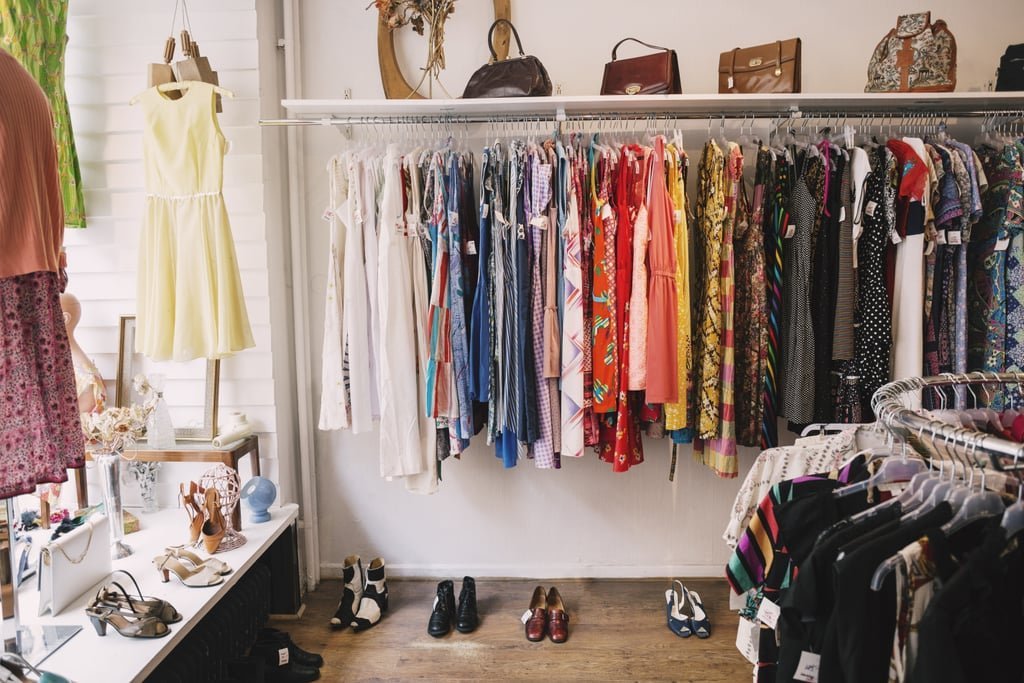
- Thrift and vintage stores. The number-one fast-fashion replacement. Unique pieces, natural fibers, construction quality from eras when clothes were built to last — at fast-fashion prices or less. Thrift strategically and you’ll build a wardrobe no one else has.
- Resale apps (Poshmark, ThredUp, Depop, eBay). Thrifting with search filters. Hunt specific brands, sizes, and pieces — it’s the most efficient way to find quality secondhand.
- Clothing rental (Nuuly, Rent the Runway). For occasion wear and trend experiments — wear the statement piece for the event, send it back. All the novelty, none of the closet clutter or waste.
- Clothing swaps. Free, social, sustainable. Organize with friends quarterly and everyone refreshes without spending or wasting.
- Sustainable and ethical brands. When buying new, choose brands built on fair labor and quality materials — Reformation, Everlane, Patagonia, Eileen Fisher, Kotn, and many smaller labels. Higher upfront cost, dramatically lower cost-per-wear.
- Tailoring what you own. The most sustainable garment is the one already in your closet. Refresh your existing wardrobe through tailoring, dyeing, and restyling before buying anything.
- Buy nothing groups and hand-me-downs. Unfashionable to mention, unbeatable in value. One person’s closet cleanout is another’s wardrobe refresh.
Shop Your Closet First (Seriously)
Before acquiring anything, do a full wardrobe audit with fresh eyes. Try on forgotten pieces — bodies and tastes change, and the blazer you ignored for two years might be perfect now. Experiment with new combinations; most “I need new clothes” feelings are actually “I need new combinations” feelings. Get one or two pieces tailored — a $15 alteration makes an old piece feel custom. Dye faded black pieces back to black (a $5 box of dye, transformative results). This step alone satisfies most wardrobe-update urges without a single purchase — fast fashion or otherwise.
The Mindset Shifts That Make It Stick
Cost-per-wear thinking: a $120 ethically-made sweater worn 100 times ($1.20/wear) beats five $25 fast-fashion sweaters worn 5 times each ($5/wear). The “expensive” choice is mathematically cheaper. Buy for 5 years, not 5 wears: ask “will I wear this in 3 years?” before buying — if not, rent it or skip it. Curate, don’t accumulate: the one-in-one-out rule keeps the wardrobe intentional. Learn basic mending: sewing a button, fixing a hem, de-pilling — fifteen minutes of care extends garments years. These shifts don’t just replace fast fashion; they build the personal style that fast fashion’s churn actively prevents.
The 30-Day No-Fast-Fashion Challenge
Commit to 30 days: no fast-fashion purchases, period. Week 1: audit and restyle — the closet challenge, photographing new combinations. Week 2: tailor one piece and repair three — experience the transformation of fit and maintenance. Week 3: one thrift trip with a specific list — feel the thrill of the hunt without the fast-fashion guilt. Week 4: organize a clothing swap or try a rental service for an upcoming event. By day 30, most people report three things: they didn’t miss fast fashion, their style feels more personal, and they saved money. The challenge isn’t about perfection — it’s about proving to yourself that the alternative works. After 30 days, the habit usually sticks because the results are visible in the mirror, not just the conscience.
Fast Fashion’s Real Cost (the Motivation)
Understanding the why strengthens the resolve. Environmental: fashion is among the world’s most polluting industries — the average American throws away 80+ pounds of clothing yearly, most of it fast fashion that decomposes over centuries while leaching chemicals. Labor: the $8 top exists because someone was paid pennies to make it — the true cost is just paid by someone else. Quality: designed for 10 wears, not 100 — the per-wear cost often exceeds “expensive” alternatives. Psychological: the endless novelty cycle trains dissatisfaction — there’s always something newer, making what you own feel inadequate by design. The alternative math: fewer, better pieces cost less per wear, last longer, pollute less, and — because each was chosen deliberately — actually reflect your style. Quitting fast fashion isn’t sacrifice; it’s opting out of a system designed to exploit you.
Building a Sustainable Wardrobe Budget
Ethical fashion costs more upfront — budget for it smartly. The shift: from “many cheap” to “fewer, better” — the same annual spend, allocated differently. The math: $1,200/year on fast fashion (lots of pieces, constant replacement) versus $1,200 on 8–10 quality/sustainable pieces (worn for years) — the second wardrobe costs less per wear by year two. The transition: don’t purge and rebuy — wear out what you own, replace sustainably as needed. The priorities: replace the highest-wear items first (the daily jeans, the work blazer) — that’s where quality matters most. The secondhand shortcut: sustainable doesn’t have to mean new — thrifted quality is the most sustainable option of all. The budget doesn’t need to grow; the allocation just needs to change.
The Practical Takeaway
This month: audit and restyle what you own, get one piece tailored, try one thrift trip with a specific list, and institute the 5-year question for future purchases. Updating your wardrobe without fast fashion isn’t deprivation — it’s an upgrade in quality, uniqueness, and self-knowledge. The best-dressed people aren’t wearing the newest things; they’re wearing the most considered things. Join them. The EPA’s resources on textile waste put the environmental stakes in clear perspective.






