
The Best Fabrics for Hot, Humid Weather
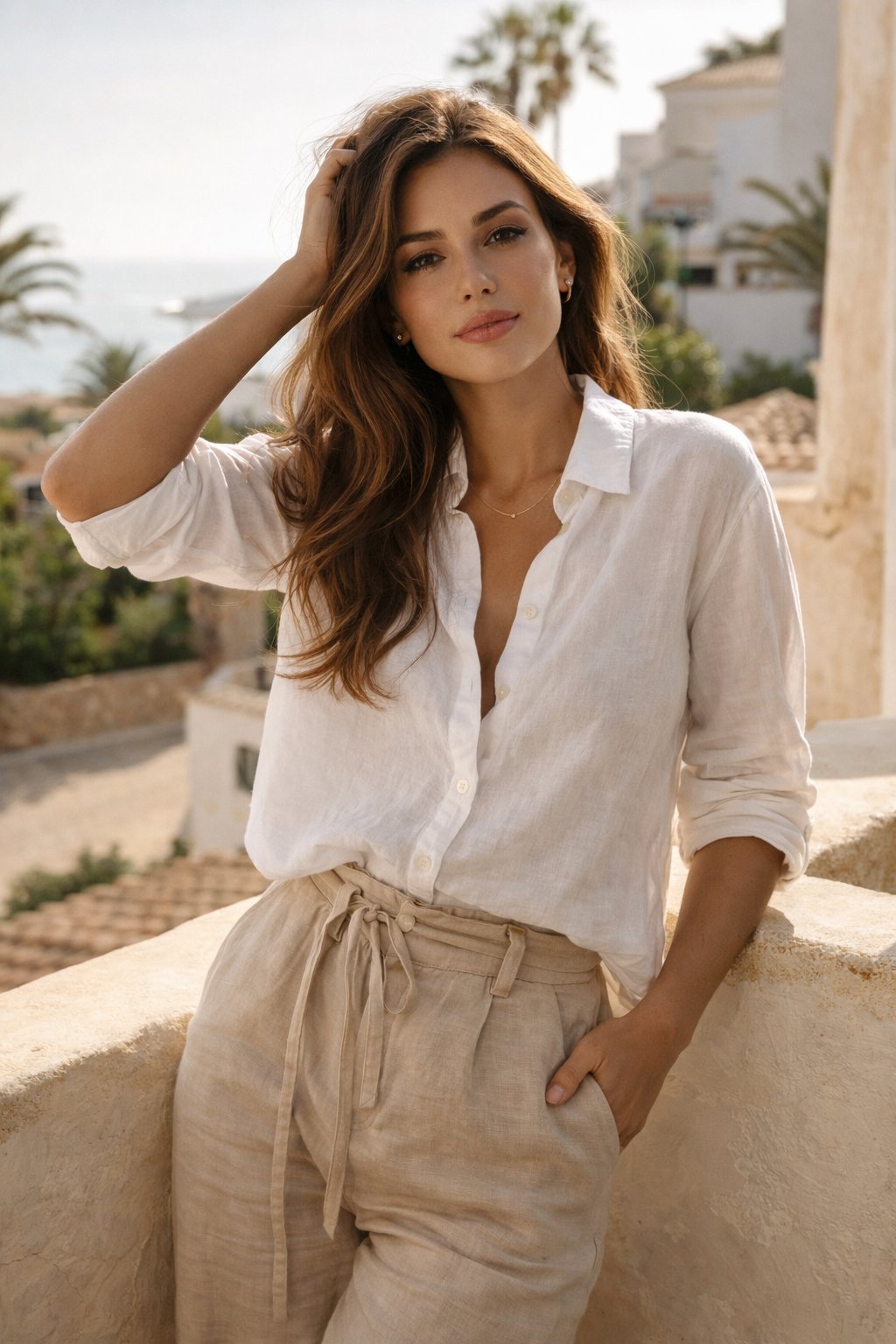
Hot plus humid is the hardest weather to dress for. Heat alone is manageable; humidity turns every fabric into a clingy, sweaty second skin and makes “effortless summer style” feel like a cruel joke. The difference between suffering and comfort is almost entirely fabric choice — the right materials breathe, wick, and drape away from the body, while the wrong ones trap heat and moisture against your skin. If you’re asking what are the best fabrics for hot humid weather, here’s the ranked guide from textile science and sweaty lived experience.
The Best Fabrics for Hot, Humid Weather
- Linen. The undisputed champion. Made from flax fibers, linen is exceptionally breathable, absorbs moisture without feeling damp, and dries quickly. Its natural texture means it doesn’t cling. Yes, it wrinkles — in humid heat, that’s the price of comfort, and the relaxed look suits the climate. A linen shirt in 90°F humidity feels 10 degrees cooler than cotton.
- Lightweight cotton (voile, seersucker, chambray). Not all cotton is equal — heavy cotton holds sweat, but open-weave cottons breathe beautifully. Seersucker’s puckered texture holds fabric off the skin (genius design); voile and lawn are featherweight; chambray gives denim’s look with a fraction of the weight.
- Merino wool (lightweight). Surprising but true — fine-gauge merino regulates temperature in heat too, wicks moisture, and resists odor for days. It’s why serious travelers wear merino T-shirts in tropical climates. Not cheap, but unmatched for multi-day wear.
- Bamboo viscose. Silky, breathable, moisture-wicking, with a soft drape that doesn’t cling. Excellent for underwear and base layers in humidity.
- Technical synthetics. Modern moisture-wicking polyester and nylon (athletic and travel lines) move sweat off skin faster than any natural fiber. Less elegant than linen, more effective during activity. The best hot-weather workout and hiking fabrics, period.
- Rayon challis / Tencel (lyocell). Flowy, breathable, with a beautiful drape — Tencel is also sustainably produced. Great for dresses and blouses that need to look polished while breathing.
Fabrics to Avoid (and Why)
Heavy cotton and denim — absorb sweat and stay wet, becoming heavy and chafing. Polyester (non-wicking, cheap) — traps heat and odor; the shiny cheap-poly blouse is humidity’s worst offender. Silk — shows every drop of sweat and water-spots. Leather and faux leather — non-breathable by nature; save for air conditioning. Nylon (non-technical) — hot and static-prone. When in doubt, hold fabric to your mouth and breathe through it — if air passes easily, it’ll breathe on your body. It’s a crude test that works remarkably well.
Construction Matters as Much as Fabric
The best humid-weather garment in the wrong cut still suffers. Loose and flowing beats fitted — air circulation between fabric and skin is cooling, and loose clothes don’t cling when damp. Light colors reflect heat; dark colors absorb it (up to 10°F difference in direct sun). Minimal layers — every layer traps heat. Vents, open weaves, and eyelets are functional design, not decoration. And seersucker, madras, and perforated details exist specifically because hot climates demanded them — trust the heritage.
Dressing for Humid Heat: Practical Formulas
Daily uniform: linen shirt or breathable top + loose shorts, skirt, or linen trousers + sandals. Work-appropriate: Tencel or rayon-challis blouse + lightweight tropical-wool or linen-blend trousers — polished without melting. Evening: flowy midi dress in rayon or voile + flat sandals. Underwear: bamboo or moisture-wicking — cotton underwear in humidity is a special misery. Pack these principles for beach vacations and check wrinkle-free travel fabrics — linen wrinkles, so for travel, lean on Tencel, technical blends, and seersucker that forgive the suitcase.
Humid-Heat Outfit Formulas
Put the fabric science into outfits. Workday: Tencel blouse + linen-blend trousers + breathable flats — polished, no sweat patches. Weekend: linen shirt (untucked, sleeves rolled) + cotton shorts + sandals — the uniform of everyone who lives in hot climates comfortably. Evening out: rayon-challis midi dress + flat sandals — flowy, elegant, breathable. Active day: technical synthetic top + lightweight shorts — function over fashion, and modern athletic wear looks fine doing it. The common thread: loose cuts, light colors, natural airflow. And the underwear rule — bamboo or moisture-wicking underwear in humidity isn’t a luxury, it’s survival. Dress for the climate you have, not the climate you wish you had, and humid heat becomes manageable instead of miserable.
Hot-Weather Grooming and Practicalities
Fabric is half the battle; the rest is practical management. Sweat management: antiperspirant applied at night (it works better), breathable underwear, and accepting that some sweat is normal — the goal is comfort, not dryness. Chafing: the humid-heat plague — anti-chafe balm or shorts under dresses prevents the misery; loose cuts reduce it naturally. Hair: updos and braids keep necks cool; humidity-proof products fight the frizz. Sun protection: the fabrics breathe but don’t block UV — sunscreen on exposed skin, hat for extended exposure. Hydration: you sweat more than you realize in humidity (it doesn’t evaporate, so you don’t feel it) — drink proactively. The mindset: humid heat is a condition to manage, not a problem to solve — the right fabrics plus these practicalities make it genuinely comfortable instead of merely survivable.
Fabric Blends: The Best of Both Worlds
Pure fibers get the glory, but blends often perform better. Cotton-linen: linen’s breathability with cotton’s softness and less wrinkling — the practical summer blend. Merino-synthetic: wool’s odor resistance and temperature regulation with synthetic durability and faster drying — the travel and active blend. Tencel-cotton: Tencel’s drape and coolness with cotton’s familiarity — the everyday comfort blend. Nylon-spandex: the active blend — stretch, durability, moisture management. What to check: the blend ratio matters — 55% linen/45% cotton behaves differently than 90/10. The rule: judge the fabric in your hand, not on the label — the blend should feel like the best of both fibers, not the worst. Smart blends are why modern hot-weather clothing outperforms the pure fibers of the past.
The Practical Takeaway
Default to linen, open-weave cottons, Tencel, and technical wicking fabrics; keep cuts loose and colors light; avoid heavy, clingy, non-breathable materials. In humid heat, fabric choice isn’t a style detail — it’s the difference between enjoying the day and counting minutes until air conditioning. Dress for the physics and the style follows. The Spruce’s fabric guides explain textile properties in plain English.







1 thought on “The Best Fabrics for Hot, Humid Weather”