
What Are the Best Substitutes for Eggs in Baking
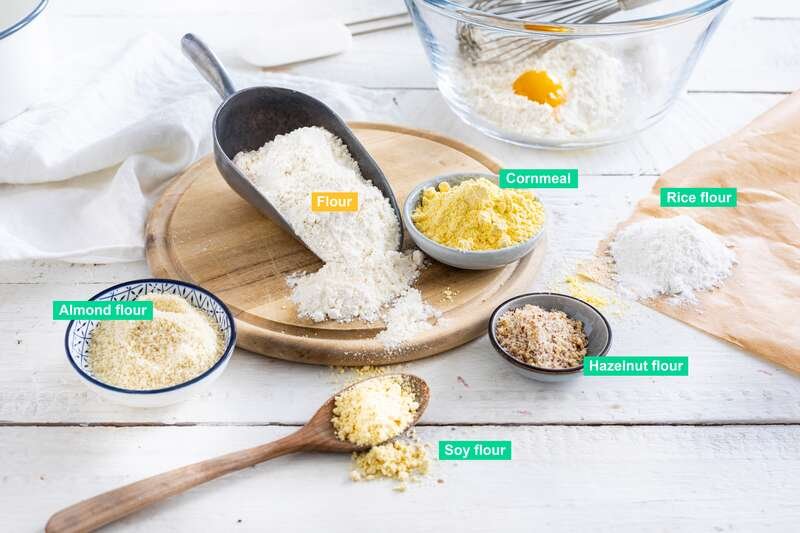
You’re halfway through a baking recipe when you realize: no eggs. Maybe you’re out, maybe someone has an allergy, maybe you’re baking vegan. Whatever the reason, you need a substitute — and not all substitutes work for all recipes. I’ve tested most of them across cakes, cookies, muffins, and brownies, and the truth is that the best egg substitute depends entirely on what the egg was doing in that recipe. Eggs do three jobs in baking: bind, leaven, and add moisture/richness. Match the substitute to the job.
Here are the best substitutes for eggs in baking, organized by what they do best.
What Are the Best Substitutes for Eggs in Baking?
First, figure out the egg’s role. One egg in most recipes? Any substitute works. Two to three eggs as binder/moisture? Most substitutes work with slight texture differences. Three+ eggs as the main structure (angel food cake, quiche, custards)? Don’t substitute — the recipe depends on eggs fundamentally, and no replacement will satisfy. Choose a different recipe instead.
Best All-Around Substitutes
1. Flax Eggs (Best Overall for Most Baking)
1 tablespoon ground flaxseed + 3 tablespoons water, rested 5–15 minutes until gel-like = 1 egg. The gel mimics egg’s binding beautifully. Best for: muffins, quick breads, cookies, pancakes. The mild nutty flavor disappears in most recipes. Use golden flaxseed if color matters (brown flax darkens light batters). Doesn’t leaven much — pair with adequate baking powder for cakes. This is my default substitute and the one I recommend first.
2. Chia Eggs
1 tablespoon chia seeds + 3 tablespoons water, rested 10–15 minutes = 1 egg. Works nearly identically to flax eggs. Grind the chia first for a smoother texture (whole chia leaves visible specks — fine in hearty muffins, odd in vanilla cake). Best for the same applications as flax. Choose based on what’s in your pantry — they’re interchangeable.
3. Unsweetened Applesauce (Best for Moisture)
1/4 cup per egg. Excellent moisture replacer, adds subtle sweetness — reduce other sugar by 1–2 tablespoons per egg replaced to compensate. Best for: muffins, quick breads, brownies, spice cakes. Makes things denser and moister — wonderful in banana bread, less ideal where lightness matters. Don’t use in recipes needing structure from eggs (it provides zero binding strength).
4. Mashed Banana (Best for Dense, Moist Bakes)
1/4 cup (about half a banana) per egg. Similar to applesauce but with distinct banana flavor — only use where banana complements (banana bread, chocolate cake, oatmeal cookies). Adds great moisture and binding. Like applesauce, it densifies — don’t expect airy results.
5. Commercial Egg Replacer (Most Reliable for Cakes)
Bob’s Red Mill or Ener-G, prepared per package (usually 1 tablespoon powder + 2 tablespoons water per egg). Formulated with starches and leaveners to mimic egg function broadly. Best for: cakes and cupcakes where texture matters most — it produces the closest-to-normal crumb of any substitute. Keep a bag in the pantry; it lasts forever and eliminates guesswork.
Specialty Substitutes (Specific Jobs)
- Aquafaba (chickpea liquid): 3 tablespoons per egg. The miracle substitute — whips like egg whites for meringues, mousses, and macarons. Also works as a general binder. The bean taste vanishes when cooked. Reduce the liquid slightly for a thicker whip.
- Silken tofu: 1/4 cup blended per egg. Best for dense, rich bakes — brownies, cheesecakes, custardy desserts. Adds protein and creates a fudgy texture. Must be silken (not firm) and blended smooth.
- Yogurt (dairy or non-dairy): 1/4 cup per egg. Great moisture and tenderness for cakes and muffins. The acidity also boosts leavening slightly.
- Buttermilk: 1/4 cup per egg. Similar to yogurt — moisture, tenderness, and acid-activated lift with baking soda. Excellent in pancakes and quick breads (see our fluffy pancake recipe).
- Carbonated water: 1/4 cup per egg. Pure leavening — the bubbles add lift with no flavor impact. Best in light cakes and tempura-style batters where you want rise without density. Combine with a binder (like flax) for best results.
- Nut butter: 3 tablespoons per egg. Binding plus richness and flavor — best in cookies and brownies where nuttiness fits. Peanut, almond, or cashew all work.
- Pumpkin purée: 1/4 cup per egg. Like applesauce but with warm flavor — perfect for fall baking, muffins, and pancakes.
What Each Substitute CAN’T Do
Honest limitations: no substitute replicates egg whites’ whipping except aquafaba (and even that’s less stable). Meringues, angel food cake, and soufflés need real eggs or aquafaba specifically. Custards and curds (which are essentially egg-thickened) don’t work with substitutes — use cornstarch-based pudding recipes instead. Enriched breads (brioche, challah) lose their characteristic texture without eggs — they’re still edible, just different.
Substitution Cheat Sheet by Recipe Type
- Cookies: flax egg, nut butter, or applesauce. Cookies are forgiving — almost anything works.
- Muffins/quick breads: flax egg, applesauce, banana, or yogurt. These are the easiest to adapt.
- Cakes/cupcakes: commercial replacer, yogurt, or flax + extra leavener. Cakes are pickiest about texture.
- Brownies: silken tofu, black bean purée (yes, really — 1/4 cup per egg, undetectable in chocolate), or applesauce. Fudgy is the goal; substitutes excel here.
- Pancakes/waffles: flax egg, banana, or just omit (pancakes barely need eggs — our pancake guide explains the real fluffiness drivers).
Allergy and Vegan Notes
For egg allergies: all substitutes above are egg-free, but check commercial replacers for cross-contamination warnings if the allergy is severe. For vegan baking: combine substitutes thoughtfully — flax egg + plant milk + vegan butter covers most recipes. Note that honey is not vegan (use maple syrup or agave when sweetening adjustments are needed). And remember that chocolate, sugar, and some flours have their own non-vegan processing concerns for strict vegans — the egg substitute is just one piece.
Practical Takeaway
Match the substitute to the egg’s job: flax or chia eggs for binding (the best all-around choice), applesauce or banana for moisture, commercial replacer for cakes where texture matters, aquafaba for anything needing whipped whites, silken tofu for rich dense bakes. Don’t try to replace 3+ structural eggs — pick a different recipe. And keep ground flaxseed in the freezer (it stays fresh for months) so you’re never caught without options again. Bob’s Red Mill’s baking guides include detailed egg-replacement charts for their flours.






