How to Make Your Own Sourdough Starter From Scratch
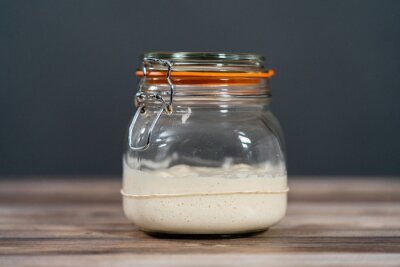
Making your own sourdough starter from scratch feels like alchemy the first time. You mix flour and water, leave it on the counter, and a few days later it is alive, bubbling away with wild yeast and bacteria that will leaven bread better than anything from a packet. It sounds fragile and technical. In reality, starters are resilient, forgiving, and far easier than their reputation suggests.
People have been doing this for thousands of years with no thermometers, no scales, and no internet guides. You will be fine.
How Can I Make My Own Sourdough Starter From Scratch?
What You Need
Flour, water, and a jar. That is the complete equipment list. Whole grain flour, whole wheat or rye, works best for getting a starter going because it contains more of the wild yeast and bacteria you are trying to cultivate. After the starter is established, you can feed it with all-purpose flour. Use unchlorinated water if your tap water is heavily chlorinated; filtered water or tap water left out overnight both work.
Days 1 to 3: Getting Going
Day 1: Mix 60 grams of whole wheat flour with 60 grams of lukewarm water in a clean jar until no dry flour remains. Cover loosely, a cloth lid or a jar lid left ajar works, and leave it at room temperature, ideally 75 to 80°F.
Day 2: You may see nothing. That is normal. Discard half the mixture and feed it with 60 grams of all-purpose flour and 60 grams of water. Stir well.
Day 3: You might see a few bubbles and a slightly sour smell. Discard half and feed again with all-purpose flour and water. If it smells like gym socks or acetone, do not panic; that is normal mid-process funk.
Days 4 to 7: Building Strength
Continue discarding half and feeding once daily. Around day four or five, you should see real activity: the starter rises noticeably after feeding, full of bubbles, then falls back down. It may develop a dark liquid on top called hooch; just stir it back in or pour it off. Both are fine.
By day seven, a healthy starter doubles in size within four to eight hours of feeding, smells pleasantly tangy like yogurt, and passes the float test: drop a small spoonful in water, and if it floats, it is ready to leaven bread.
Days 7 to 14: Patience for Late Bloomers
Some starters take the full two weeks, especially in cool kitchens. If yours is sluggish, try feeding twice daily, moving it somewhere warmer like the top of the fridge or inside the oven with the light on, or switching back to whole grain flour for a few feedings. Do not give up on day eight. Almost every “failed” starter I have heard about just needed more time.
Maintaining Your Starter
Once established, a starter needs regular feeding. If you bake weekly, keep it on the counter and feed it daily. If you bake less often, keep it in the fridge and feed it once a week; take it out a day before baking and give it two feedings to wake it up. The discard does not have to be wasted; sourdough discard makes excellent pancakes, crackers, pizza dough, and banana bread.
A mature starter is remarkably hard to kill. Neglected it in the fridge for a month? Pour off the hooch, feed it a few times, and it will bounce back. Starters have survived far worse than your busy schedule.
What to Bake First
Your first sourdough loaf does not have to be perfect. A simple recipe with an overnight bulk ferment is the most forgiving starting point, and the skills transfer directly from making homemade bread without a bread machine. If wheat is an issue in your house, you can maintain a starter on brown rice flour instead; the best gluten-free flour alternatives for baking include options that ferment well.
For troubleshooting and feeding schedules, King Arthur Baking has the definitive starter guide, and The Kitchn covers common problems clearly.
Do Not Waste the Discard
The daily discard feels wasteful until you learn what it can become. Sourdough discard is unfed starter, too weak to leaven bread but full of flavor, and it makes extraordinary pancakes, waffles, crackers, flatbreads, and banana bread. Discard crackers, just discard, flour, oil, and salt rolled thin and baked, are dangerously addictive and take fifteen minutes. Discard pizza dough ferments overnight into a tangy, chewy crust. Once you have two or three discard recipes in rotation, the “waste” becomes a feature; many bakers maintain their starter partly for the discard baking.
Troubleshooting Common Starter Problems
- No activity after a week: try a warmer spot, switch to whole grain flour for a few feedings, or feed twice daily. Patience solves most cases.
- Smells like nail polish remover: it is hungry. The acetone smell means it has consumed everything; feed it more often or increase the feeding ratio.
- Dark liquid on top: hooch, a harmless byproduct of hunger. Stir it in for more sour flavor or pour it off for milder. Then feed.
- Mold: pink, orange, or fuzzy spots mean contamination. Unfortunately, this is the one problem you cannot fix; start over with clean equipment.
- Rises then collapses fast: normal for a young starter. It will stabilize with consistent feeding over another week.
- Doubles but bread still fails: the starter may need more maturity. Keep feeding for another week; most starters bake better at three weeks than at one.
Starter FAQs
Can I use tap water? Usually yes. If your water is heavily chlorinated, let it sit out overnight or use filtered water; chlorine can inhibit the wild yeast.
Why does my starter smell like alcohol? It is hungry. The boozy smell means it has consumed all available food; feed it, and consider feeding more often or in a larger ratio.
Do I have to discard every time? The discard keeps the feeding ratio manageable; without it, you would need ever-increasing amounts of flour. But the discard is useful, not waste, so bake with it.
Can I make a starter with gluten-free flour? Yes. Brown rice flour works well; the process is the same, though the starter behaves a bit differently and may need more frequent feeding.
How long until I can bake bread? When the starter reliably doubles within four to eight hours of feeding and passes the float test, usually between days seven and fourteen.
The takeaway: flour, water, warmth, and patience. Feed it daily for a week or two, watch for doubling and bubbles, and you will have a living starter that can bake bread for years.