
How to Find Your Size Across Different Clothing Brands
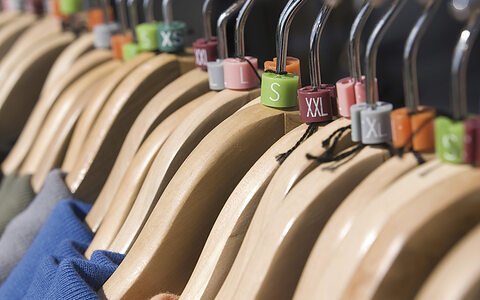
You’re a medium. Except at that store, where you’re a large. And at the other one, where you’re somehow a small. And don’t get me started on jeans, where the same “size 8” fits like three different garments. If you’re asking how do I know what size I am in different clothing brands, welcome to the chaos of vanity sizing — where numbers are marketing, not measurements. Here’s how to cut through it and actually find clothes that fit, in any brand, every time.
Why Sizes Are Meaningless (the Honest Explanation)
There is no standard US women’s or men’s sizing. None. Each brand develops its own “fit block” based on its target customer, and then applies vanity sizing on top — the practice of labeling garments smaller than their actual measurements so customers feel good. A size 8 today has the measurements of a size 12 from the 1970s. Brands targeting younger customers size smaller; brands targeting an older or plus demographic often size more generously. The result: your “size” is brand-specific fiction. The sooner you stop being loyal to a number, the sooner shopping gets easier.
The fix is embarrassingly simple: know your measurements, not your size. Bust/chest, waist, hips, inseam — four numbers that don’t lie and don’t change with branding. Keep them in your phone. When shopping online, compare your measurements to the brand’s size chart (not the generic S/M/L, but the actual inch chart, which most decent retailers publish). This one habit eliminates most online ordering disasters. Real Simple’s how-to-measure-yourself guide walks through taking accurate measurements at home.
The In-Store and Online Playbook
- Always try on multiple sizes. Grab your usual plus one up and one down. It takes two extra minutes and saves the return trip. No one in the fitting room cares what size you’re holding.
- Learn each brand’s quirks. After a few purchases, you’ll know: “Brand X runs small in tops but true in pants.” Keep a note. Jeans for curvy body types vary so much by brand that this knowledge is essential.
- Read reviews for fit intel. “Runs small,” “size up,” “true to size” — reviewers are your fitting-room scouts. Sort reviews by body similarity when the site allows it.
- Check the fabric content. 100% cotton with no stretch fits differently than a cotton-elastane blend, even in the “same” size. Rigid fabrics need exact fit; stretch forgives.
- Understand international conversions — loosely. US, UK, EU, and Asian sizing all differ, and conversions are approximate. When buying international brands, always use the inch/centimeter chart, never the converted size number.
- For bras, get fitted properly. Bra sizing is its own special chaos — most women wear the wrong size. Finding your bra size at home is worth doing right, since it affects how every top fits.
Fit Trumps Size, Always
Here’s the mindset shift: the size on the tag is invisible to everyone but you. What people see is fit — and fit is adjustable. If the shoulders and bust fit but the waist gaps, that’s a tailoring job, not a size failure. If you’re between sizes, buy for the largest measurement and tailor down; taking in is easy, letting out is often impossible. A $15 tailoring fix on the “wrong” size produces a better result than the “right” size that fits nowhere perfectly. This is the core principle behind making affordable clothes look expensive — fit is the luxury signal, not the number.
Building a Wardrobe That Fits
Once you know your measurements and each brand’s quirks, shopping becomes strategic instead of demoralizing. Stick with brands whose fit blocks match your body — there’s no prize for forcing yourself into a brand cut for someone shaped differently. When building wardrobe basics, prioritize fit perfection on the high-visibility pieces (blazer, coat, jeans) and accept “good enough” on the easy ones (T-shirts, knits). And cut the tag out if the number bothers you. Seriously — nobody knows, nobody cares, and you’ll enjoy the clothes more. The Cut’s vanity sizing explainer digs into why the system is the way it is.
The Online Ordering System (Stop the Return Cycle)
Make online shopping work with a protocol: read the size chart every time (even for brands you know — fits change seasonally), check the model’s measurements (many sites list the model’s size and stats — compare to yours), read the reviews filtered by body similarity, order two sizes when free returns exist (it’s not wasteful — it’s efficient), and know the return window before buying (set a phone reminder to try on within 48 hours of delivery — the “I’ll try it later” pile becomes the “missed the window” pile). Keep a running note of each brand’s fit quirks (“Brand X: tops run small, pants true”) and your order history. Within six months you’ll have a personalized fit database that makes online shopping nearly as reliable as in-store — without the fitting room lighting.
Tailoring: The Great Equalizer
Here’s the secret the well-dressed know: almost nothing fits perfectly off the rack, and that’s normal. Bodies aren’t standardized; clothes are. The $15–25 alterations that transform “almost” into “perfect”: hemming pants and sleeves, taking in waists, adjusting straps, tapering legs. What to tailor: blazers, trousers, dresses, coats — the structured pieces where fit is visible. What’s not worth tailoring: cheap fast-fashion (the alteration costs more than the garment’s worth), anything needing major restructuring, and knits (hard to alter well). Find your tailor: ask well-dressed friends, check reviews, start with one simple hem to test quality. A good tailor relationship is a style superpower — suddenly every brand’s “almost” becomes your “perfect,” and sizing anxiety drops dramatically. Budget $100/year for alterations; it’s the highest-ROI clothing spend there is.
The Practical Takeaway
Measure yourself today, save the numbers in your phone, and consult inch-based size charts instead of S/M/L labels. Try multiple sizes without ego, read fit reviews, and tailor the near-misses. Your size isn’t a number — it’s a set of measurements plus brand knowledge. Learn the system once and shopping gets permanently easier.







1 thought on “How to Find Your Size Across Different Clothing Brands”