
How to Start Collecting Vinyl on a Budget
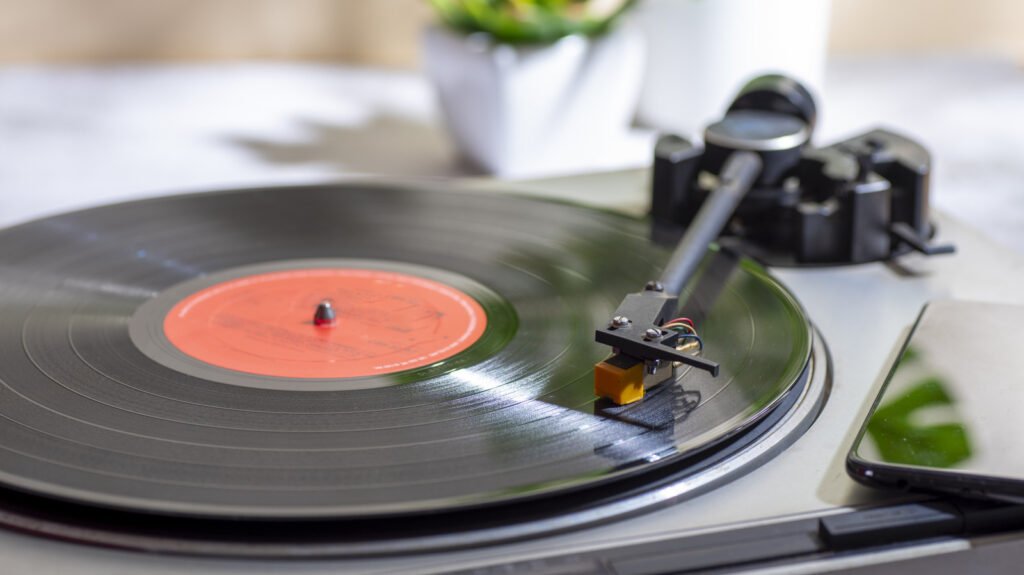
Vinyl collecting looks like an expensive hobby from the outside: $40 new pressings, $500 turntables, audiophile forums arguing about cartridges. But starting a vinyl collection on a budget is entirely doable. The secret the hobby does not advertise is that the best part of collecting, the digging, the discovery, the dollar-bin miracles, is also the cheapest part.
I built a 200-record collection on a tight budget, and the records I treasure most cost under five dollars each. Here is how.
How Do I Start Collecting Vinyl Records on a Budget?
1. Get a Decent Turntable Without Overpaying
You do not need to spend $500. A solid entry-level turntable from a reputable brand costs $150 to $300 new, and the used market is full of quality vintage turntables for under $100. What matters: a real tonearm with adjustable tracking force, a replaceable cartridge, and a belt or direct drive, not a suitcase player. Avoid the all-in-one suitcase turntables; they look charming and they damage records with heavy, non-adjustable tracking force. Check thrift stores, estate sales, and local classifieds; vintage Technics, Dual, and Pioneer tables are built like tanks and often need only a new stylus.
You will also need speakers or a receiver. Powered speakers with a phono preamp, or a turntable with a built-in preamp connected to any speakers you own, keep the initial cost down. Do not buy everything at once; start simple and upgrade piece by piece.
2. Learn Where the Cheap Records Are
Thrift stores: the classic hunting ground. Most records are a dollar or two. The selection is random, which is the point; you will find things you never would have sought out. Go often, because inventory turns over constantly.
Estate sales: entire collections sold for pennies per record, often well-cared-for. Arrive early on the first day for the best selection.
Flea markets and record fairs: dealers have dollar bins alongside the expensive stuff. Digging through them is half the fun.
Discogs and local classifieds: for specific wants, online marketplaces beat retail prices, especially for used copies in good condition.
Your relatives: ask. Attics and basements across the country hold forgotten collections that families are happy to give to someone who will play them.
3. Know What to Look For
Condition is everything. Hold records up to a light and look for scratches; light surface marks are fine, deep scratches are not. Check the sleeve for ring wear and seam splits, which affect value but not sound. Learn the grading scale, from Mint down to Poor, so you can evaluate finds. A $1 record in great condition beats a $20 record in poor condition every time.
Buy what you love, not what is valuable. Collecting for investment is a different hobby and a stressful one. The dollar-bin record you play fifty times is worth more to you than a sealed collectible you are afraid to touch.
4. Take Care of What You Find
Budget record care is simple: anti-static inner sleeves to replace old paper ones, a carbon fiber brush used before every play, and proper vertical storage, never stacked flat. Keep records away from heat and sunlight. A $15 brush and $20 worth of sleeves protect a collection worth far more.
Building Taste on a Budget
The constraint is the gift. When every record costs a dollar, you take chances on unfamiliar artists, weird genres, and albums with great covers. Some of my favorite music came from blind thrift-store buys. Use your finds as a springboard: love a record, then explore the artist’s catalog through streaming before buying more vinyl. The guide to finding new music you love pairs perfectly with crate digging.
And remember that collecting is about the music first. A modest setup playing records you love beats an expensive system playing records you bought for status. If you are musically inclined yourself, learning guitar as a beginner is the natural companion hobby.
For pressing quality news and collecting culture, Billboard covers vinyl’s resurgence, and WIRED reviews turntables and audio gear.
Cleaning and Maintaining Your Records
Clean records sound better and last longer, and basic care is cheap. Before every play: use a carbon fiber brush, letting the record spin a few rotations with the brush lightly touching the surface. For dirty thrift finds: a microfiber cloth with distilled water and a drop of mild dish soap, wiped in circular motions following the grooves, then rinsed with distilled water and air-dried. Deep cleaning: a spin-clean style washer pays for itself quickly if you buy a lot of used records. Storage: always vertical, never stacked; replace worn paper sleeves with anti-static inner sleeves; keep away from heat, sunlight, and humidity. A $30 investment in sleeves and a brush protects hundreds of dollars of records.
Trading Up and Selling Dupes
As your taste develops, your collection will evolve. Sell or trade records you no longer love; they fund the ones you do. Local record stores buy used vinyl, typically offering cash or more in store credit; credit is the better deal if you are still collecting. Online marketplaces reach more buyers but involve shipping hassle; save them for valuable items. Record fairs often have traders happy to swap. And do not feel guilty about upgrading a beloved album from a scratchy dollar copy to a clean pressing; the music deserves it, and the old copy can make another collector happy. Collections are living things; curate yours actively.
Vinyl FAQs
How much should a beginner turntable cost? $150 to $300 new, or under $100 used for quality vintage. Avoid suitcase players; they damage records.
Where are the cheapest records? Thrift stores, estate sales, and flea market dollar bins. A dollar a record with patience beats retail every time.
New pressings or originals? Originals are often cheaper used and sometimes sound better; new pressings are cleaner and support artists. Both have their place.
How do I grade condition? Hold the record to a light and look for scratches. Light marks are fine; deep scratches are not. Learn the standard grading scale.
Do I need expensive cleaning gear? No. A carbon fiber brush before each play and anti-static inner sleeves cover 90 percent of record care.
The takeaway: skip the suitcase player, buy a decent used turntable, dig thrift stores and estate sales, judge by condition, and buy what you love. The best collection is the one you actually play.



