
How to Remove Stains From Clothes: A Complete Guide
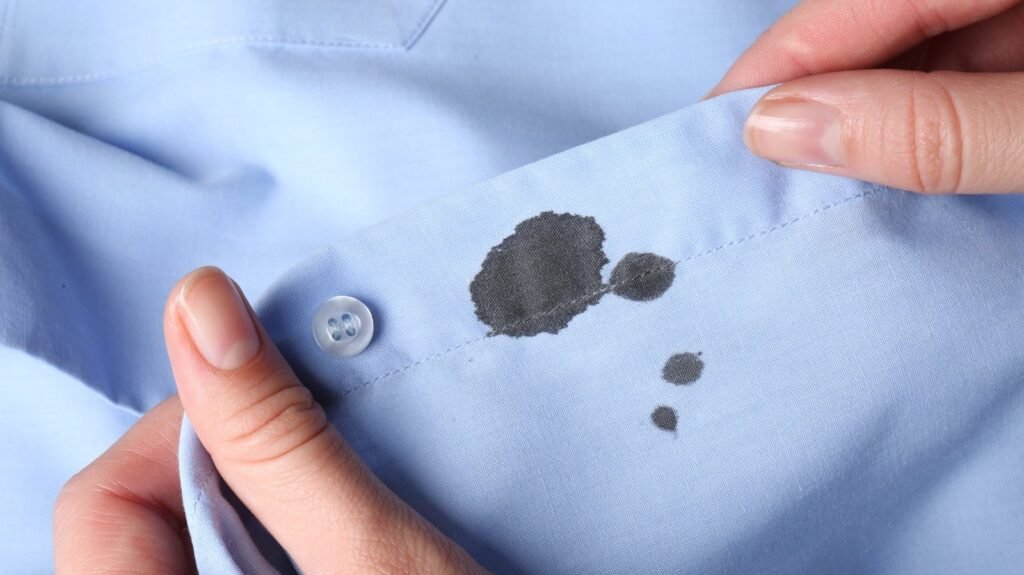
Coffee down the white shirt. Pasta sauce on the good pants. Mystery stain of unknown origin on the favorite dress. Your first instinct matters enormously here — the wrong move in the first sixty seconds can set a stain permanently, while the right move saves the garment. If you’re asking what is the best way to remove stains from clothes, here’s the universal system plus the specific tactics for the stains you’ll actually encounter. I’ve saved shirts I was sure were goners with these methods.
The Universal Stain Rules (Learn These First)
These apply to every stain, every fabric:
- Act fast. Fresh stains surrender; old stains negotiate. The first hour matters more than the product you use.
- Blot, never rub. Rubbing spreads the stain and drives it deeper into fibers. Blot from the outside in to contain it.
- Cold water first. Hot water sets protein stains (blood, egg, dairy, sweat) permanently. Always start cold; you can go warmer later if appropriate.
- Test in a hidden spot. Every cleaner, on every fabric, gets a test on an inside seam first. Bleach on the wrong fabric is worse than the stain.
- Don’t machine-dry until the stain is gone. Dryer heat sets stains permanently. Air-dry and inspect; repeat treatment if needed.
- Work from the back. For many stains, placing the stained side face-down on a clean cloth and treating from behind pushes the stain out rather than through.
Specific Stains, Specific Tactics
- Coffee/tea: blot, then flush with cold water. Apply liquid detergent or a paste of baking soda, let sit 15 minutes, rinse. For dried coffee, white vinegar helps dissolve it.
- Red wine: blot immediately, cover with salt or baking soda to draw it out (the salt turns pink as it works — that’s good). Then white wine or club soda, then wash. White wine neutralizing red wine is real chemistry, not a myth.
- Grease/oil: dish soap is the hero — it’s designed to cut grease. Apply directly, work in gently, let sit, then wash warm. For stubborn grease, baking soda or cornstarch absorbs oil before washing.
- Blood: COLD water only, always. Hydrogen peroxide on washable whites (test first). For dried blood, soak in cold salt water before treating.
- Sweat/yellowing: the classic white-shirt problem. Paste of baking soda + hydrogen peroxide + dish soap, applied to the area for 30 minutes before washing. Prevention (undershirts, antiperspirant drying fully before dressing) beats treatment.
- Ink: rubbing alcohol or hand sanitizer dabbed on (ballpoint), hairspray for some types. Don’t use water first on ink — it spreads.
- Grass: white vinegar or diluted bleach solution on whites; detergent paste on colors. Grass is a dye stain — treat it like one.
- Makeup/foundation: makeup remover or micellar water first (dissolves what water can’t), then dish soap, then wash.
- Tomato/pasta sauce: scrape off excess, cold water flush from behind, dish soap, then wash. The oil + pigment combo needs both degreasing and stain treatment.
The Spruce’s stain removal guide covers even more stain types with fabric-specific notes.
Your Stain-Fighting Kit
Keep these on hand and you’re ready for 95% of stains: dish soap (grease), baking soda (deodorizing, mild abrasive, oil absorption), white vinegar (dissolving, deodorizing), hydrogen peroxide (whites and blood — test first), rubbing alcohol (ink, sticky residues), a soft brush or old toothbrush (working cleaners in), and clean white cloths (blotting). Total cost: under $15. This kit also handles sneaker cleaning emergencies — the principles are identical.
Prevention: The Best Stain Remover
An apron while cooking (revolutionary, I know). Napkins actually used as napkins. Treating clothes with a fabric protector spray. Changing out of good clothes for messy tasks. And immediate action — the people who “never get stains” usually just treat them within minutes while everyone else discovers them in the laundry pile. Good Housekeeping’s stain removal encyclopedia is worth bookmarking for the weird ones.
When to Give Up (and When Not To)
Not every stain surrenders — know when to stop. Keep trying: the stain is fading with each treatment (progress means the chemistry is working — repeat 2–3 times). Take it to a professional: the garment is expensive or delicate (silk, wool, structured pieces), the stain is large or set, or home treatment isn’t working — dry cleaners have solvents you can’t buy. Tell them what the stain is and what you’ve tried; it matters. Accept and repurpose: the stain won’t budge on a casual piece — dye it darker, patch it fashionably, or relegate it to yard-work duty. Never: use chlorine bleach on colors or protein fibers (it yellows and weakens), mix bleach with vinegar or ammonia (toxic gas), or keep treating a garment you’ve already damaged worse than the stain. Sometimes the bravest stain-removal move is the scissors-to-rag-bag move.
Stain Prevention: The Daily Habits
The best stain treatment is never needing it. The apron rule: cooking, cleaning, crafting, kid-feeding — apron on. It’s not fussy; it’s smart. The napkin rule: actually use it — lap coverage during meals, immediate blotting of splashes. The change rule: good clothes come off for messy tasks; “I’ll be careful” is famous last words. The immediate-action rule: treat within minutes, not hours — keep a stain stick in your bag and the kit accessible at home. The fabric-protector rule: spray new light-colored clothes and upholstery — prevention you apply once. The acceptance rule: designate “good” and “everyday” clothes — the stratification means stains happen to the replaceable tier. Prevention isn’t paranoia; it’s the habit that keeps the good clothes good.
Stain Removal for Delicates
Silk, wool, cashmere, and embellished pieces need gentler handling. Rule one: when in doubt, take it to a professional — the dry cleaner’s solvents handle what home methods can’t, and the risk of home damage exceeds the cleaning cost. Rule two: never rub delicates — blot with minimal pressure. Rule three: cold water only, and test everything — silk water-spots, wool felts with agitation, cashmere pills with friction. Rule four: skip the DIY chemistry on expensive pieces — the baking soda paste that’s fine on cotton can abrade silk. Rule five: act fast but gently — the speed matters more than the strength of the treatment. The mindset: delicates are investments — treat the stain response as part of the investment. A $20 professional cleaning that saves a $200 blouse is the best stain-removal value there is.
The Practical Takeaway
Blot don’t rub, cold water first, never dryer-heat a stain, and match the tactic to the stain type. Build the $15 kit and keep it where you can reach it fast. Most “ruined” clothes weren’t ruined by the stain — they were ruined by the wrong first response. Now yours won’t be. The same care mindset applies to protecting clothes in storage — prevention beats rescue every time.






