Are Reusable Bags Actually Better Than Single-Use Plastic?
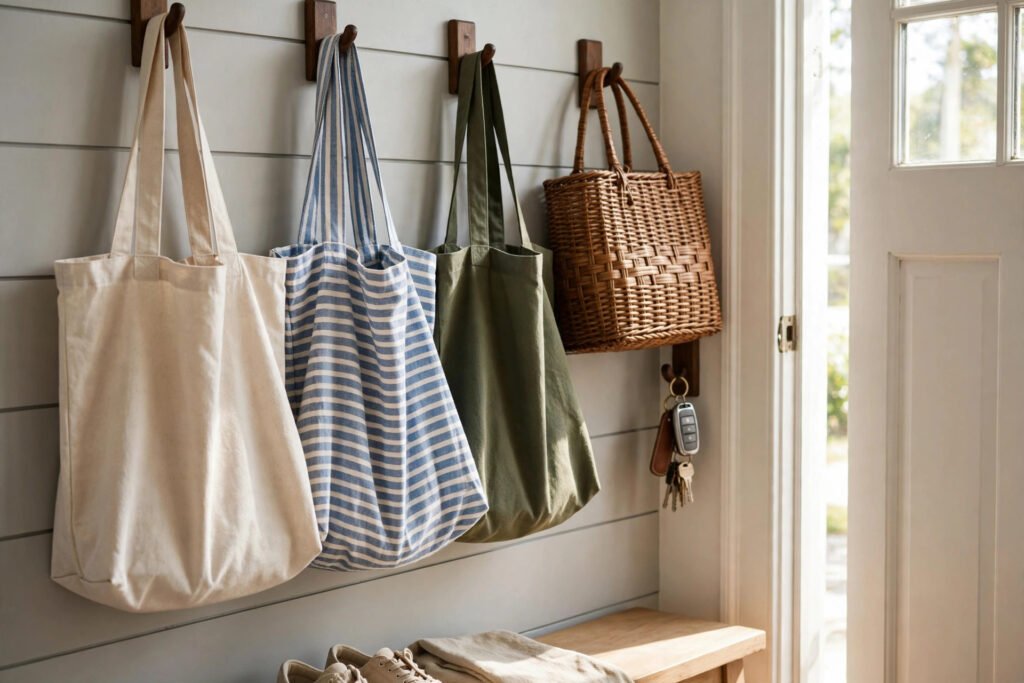
Every time you reach for a grocery bag, you’re making a small environmental decision that adds up fast. Americans use roughly 100 billion single-use plastic bags a year, and the average one is in your hands for about twelve minutes before becoming waste that can linger for centuries. Reusable bags were supposed to fix that. But then came the headlines claiming you need to use a cotton tote thousands of times before it beats plastic, and suddenly everyone felt confused. So what’s the real story?
The honest answer is more nuanced than the slogans on either side. Reusable bags can be dramatically better than single-use plastic — but only if you actually reuse them, and the math depends heavily on what the bag is made of. A thin recycled-plastic reusable bag that you use 40 times is a clear winner. A heavy organic cotton tote that you throw in a closet and forget about is arguably worse. Let’s walk through what the research actually says so you can make choices that genuinely help.
What “better” actually means: the life-cycle math
When scientists compare bags, they don’t just look at the checkout line. They run a life-cycle assessment, or LCA, that adds up every environmental cost: growing or drilling the raw materials, manufacturing, shipping, and end-of-life disposal. The results are usually measured in several categories at once — greenhouse gas emissions, water use, air pollution, and waste.
Single-use plastic bags (the thin HDPE ones) are cheap to make and light to ship, which is why their per-bag footprint looks small. The catch is volume: almost nobody reuses them meaningfully, and only a tiny fraction get recycled. In the US, the recycling rate for plastic bags and film is estimated at around 10 percent or less, and curbside programs generally won’t accept them because they jam sorting machinery. Most end up in landfills, and too many end up as litter — plastic bags are consistently among the most common items found in US beach cleanups.
A reusable bag made from recycled PET or woven polypropylene has a bigger footprint per bag because it uses more material. But spread over dozens or hundreds of uses, it wins comfortably.
The cotton paradox, explained
Here’s where people get tripped up. That “7,000 uses” figure you’ve probably seen came from a Danish EPA study with very specific assumptions, and it measured total environmental impact across many categories, not just carbon. Under those assumptions, an organic cotton tote had such high production impacts that it needed thousands of uses to break even with a single-use plastic bag. But that assumed the plastic bag was used once and the cotton bag’s production footprint included intensive farming. It’s a worst-case comparison, not a verdict on your tote.
The practical takeaway: don’t buy new cotton totes to be green. The greenest bag is the one you already own. If you have a drawer full of canvas totes from conferences and stores, use those — every use improves their math. Buying a brand-new heavy cotton bag specifically for groceries is one of the least effective things you can do.
How many times do you actually need to reuse a bag?
This is the question that matters, and the answer depends on the material:
- Thin reusable plastic bags (recycled PET or woven polypropylene): roughly 10–50 uses to beat single-use on most impact measures. Use them for a year of weekly shopping and you’re well past breakeven.
- Sturdier “bag for life” style: similar range, often under 20 uses.
- Conventional cotton totes: around 50–150+ uses on climate impact. A tote you use twice a week for two years (about 200 uses) clears the bar.
Notice how achievable those numbers are — if the bag actually gets used. The real environmental disaster is the reusable bag that never gets reused. Surveys have found that many Americans own a pile of reusable bags but forget them at home, then buy more reusable bags at checkout. That’s the worst of both worlds: higher production impact with single-use behavior.
The forgetting problem: how to actually remember your bags
The science is clear that reuse frequency is everything, so the most impactful thing you can do is build the habit. A few tactics that genuinely work:
- Keep bags where the trip starts, not where it ends. Store them by the front door, in the car, or clipped to your everyday tote — not in a kitchen drawer.
- The “bag of bags” rule. After unpacking groceries, immediately put the bags back in the car or by the door. Don’t leave it for later.
- Keep a compact one on you. A foldable nylon bag in your purse, backpack, or jacket pocket covers the impulse stops.
- Don’t accumulate more. Decline free totes at events if you already have plenty. One survey found the average American household owns far more reusable bags than it could ever wear out.
It also helps to wash your reusable bags occasionally — food safety experts recommend it, especially for bags that carry meat or produce. A quick machine wash keeps them usable for years, which is exactly what the math needs.
What about bag bans and fees — do they work?
Over a dozen US states plus hundreds of cities now have some form of plastic bag ban or fee, and the evidence suggests they work when designed well. California’s statewide ban, in place since 2016, cut plastic bag litter significantly in coastal cleanups. Studies of bag fees (typically 5–10 cents) show they change behavior fast — Ireland’s pioneering levy in 2002 cut plastic bag use by about 90 percent within months.
The main criticism is the “trash bag effect”: when people lose free grocery bags, some buy dedicated plastic trash-can liners, which are thicker. Research from economists has found this offset is real but modest — the net reduction in plastic is still strongly positive. Paper bag use also tends to rise under plastic bans, which is why the best policies (like New Jersey’s) target single-use paper too and push people toward actual reuse.
The verdict: what should you actually do?
Here’s the hierarchy, from best to worst, based on the research:
- Use the reusable bags you already own, every time. This beats everything else.
- If buying new, choose recycled-plastic or polypropylene bags — they hit breakeven fastest.
- Use cotton totes you already have — just actually use them, for years.
- Reuse single-use bags as trash liners or for other purposes before discarding.
- Recycle plastic bags at store drop-off bins (not curbside) when they’re worn out.
- Don’t buy new cotton totes for the sake of being green — and don’t hoard bags you won’t use.
So are reusable bags actually better than single-use plastic in America? Yes — with one big condition: you have to reuse them. The bag itself is only half the equation. The other half is the habit. Master the habit of bringing your bags, use what you already own, and stop accumulating new ones, and the math lands firmly in your favor. For more ways to shrink your household footprint, see our guide on traveling more sustainably and reducing your footprint, and if you’re auditing your whole kitchen, our piece on cutting food waste in your kitchen pairs well with this one. The EPA’s page on reducing, reusing, and recycling is a solid authority reference, and the EPA’s Trash-Free Waters program documents how bag litter affects American waterways.
Frequently Asked Questions
How many times must I reuse a cotton tote to beat plastic?
On climate impact, most life-cycle studies put the breakeven around 50–150 uses for a conventional cotton tote, though the strictest analyses (measuring all environmental impacts) go much higher. A tote used twice weekly for two years clears even the tough estimates.
Are the thicker “reusable” plastic bags from stores actually better?
Yes, provided you reuse them. Woven polypropylene and recycled-PET bags typically break even with single-use plastic after roughly 10–20 uses — easy to hit with weekly grocery runs over a few months.
Is paper better than plastic?
Not clearly. Paper bags generally have higher climate and water impacts to produce, though they biodegrade and don’t create microplastic pollution. Reusing any bag you get beats choosing between single-use options.
Should I wash my reusable grocery bags?
Yes, periodically. Food safety experts recommend washing bags that carry raw meat or produce to prevent bacterial cross-contamination. Most fabric bags are machine-washable; wipe down plastic-lined ones with hot soapy water.
Do plastic bag bans actually reduce waste?
The evidence says yes. Jurisdictions with bans or fees consistently see large drops in single-use bag consumption and bag litter, with only a modest offset from people buying thicker trash liners.