
How Can I Reduce Food Waste in My Kitchen
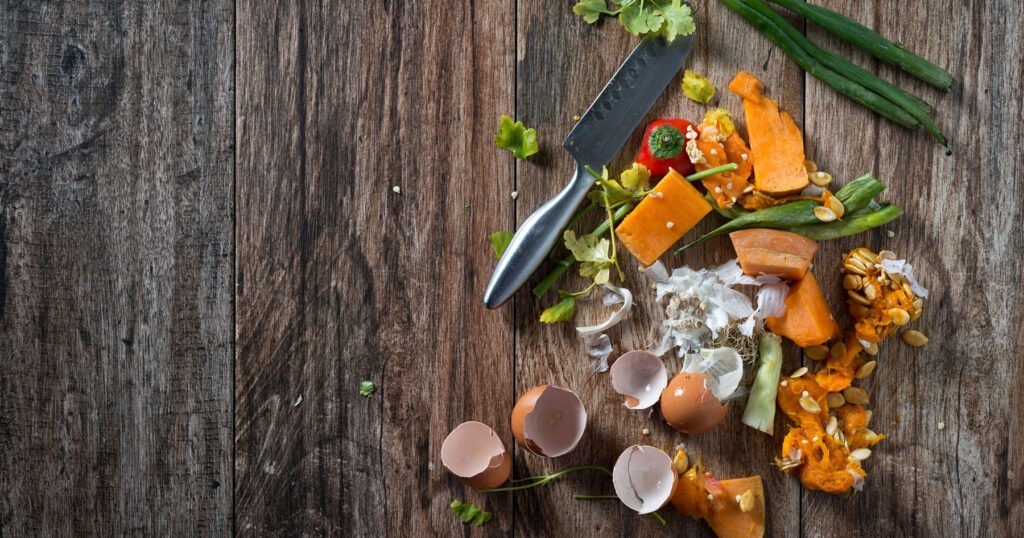
The average American family throws away over $1,500 worth of food every year — roughly a quarter of what they buy. I know this because I used to be aggressively average at it: the wilted lettuce, the leftovers that became science experiments, the “best by” panic that sent perfectly good food to the trash. Then I got systematic about waste, and our trash output dropped by more than half while our grocery bill fell noticeably. Reducing food waste isn’t about deprivation — it’s about using what you buy.
Here’s how to reduce food waste in your kitchen, from shopping to storage to creative cooking.
How Can I Reduce Food Waste in My Kitchen?
Food waste happens at three stages: buying too much (or the wrong things), storing it badly (so it spoils before you use it), and not using what you have (leftovers ignored, odd bits discarded). Attack all three and waste plummets.
Stage 1: Shop Smarter
- Meal plan before shopping. Even a rough plan — “Monday: tacos, Tuesday: pasta…” — prevents the aimless buying that causes waste. Our meal prep cost guide shows how planning cuts both waste and spending.
- Shop with a list, eat before you go. The two oldest grocery rules work because they’re true — hungry, listless shopping is how impulse produce dies in your crisper.
- Buy less, shop more often. Two smaller trips beat one giant haul for perishables. The “big weekly shop” model practically guarantees some things spoil before you reach them.
- Be realistic about your week. Buying vegetables for seven home-cooked dinners when you’ll eat out three nights is planning to waste. Match purchases to reality.
- Embrace “ugly” produce. Misshapen fruits and vegetables taste identical and often cost less. Some stores discount them; farmers’ markets practically give them away.
- Check what you have first. The “shop your kitchen” habit — checking fridge, freezer, and pantry before making the list — prevents duplicate buying, the number-one cause of spoilage.
Stage 2: Store It Right
Most food spoils early because of bad storage, not age:
- Learn your fridge zones: coldest at the back of lower shelves (dairy, meat), door is warmest (condiments only — not milk or eggs, despite the built-in holders), crisper drawers with humidity control (high humidity for vegetables, low for fruits).
- Separate ethylene producers from ethylene-sensitive foods. Bananas, apples, avocados, and tomatoes emit ethylene gas that ripens (then rots) nearby produce. Keep them away from leafy greens, herbs, and peppers.
- Store herbs properly — the bouquet method for tender herbs triples their life. Our herb storage guide covers every type.
- Use the freezer aggressively. Bread, cheese, butter, herbs, cooked grains, sauces, raw meat — almost everything freezes well. Label and date everything; mystery freezer bags get thrown out, labeled ones get used. A chest freezer is the waste-fighter’s best appliance.
- First in, first out: when unpacking groceries, move older items to the front. The “eat me first” box in the fridge — one designated container for items nearing their limit — is brilliantly effective.
Stage 3: Cook Creatively (Use Everything)
The waste-killer’s mindset: every ingredient has a second life.
- Vegetable scraps → stock: keep a freezer bag for onion ends, carrot peels, celery tops, herb stems, mushroom stems. When full, simmer into free, delicious stock.
- Stale bread → everything: breadcrumbs, croutons, French toast, bread pudding, panzanella. Stale bread is an ingredient, not garbage.
- Wilting vegetables → soup, stir-fry, or frittata: heat forgives wilt. The one-pot meals and easy weeknight dinners guides are full of “clean out the fridge” recipes.
- Overripe fruit → smoothies, banana bread, compote: brown bananas are better for baking than fresh ones. Overripe berries make excellent sauce.
- Leftover rice → fried rice: day-old rice makes better fried rice than fresh — another case where “old” is actually ideal.
- Chicken carcass → stock: a roast chicken’s second act. Simmer with the vegetable scrap bag for liquid gold.
- Cheese ends → grate into pasta, soups, or omelets: the rind of parmesan simmers into soups beautifully (remove before serving).
Understand Date Labels (Stop Throwing Away Good Food)
Date labels are the number-one cause of unnecessary waste, because they’re widely misunderstood:
- “Best by” / “Best if used by”: quality suggestion, not safety. The food is fine after this date — it just might not be at peak.
- “Sell by”: for the store’s inventory management, not for you. Still good for days after (longer for many items).
- “Use by”: the only label with safety implications, and even then primarily for infant formula (the one federally regulated use-by).
- “Expires on”: take more seriously, but still use your senses.
Trust your senses over labels: look (mold? discoloration?), smell (sour? off?), taste a tiny bit if the first two pass. Humans evolved excellent food-safety senses — the sniff test is genuinely reliable for most foods. Eggs: the float test (sink = fresh, stand = use soon, float = discard). Milk: smell it. Yogurt: weeks past its date is often fine if it smells and tastes normal.
Compost the Truly Unusable
Some waste is unavoidable — peels, cores, coffee grounds, eggshells. Composting converts it from landfill methane (food waste in landfills is a major greenhouse gas source) into garden gold. Options: backyard bin or tumbler ($50–$150, easiest if you have yard space), vermicomposting (worm bin — odorless, works indoors, fascinating for kids), municipal curbside composting (check availability — many cities now offer it), or countertop electric composters ($300–$500, convenient but pricey). Even without composting, coffee grounds and eggshells go directly into garden beds.
Track and Measure
For one week, write down everything you throw away. It’s eye-opening — patterns emerge immediately (always the lettuce, always the leftovers from Thursday). Then fix the pattern: buy less lettuce, plan Thursday’s meal around using leftovers. “Use it up” meals once a week — a designated night for eating whatever needs eating — institutionalize the habit. Some families do “fridge clean-out Fridays” with stir-fry, soup, or grain bowls. It becomes a fun creative challenge rather than a chore.
Practical Takeaway
Plan meals and shop with a list, store food in the right conditions (fridge zones, ethylene separation, aggressive freezing), cook scraps and leftovers into new meals, understand that date labels are mostly about quality not safety, compost what’s truly done, and track waste for a week to find your patterns. Cutting food waste in half saves the average family $750+ yearly — and it’s one of the most impactful environmental actions a household can take. Nothing wasted, everything used. Feeding America connects surplus food with communities in need if you want your excess to help others.






