
What Is the Best Way to Store Fresh Herbs So They Last Longer
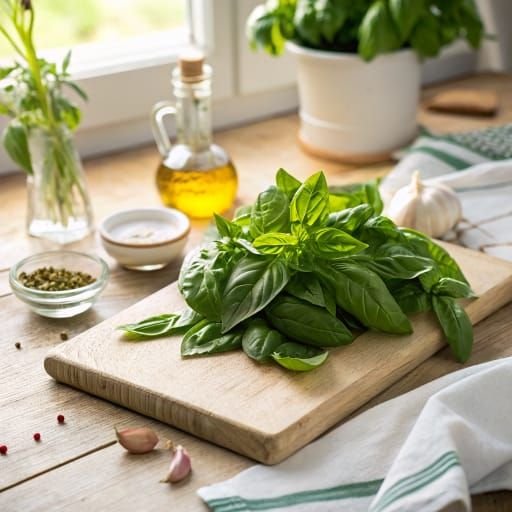
Fresh herbs are the fastest way to make food taste alive — but they’re also the fastest way to waste $4. You buy the beautiful bunch of cilantro, use a quarter of it, and find the rest as brown slime three days later. I’ve thrown away more herbs than I care to admit, until I learned that different herbs need fundamentally different storage. The trick isn’t one method — it’s matching the method to the herb.
Here’s the best way to store fresh herbs so they last longer — often 2–3 weeks instead of 3–4 days.
What Is the Best Way to Store Fresh Herbs So They Last Longer?
Herbs fall into two categories with opposite needs: tender herbs (cilantro, parsley, basil, dill, mint, tarragon) have soft stems and leaves and behave like fresh flowers — they want water. Woody herbs (rosemary, thyme, oregano, sage, chives) have firm stems and want to stay dry and wrapped. Storing a tender herb like a woody one (or vice versa) is why they die so fast.
Tender Herbs: The Bouquet Method
For cilantro, parsley, dill, and mint:
- Trim the stems — cut about an inch off the bottom, just like flowers. This opens the stems to absorb water.
- Place upright in a jar with 1–2 inches of water, stems submerged, leaves above the waterline.
- Cover loosely with a plastic bag (a produce bag works perfectly) — this creates a humid microclimate while allowing some airflow. Secure loosely with a rubber band.
- Refrigerate (except basil — see below) and change the water every 2–3 days.
This method keeps cilantro and parsley fresh for 2–3 weeks — I’ve had parsley last nearly a month. The water change is the step people skip; stagnant water breeds the bacteria that cause slime.
Basil is the exception: it’s tropical and hates the cold — refrigeration blackens the leaves within days. Store basil using the bouquet method but keep it at room temperature, out of direct sunlight, with the bag cover. It lasts 7–10 days on the counter. If your kitchen is very warm, the fridge is still better than letting it wilt — but room temp is ideal.
Woody Herbs: The Damp Towel Method
For rosemary, thyme, oregano, sage, and chives:
- Don’t wash them yet — moisture on the leaves accelerates decay. Wash just before using.
- Wrap loosely in a slightly damp paper towel — damp, not wet. The towel provides humidity without the standing water that rots woody stems.
- Place in a zip-top bag or airtight container, leaving it slightly open or unsealed for airflow. Sealed airtight with moisture inside creates a rot chamber.
- Refrigerate in the crisper drawer.
This keeps woody herbs fresh for 2–3 weeks. Check the towel every few days — if it’s drying out, re-dampen; if it’s soggy, replace it.
The Herb Saver Products (Worth It?)
Herb keeper containers ($10–$20 — Prepara, Progressive, and similar brands) are essentially purpose-built versions of the bouquet method: a water reservoir with a basket insert and a vented lid. They work well and look tidy in the fridge, but a mason jar and a produce bag achieve 95 percent of the result for free. Buy one if you use a lot of herbs and want the convenience; skip it if the jar method is working.
What About Drying and Freezing?
When herbs are approaching their limit, preserve rather than waste:
- Freezing (best for most herbs): chop tender herbs, pack into ice cube trays with olive oil or water, freeze, then transfer cubes to freezer bags. They keep for 6 months and drop directly into soups, sauces, and sautés. Basil pesto frozen in cubes is a gift to your future self.
- Drying (best for woody herbs): tie rosemary, thyme, and oregano in small bundles and hang upside down in a dry, dark spot for 1–2 weeks. Crumble into jars. Home-dried woody herbs are dramatically better than store-bought.
- Herb butter or salt: mix chopped herbs into softened butter or coarse salt, refrigerate or freeze. Compound butter with herbs improves everything from steak to vegetables — see our perfect stovetop steak guide for the ideal use case.
Buying and Growing Tips
At the store: choose bunches with perky, vibrant leaves — avoid yellowing, wilting, or slimy stems. Smell them; fresh herbs should smell strongly of themselves. Farmers’ markets often sell herbs cut that morning — they last noticeably longer than supermarket bunches that traveled for days.
Growing your own is the ultimate solution: a sunny windowsill supports basil, mint, chives, and parsley year-round. A $3 plant replaces endless $4 bunches. Mint deserves its own pot — it aggressively takes over shared planters. For outdoor growing, our guide to building a raised garden bed includes herb-friendly designs.
Common Mistakes
- Washing before storing: the number-one killer. Wash just before use, not before storage.
- Sealing wet herbs airtight: trapped moisture = rot. Damp towel yes, wet + sealed no.
- Refrigerating basil: cold damage blackens it. Room temperature only.
- Storing near ethylene producers: keep herbs away from apples, bananas, and onions — the ethylene gas accelerates decay.
- Ignoring the water: the bouquet method fails without fresh water every few days.
Reviving Wilted Herbs (The Ice Water Trick)
Before you throw out slightly wilted herbs, try this: trim the stems and plunge them into ice water for 15–30 minutes. Tender herbs like cilantro, parsley, and mint often perk up dramatically — the cold water rehydrates the cells and restores crispness. It won’t save herbs that are slimy or discolored (those are done), but for merely limp ones, it’s remarkably effective. I’ve rescued countless bunches of cilantro this way. Think of it as herb CPR: worth attempting before declaring them dead.
Practical Takeaway
Treat tender herbs (cilantro, parsley, dill, mint) like flowers — trimmed stems in water, bag-covered, refrigerated, water changed regularly. Keep basil the same way but at room temperature. Wrap woody herbs (rosemary, thyme, oregano, sage) in a damp towel in a breathable bag in the fridge. Don’t wash before storing, and freeze or dry herbs before they turn. These methods take five minutes and triple your herbs’ lifespan — the $4 bunch finally earns its keep. Better Homes & Gardens’ herb guides cover growing your own for an endless supply.






