
How Can I Make Restaurant-style Pizza at Home
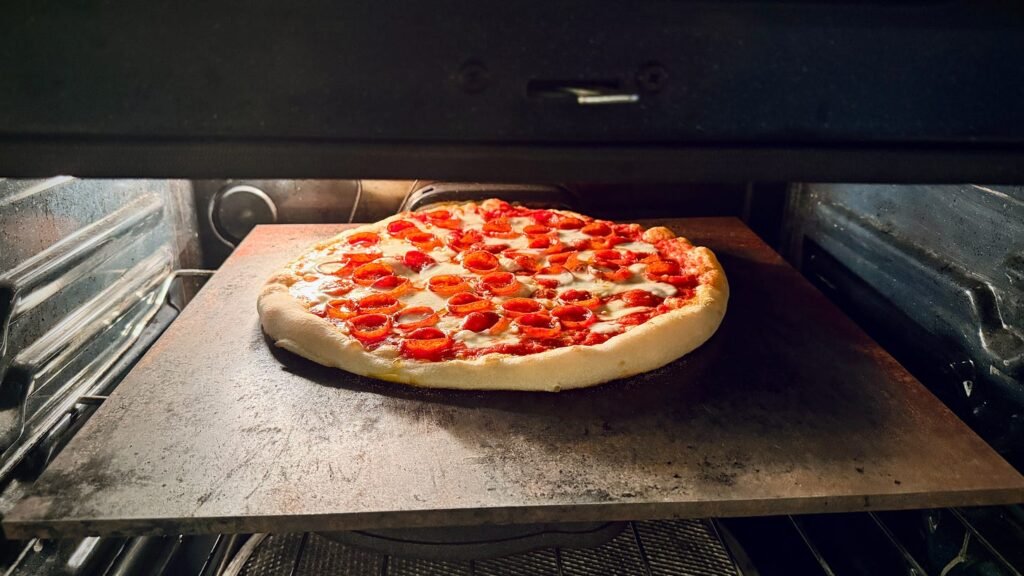
Restaurant pizza has that magic combination: a crust that’s crisp on the outside, chewy inside, with those beautiful charred spots (leopard spotting, the pizzaiolos call it), and toppings that taste alive rather than soggy. For years my homemade pizzas were… fine. Bready, a little pale, toppings sliding off. Then I learned that great home pizza isn’t about a wood-fired oven — it’s about heat, dough hydration, and restraint with toppings. Now my homemade pizza beats most delivery, and costs about $3 per pie.
Here’s how to make restaurant-style pizza at home with a regular oven.
How Can I Make Restaurant-Style Pizza at Home?
Three things separate restaurant pizza from typical homemade: intense heat (pizza ovens hit 800–900°F; your oven maxes around 500–550°F — you compensate with steel and preheating), proper dough (high hydration, long fermentation), and minimal toppings (less is genuinely more). Nail these three and the rest is details.
The Dough: Where Great Pizza Starts
Forget the quick 1-hour doughs — they’re the reason homemade pizza tastes bready. Slow fermentation develops flavor and texture that fast dough can’t match. My go-to recipe:
- 500g bread flour (about 4 cups — bread flour’s higher protein creates chew; all-purpose works but bread flour is better)
- 325g water (65% hydration — wetter dough = airier crust; it feels sticky at first, trust the process)
- 10g salt (2%)
- 3g instant yeast (less than 1 tsp — slow fermentation needs less yeast)
- 15g olive oil (optional — adds tenderness)
Method: Mix until shaggy, rest 20 minutes (autolyse), knead 8–10 minutes until smooth and elastic. Then cold-ferment in the fridge for 24–72 hours — this is the magic step. The slow, cold rise develops complex flavor and a beautifully open crumb. Divide into 250–280g balls (makes four 10–12 inch pizzas), and let them come to room temperature for 2 hours before shaping.
No time? A same-day dough with more yeast (7g) and a 2–3 hour room-temperature rise works — it’s 80 percent as good, which is still better than delivery. But the cold ferment is what makes it restaurant-level.
Shaping: The Gentle Touch
Press from the center outward, leaving a 1-inch border untouched — that border becomes your puffy crust (cornicione). Never use a rolling pin — it crushes the air bubbles you spent days developing. Stretch the dough over your knuckles, letting gravity do the work, rotating as you go. If it springs back, let it rest 10 minutes and try again — the gluten needs to relax.
Transfer to a floured pizza peel (or parchment paper — the beginner’s cheat that works perfectly). Shake the peel before topping — if the dough doesn’t slide freely, it won’t slide into the oven, and that’s a disaster. Add more flour or semolina underneath until it moves.
Heat: Maximizing Your Home Oven
This is the critical equipment piece: a pizza steel ($80–$120 for 3/8-inch thick). Steel transfers heat far faster than a stone, giving you the oven-spring and charred bottom that define great pizza. Place it on the top rack (heat rises — the top is hottest) and preheat at your oven’s maximum temperature for a full hour. The steel needs to be screaming hot.
No steel? An upside-down cast iron skillet or heavy baking sheet, preheated the same way, works surprisingly well. A pizza stone is the classic option — good, but slower to transfer heat than steel, so preheat it even longer. What doesn’t work: putting pizza on a cold pan in a barely-preheated oven. Heat is everything.
Bake time: 5–8 minutes at max temp. The pizza is done when the crust is puffed and spotted, the cheese is bubbling with browned spots, and the bottom is crisp. Finish under the broiler for 60–90 seconds if you want extra char on top — watch it like a hawk; broilers go from perfect to burnt in seconds.
Sauce and Toppings: Restraint Wins
Sauce: the best pizza sauce is barely cooked — crushed San Marzano tomatoes (canned, $3–$4) with salt, a drizzle of olive oil, and maybe a pinch of oregano. That’s it. No cooking, no simmering — the oven does the cooking. Use 1/3 cup per pizza, max — oversaucing is the number-one homemade pizza mistake.
Cheese: low-moisture whole-milk mozzarella ($4–$5 per pound), torn or shredded by hand — pre-shredded cheese contains anti-caking starch that prevents proper melting. Use 4–6 ounces per pizza. Fresh mozzarella is wonderful but watery — if using it, tear and drain it well first, and use sparingly.
Toppings rule: less is more. Three toppings maximum, applied sparingly. A soggy pizza is almost always an overloaded pizza. Pre-cook watery vegetables (mushrooms, peppers), use thin-sliced meats, and add delicate toppings (fresh basil, arugula, prosciutto) after baking. The classic Margherita — sauce, mozzarella, basil, olive oil — exists because simplicity wins.
Common Problems, Fixed
- Soggy center: too many toppings, too much sauce, or oven not hot enough. Reduce toppings, preheat longer.
- Pale, bready crust: underheated steel/stone, or dough that didn’t ferment long enough. Preheat a full hour; try the cold ferment.
- Toppings slide off: too much cheese or sauce creating a slippery layer. Less of both.
- Burnt bottom, raw top: steel too hot relative to oven air temp — move steel down one rack position.
- Dough tears when shaping: gluten not relaxed — rest 10 minutes and retry. Or the dough is too cold — let it warm up fully.
For reheating leftovers (there won’t be many), our guide to reheating pizza without sogginess keeps day-two slices crisp. And if pizza night needs a side, a simple salad with our fresh herb storage tips keeps basil vibrant for topping.
Pizza Night Workflow
Timing matters when making multiple pizzas. Shape and top one pizza at a time — topped dough sitting on the peel absorbs moisture and sticks. While one bakes (5–8 minutes), shape the next. Keep the oven door closed as much as possible between pizzas, and give the steel 5 minutes to recover heat between bakes. For a crowd, par-bake crusts (2 minutes on the steel, no toppings) earlier in the day, then top and finish when guests arrive — it turns pizza night from stressful to effortless.
Practical Takeaway
Make a high-hydration dough and cold-ferment it 24–72 hours, shape gently without a rolling pin, bake on a screaming-hot pizza steel at max oven temp, and top with restraint — light sauce, hand-torn low-moisture mozzarella, three toppings max. It’s a $3 pizza that beats $25 delivery, and once you’ve had real homemade pizza, there’s no going back. Serious Eats’ pizza lab dives deep into the food science behind every technique here.







1 thought on “How Can I Make Restaurant-style Pizza at Home”