
What Are the Best One-pot Meals for Beginners
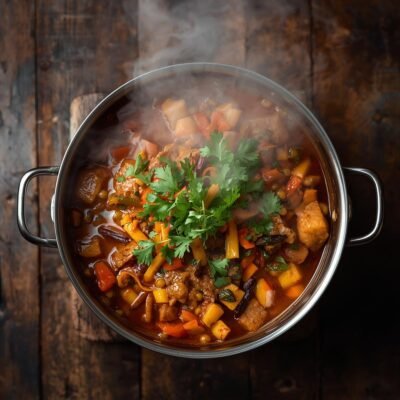
One-pot meals are the weeknight cook’s best friend: everything cooks together, flavors meld beautifully, and cleanup is a single pot. But “one-pot” covers a lot of territory — from 20-minute skillets to slow-simmered stews — and beginners often don’t know where to start. I’ve cooked my way through dozens of one-pot recipes, and the best ones for beginners share traits: forgiving timing, simple ingredients, and techniques you’ll reuse forever.
Here are the best one-pot meals for beginners — each one teaches you something while feeding you well.
What Are the Best One-Pot Meals for Beginners?
The ideal beginner one-pot meal: under 10 ingredients, one cooking vessel, 45 minutes or less (with a few slow-cooker exceptions), hard to mess up (forgiving of imprecise timing), and genuinely delicious (not “good for a beginner” — actually good). Every recipe below clears that bar.
1. One-Pot Pasta (The Gateway)
If you make one recipe from this list, make this one. Everything — pasta, sauce ingredients, water — goes in the pot together. The starch from the pasta thickens the sauce automatically, creating a silky result that tastes like it took hours.
Basic formula: 12 oz pasta + 4 cups water or broth + 1 can crushed tomatoes + aromatics (garlic, onion) + protein (sausage, chicken) + vegetables + cheese. Bring to a boil, reduce to a simmer, stir occasionally, 12–15 minutes. Done.
Variations: Taco pasta (taco seasoning, black beans, corn, cheddar), alfredo-style (cream, parmesan, chicken, broccoli — add cream at the end), puttanesca-style (olives, capers, anchovies if you’re brave). The method is the lesson — once you understand it, you can improvise endlessly.
2. Chili (The Forgiving Classic)
Chili is nearly impossible to ruin — it only gets better with time and improvisation. Brown 1 lb ground beef or turkey (or skip meat for vegetarian), add diced onion and garlic, then 2 cans beans (kidney, black — drained), 1 can crushed tomatoes, 2 tablespoons chili powder, 1 teaspoon cumin, salt. Simmer 30 minutes (or 4 hours on low in a slow cooker). Taste and adjust.
Beginner advantages: no precise timing, every ingredient is flexible, leftovers improve overnight, and it freezes perfectly. Top with cheese, sour cream, scallions, or cornbread. White chicken chili (chicken, white beans, green chiles, cumin) is the lighter variation worth trying second.
3. Chicken and Rice (The Comfort Bowl)
Sear seasoned chicken thighs in the pot, remove, sauté onion and garlic in the drippings, add 1.5 cups rice and toast 1 minute, add 3 cups broth, return chicken, cover and simmer 20 minutes. Rest 10 minutes. The rice absorbs the chicken drippings and broth — every grain is flavorful.
Key technique learned: toasting rice before adding liquid (it keeps grains distinct), and the finger-knuckle method for liquid ratios if you’re ever without a recipe. Variations: lemon-herb (add lemon zest and thyme), Spanish-style (paprika, peas, bell pepper), coconut (coconut milk instead of broth, ginger, lime).
4. Hearty Soup (The Batch-Cook Champion)
Soup is the most forgiving cooking there is — it’s hard to make bad soup from good ingredients. Formula: aromatics (onion, carrot, celery) sautéed in oil + broth + main ingredients + simmer 30–45 minutes.
Beginner-friendly soups: chicken noodle (the classic — use rotisserie chicken to skip cooking raw poultry), lentil soup (red lentils + carrots + cumin + lemon — cheap, nutritious, delicious), potato leek (blend half for creaminess without cream), minestrone (whatever vegetables need using — the ultimate fridge clean-out). Soup teaches layering flavors (sauté aromatics first, season in stages) and adjusting at the end (acid, salt, herbs).
5. Skillet Dinners (The 25-Minute Wonders)
A large skillet or Dutch oven handles these weeknight heroes:
- Shakshuka: eggs poached in spiced tomato sauce — 25 minutes, $5, looks stunning. (Also in our easy weeknight dinners.)
- Chicken pot pie skillet: chicken, frozen mixed vegetables, cream sauce, topped with biscuit dough or puff pastry — all the comfort, none of the pie-crust stress.
- Sausage and white bean skillet: browned sausage + white beans + kale + garlic + broth — 20 minutes, one pan, deeply satisfying.
- Stir-fry: technically one-pan — hot, fast, endlessly variable. The technique (high heat, don’t crowd) transfers to dozens of dishes.
6. Slow Cooker Dump Meals (The Morning-Prep Miracle)
For days when even 30 minutes at night is too much: salsa chicken (chicken + salsa + taco seasoning, 4 hours high — shred for tacos), pulled pork (pork shoulder + BBQ sauce + onion, 8 hours low), beef stew (the set-and-forget classic), curry (coconut milk + curry paste + chicken + vegetables — tastes like takeout). Morning effort: 10 minutes. Evening effort: zero.
Essential Equipment (Minimal)
You need exactly two vessels to make everything above: a Dutch oven or large heavy pot (5–7 quart — the single most versatile cooking vessel; $60–$350 depending on brand, but even budget ones work brilliantly), and a large skillet (12-inch, cast iron or stainless). A slow cooker ($30–$60) is the optional third piece. That’s the entire one-pot arsenal — don’t let anyone sell you more.
Beginner Principles That Apply Everywhere
- Brown first, simmer after. Searing protein and sautéing aromatics before adding liquid builds the flavor foundation. This one habit separates bland from delicious.
- Season in layers. Salt the protein, salt the aromatics, salt the finished dish — tasting and adjusting at each stage. One big salt dump at the end doesn’t distribute the same way.
- Acid at the end. A squeeze of lemon or splash of vinegar in the last minutes brightens everything — it’s the difference between “good” and “wow.”
- Don’t lift the lid constantly. Every peek releases heat and steam, extending cook time. Trust the process.
- Rest grains. Rice and similar need 10 minutes off heat with the lid on to finish steaming — skipping this gives you wet, uneven grains.
Practical Takeaway
Start with one-pot pasta (the technique teaches itself), graduate to chili and chicken-and-rice (forgiving and flexible), batch-cook soups (the ultimate meal prep), master a few skillet dinners for speed, and deploy the slow cooker on chaotic days. Two vessels — a Dutch oven and a large skillet — handle everything. The real lessons aren’t the recipes; they’re browning first, seasoning in layers, finishing with acid, and trusting the process. Learn those, and you’re not a beginner anymore. And if you love the batch-cooking mindset, our meal prep cost guide for a family of four shows how one-pot cooking scales into a full weekly system. Budget Bytes has hundreds of tested one-pot recipes with per-serving cost breakdowns.






