
What Are the Best Healthy Snacks for Kids Lunchboxes
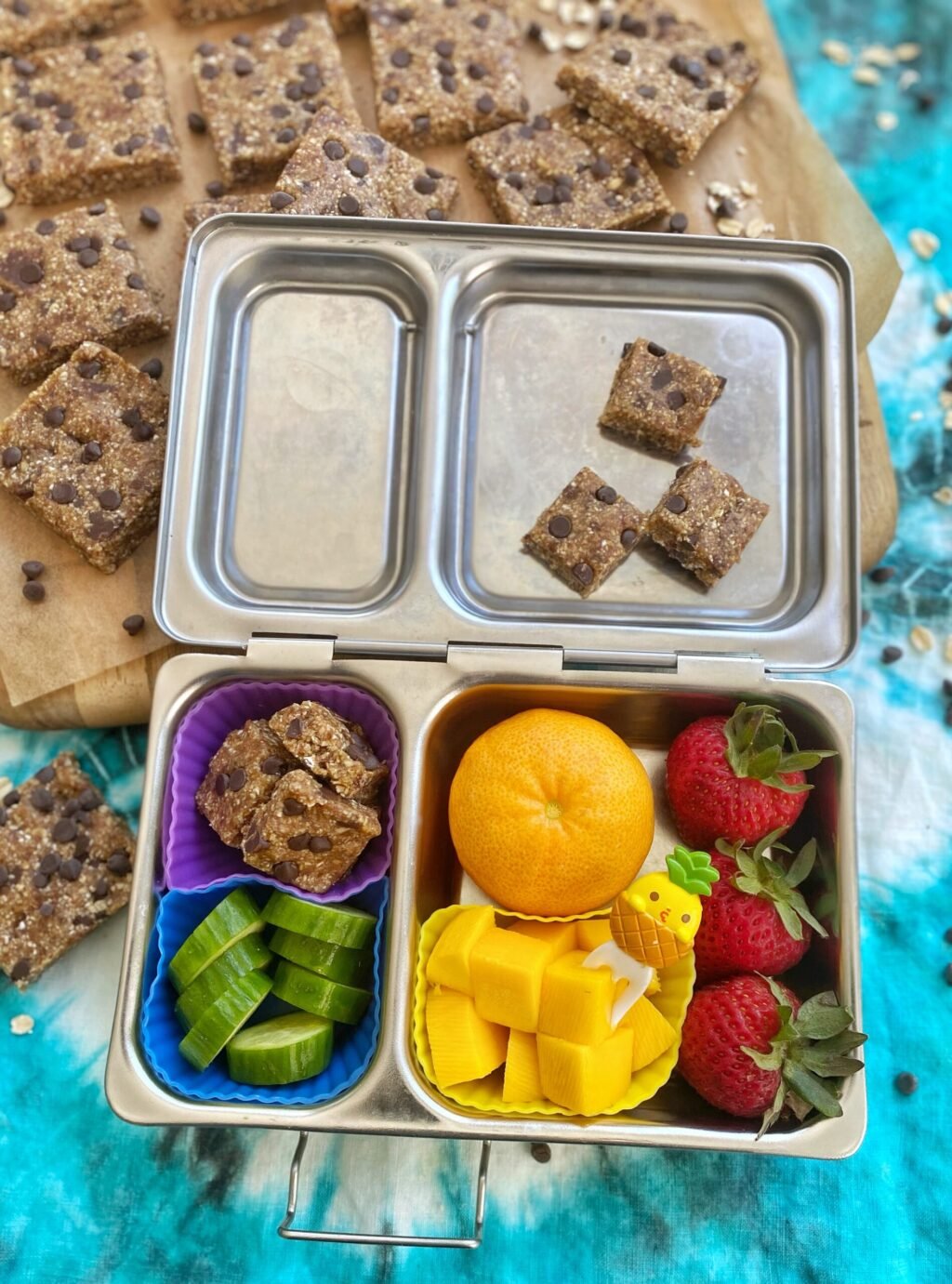
Packing a kids’ lunchbox is a daily puzzle: it needs to be healthy enough that you feel good about it, appealing enough that it actually gets eaten (not traded or trashed), sturdy enough to survive a backpack, and easy enough that you’re not spending 30 minutes every morning. I’ve packed thousands of lunchboxes, and I’ve learned that the “perfect” healthy snack is worthless if the kid won’t eat it. The real goal is healthy snacks kids will actually finish.
Here are the best healthy snacks for kids’ lunchboxes — organized by type, with the practical details that matter.
What Are the Best Healthy Snacks for Kids Lunchboxes?
The ideal lunchbox snack formula: protein or healthy fat + fiber + something fun. Protein and fat keep kids full through the afternoon (preventing the 3 p.m. crash-and-burn), fiber aids digestion, and the “fun” element ensures it gets eaten. A lunchbox of pure carbs — crackers, fruit snacks, juice — spikes blood sugar and leaves kids hungry an hour later.
Fruits (Nature’s Fast Food)
- Apples and peanut butter: slice apples, toss with a squeeze of lemon (prevents browning), pack a small container of peanut butter for dipping. Protein + fiber + fun.
- Bananas: nature’s perfect packaging — no container needed, no browning, no mess. Pair with a cheese stick for staying power.
- Berries: strawberries, blueberries, raspberries — pack in a small container. They’re sturdy enough for lunchboxes and kids love the sweetness.
- Grapes (frozen): freeze them overnight — they thaw by lunchtime, stay cold (keeping the lunchbox cool), and taste like candy. Halve grapes for kids under 4 — whole grapes are a choking hazard.
- Clementines/mandarins: easy to peel, no mess, naturally portioned. The ultimate lunchbox fruit.
- Apple slices with cinnamon: the cinnamon makes them taste like a treat while adding zero sugar.
Vegetables (The Ones Kids Actually Eat)
Let’s be realistic — raw broccoli isn’t winning any lunchbox awards. The vegetables kids reliably eat:
- Baby carrots and hummus or ranch: the dip is non-negotiable for most kids. Individual hummus cups are perfect for lunchboxes.
- Cucumber rounds: mild, crunchy, refreshing. Sprinkle with a tiny bit of salt.
- Cherry tomatoes: sweet like candy. Halve for younger kids.
- Snap peas and bell pepper strips: sweet, crunchy, dippable. The sweetness matters — bitter vegetables lose.
- Edamame (shelled, lightly salted): fun to eat, packed with protein. A lunchbox standout.
The dip strategy: almost any vegetable becomes lunchbox-viable with the right dip. Hummus, ranch, guacamole, or peanut butter — pack dips in small leak-proof containers.
Protein-Packed Snacks
- Cheese sticks or Babybel: individually portioned, no refrigeration worries for a few hours (use an ice pack in warm weather), and kids love the unwrapping ritual.
- Hard-boiled eggs: peel at home, sprinkle with a tiny bit of salt. The cheapest protein in the lunchbox.
- Turkey or ham roll-ups: deli meat rolled around a cheese stick or pickle spear. Simple, protein-dense, no bread needed.
- Yogurt tubes or pouches: freeze them — they thaw by lunch and keep everything else cold. Choose low-sugar varieties (under 10g per serving).
- Roasted chickpeas: crunchy, savory, high in protein and fiber. Toss with olive oil and salt, roast at 400°F for 25 minutes. They stay crunchy for days.
- Trail mix (homemade): nuts, seeds, dried fruit, a few dark chocolate chips. Control the ratios — store-bought versions are often candy in disguise. Check school nut policies first — many schools are nut-free.
Whole Grains and Crunchy Snacks
- Popcorn: air-popped with a little salt or nutritional yeast — whole grain, high fiber, kids love it. Pack in a bag; it stays crunchy for hours.
- Whole-grain crackers with cheese: DIY Lunchables without the processed meat and price markup.
- Oatmeal energy balls: oats + peanut butter + honey + mini chocolate chips, rolled into balls. No baking, endlessly customizable, and they taste like cookie dough.
- Pita chips and hummus: sturdier than regular chips for dipping, whole-grain options available.
- Rice cakes with toppings: plain rice cakes are boring; topped with cream cheese and everything-bagel seasoning or peanut butter and banana, they’re a legitimate snack.
What to Avoid (or Limit)
Fruit snacks and gummies: candy with a health halo — check the sugar (often 12g+ per tiny pouch). Juice boxes: even “100% juice” is sugar water without fiber; send water instead (add frozen berries for flavor). Chips and cheese crackers: fine occasionally, but they’re salt and refined carbs with no staying power. Granola bars: read labels ruthlessly — many have more sugar than a candy bar. Look for under 8g sugar with at least 3g protein and 3g fiber.
The Weekly System (Save Your Sanity)
Daily lunchbox assembly burns out fast. Instead: prep on Sunday — wash and cut vegetables into containers, portion trail mix and popcorn into bags, hard-boil a dozen eggs, make energy balls. Each morning becomes assembly, not cooking: grab one item from each category, done in 5 minutes. Keep a running list on the fridge of what worked — kids’ preferences change, and the list prevents the morning “what do I pack?” panic.
Involve the kids in choosing (from your pre-approved options) — children eat what they helped select. A weekly “pick your snacks” session on Sunday takes 10 minutes and dramatically reduces uneaten returns. And check what comes home: the uneaten items are data, not failures — adjust accordingly.
For the main lunch (not just snacks), our guide to meal prepping for a family of four covers batch-cooking strategies that extend to lunches. If picky eating is the core challenge, see meal planning for picky eaters.
Practical Takeaway
Build lunchbox snacks on the protein/fiber/fun formula: fruits with staying-power pairings (apples + peanut butter, frozen grapes), dippable vegetables kids actually eat, protein anchors (cheese, eggs, yogurt, roll-ups), and whole-grain crunchies. Prep components on Sunday for 5-minute morning assembly, involve kids in choosing, and watch what comes home uneaten — that’s your feedback loop. Healthy only counts if it gets eaten, so let the empty lunchbox be your guide to what works. HealthyChildren.org from the American Academy of Pediatrics offers evidence-based nutrition guidance for school-age kids.






