How to Compost in an Apartment With No Outdoor Space
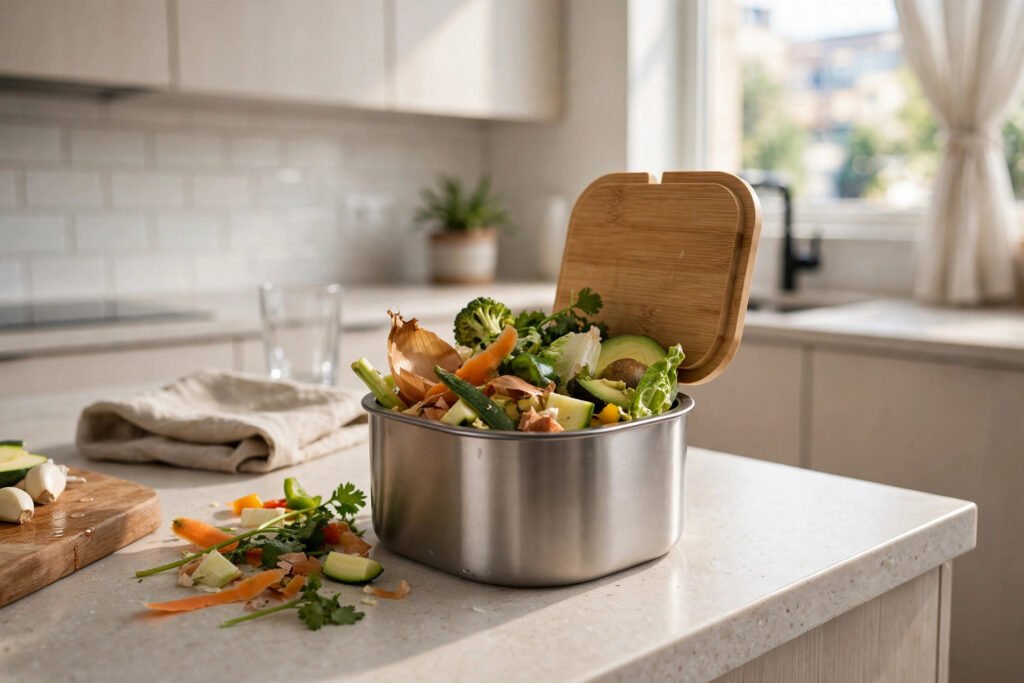
You want to compost, but you live in an apartment with no balcony, no yard, and no outdoor space of any kind. Maybe your building doesn’t allow it, or you’re on the fifth floor with nothing but a fire escape. Here’s the good news: indoor composting is absolutely doable, it’s not gross, and when done right, it doesn’t smell. Thousands of apartment dwellers across America are already doing it.
The key is picking the right method for indoor life. Outdoor composting relies on big piles, airflow, and space — none of which you have. Indoor methods are designed around the opposite constraints: small footprint, no odor, and minimal mess. Let’s go through your real options, what each costs, and how to avoid the classic beginner mistakes.
Option 1: Vermicomposting (worm bin) — the apartment gold standard
A worm bin is exactly what it sounds like: a container of red wiggler worms that eat your food scraps and turn them into some of the best fertilizer on Earth. It sounds weird. It works beautifully.
How it works
You keep a shallow bin (a plastic tote or a purpose-built stacking tray system) filled with damp shredded newspaper or coconut coir bedding. You add vegetable scraps, the worms eat them, and every few months you harvest dark, crumbly “castings” that plants love. A well-maintained bin has no foul smell — it smells like fresh soil, because that’s essentially what it is.
What you need
- A bin: a DIY plastic tote with air holes costs under $20; manufactured stacking systems run $80–$150.
- Red wigglers (Eisenia fetida): about a pound (roughly 1,000 worms) for $30–$50 online. These are composting worms, not earthworms — regular garden earthworms won’t thrive indoors.
- Bedding: shredded newspaper, cardboard, or coconut coir.
What to feed them (and what not to)
Worms love: fruit and vegetable scraps, coffee grounds and filters, tea bags (remove staples), crushed eggshells, plain bread and grains in moderation. Avoid: meat, dairy, oils, and large amounts of citrus or onions — these cause odor and can harm the worms. Bury food under bedding each time; exposed food is what attracts fruit flies.
The honest downsides
You have to share your home with worms (they stay in the bin — they’re not escape artists if conditions are right). Harvesting castings takes some effort. And if you overfeed, you’ll get fruit flies — the number-one apartment composting complaint, and entirely preventable with proper burying and not overloading.
Option 2: Bokashi — fermentation for small spaces
Bokashi is a Japanese method that ferments food waste (including meat and dairy, unlike worm bins) in a sealed bucket using inoculated bran. It’s arguably the most apartment-friendly method because the bucket is airtight — zero smell, tiny footprint, and it fits under a sink.
How it works
You layer food scraps with bokashi bran in the bucket, press it down, and seal the lid. Every few days you drain a spigot of nutrient-rich liquid (“bokashi tea”) that you dilute and use as plant fertilizer. After about two weeks of fermenting, the pre-compost needs to finish breaking down — traditionally buried in soil, which apartment dwellers don’t have.
The apartment catch — and the fix
Fermented bokashi isn’t finished compost; it needs a second stage. No-yard solutions include: mixing it into a large planter or storage tote of soil on a windowsill (it finishes in 2–4 weeks), donating it to a community garden, or combining bokashi with a worm bin — worms love pre-fermented scraps. Many city dwellers use community compost drop-off programs; the EPA’s recycling resources can help you find local options.
Option 3: Electric countertop composters
Devices like these dehydrate and grind food scraps into a dry, soil-like material in hours. They’re the most effortless option: scrape your plate, close the lid, press a button.
Pros and cons, honestly
Pros: no smell, no flies, no worms, handles most food scraps, tiny learning curve. Cons: they cost $300–$500+, use electricity, and the output isn’t technically finished compost — it’s dehydrated food that still needs to cure in soil before plants can use it safely. Critics also note the energy use undercuts some environmental benefit. They’re convenient, not magical.
Option 4: Community composting and curbside pickup
Before buying anything, check what’s around you. Many American cities now offer curbside organics collection or free drop-off sites — New York City has expanded curbside composting, San Francisco has had it for years, and dozens of other cities have programs. Community gardens often accept scraps. Services like local compost pickup companies will take a sealed bucket from your door weekly for a small fee.
This is genuinely the easiest path: you collect scraps in a freezer bag or countertop pail (freezing scraps = zero smell, zero flies) and hand them off. No equipment, no worms, no second stage. If your city offers it, start here.
The no-smell rules (whatever method you choose)
- Balance greens and browns. Food scraps (“greens”) need carbon-rich “browns” — shredded paper, dry leaves, cardboard. Too many greens without browns = smell. This is the cause of 90 percent of stinky bins.
- Keep it aerobic. Compost needs air. Don’t seal scraps in an airtight bag for weeks and expect freshness — use a ventilated countertop pail with a charcoal filter, or freeze scraps.
- Chop scraps small. Smaller pieces break down faster, which means less time sitting around smelling.
- Freeze your scraps. The single best apartment trick. A bag in the freezer holds scraps odor-free until you’re ready to process them.
- Don’t compost the wrong things. Meat, dairy, and oils in a worm bin or open container will smell and attract pests. Know your method’s limits.
What to do with finished compost in an apartment
This is the question everyone forgets to ask. Finished compost has to go somewhere:
- Houseplants. Top-dress your indoor plants — they’ll thrive. A little goes a long way.
- A windowsill or balcony garden. Even a few pots of herbs (see our guide on starting a garden on your balcony) can absorb a surprising amount.
- Give it away. Community gardens, neighbors with yards, and local gardening groups will often take it gladly.
- Guerrilla gardening. Top-dress the sad tree pits on your block. Your neighborhood will thank you.
Getting started this weekend: the simplest path
Don’t overthink it. The lowest-friction start: get a small countertop pail with a charcoal filter ($20–$30), start collecting scraps, and find your city’s drop-off or curbside program. If none exists and you want a self-contained system, get a worm bin — it’s the most proven indoor method, the cheapest long-term, and genuinely kind of fun. Pair it with reducing your kitchen food waste first, and you’ll be amazed how little trash you produce. For a bigger-picture look at shrinking your footprint, our guide to building a simple raised garden bed is useful if you ever get outdoor space.
For official guidance, see the EPA’s home composting guide.
Frequently Asked Questions
Will composting in my apartment attract bugs or smell?
Not if done right. Odor comes from imbalance (too many greens, not enough browns) or the wrong materials. A healthy worm bin smells like soil; bokashi buckets are sealed; frozen scraps don’t smell at all. Fruit flies are the main risk and are prevented by burying food under bedding.
How much does it cost to start composting indoors?
A DIY worm bin can start under $50 including worms. Bokashi kits run $50–$80. Electric composters are $300–$500+. Community drop-off is often free; curbside programs may add a small fee to your waste bill.
Can I compost meat and dairy indoors?
Only with bokashi or an electric composter. Never put meat or dairy in a worm bin — it causes odor, attracts pests, and can make the worms sick.
What if my landlord or HOA doesn’t allow composting?
Sealed indoor methods like bokashi or electric composters are usually fine since they’re odorless and pest-free — they’re essentially kitchen appliances. But check your lease, and community drop-off programs sidestep the issue entirely.
How long until I get usable compost?
Worm bins produce harvestable castings in 3–6 months. Bokashi ferments in two weeks but needs another 2–4 weeks finishing in soil. Electric composters produce a dry output in hours that still needs curing before use on plants.