First Signs of Illness in Cats: What Every Owner Must Know
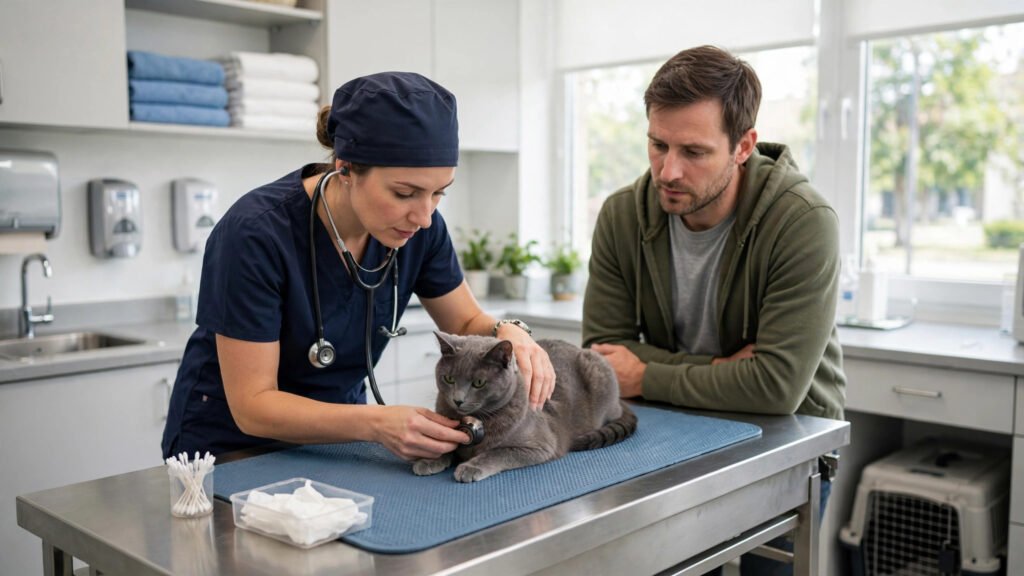
Cats are masters of hiding illness — it’s an evolutionary survival trait. In the wild, showing weakness invites predators, so domestic cats instinctively mask pain and sickness until they physically can’t anymore. By the time a cat is obviously, visibly ill, the problem is often advanced. This is why American veterinarians constantly emphasize that cat owners need to watch for subtle changes, not dramatic symptoms. The earliest signs of feline illness are whispers, and learning to hear them can add years to your cat’s life. Here’s what to watch for, organized by how urgently each sign needs attention.
The Subtle Shifts: Early Warning Signs Most Owners Miss
Changes in appetite or thirst
Eating slightly less, walking away from food, or conversely, suddenly ravenous — all worth noting. Increased thirst is one of the most important early markers in cats: drinking noticeably more water can signal kidney disease, diabetes, or hyperthyroidism, three of the most common conditions in middle-aged and senior cats. Measure roughly: more than about 100ml per kg of body weight daily (roughly 3.5 ounces per 5 pounds) is excessive.
Litter box changes
The litter box is a daily health report. More frequent urination, straining, crying in the box, or urinating outside it can indicate urinary tract disease — and straining without producing urine in a male cat is a life-threatening emergency (urinary blockage can kill within 24–48 hours). Changes in stool — persistent diarrhea, constipation, blood, or mucus — warrant attention within a day or two.
Activity and behavior shifts
The cat that stops greeting you, plays less, sleeps in new hiding spots, or becomes irritable when touched is communicating something. Cats in pain often become quieter and withdraw; some become uncharacteristically aggressive. Any sustained personality change in a cat deserves investigation, not dismissal as “just getting old.”
Grooming changes
A cat that stops grooming develops a dull, matted, or greasy coat — a classic sign of illness, mouth pain (grooming hurts), or nausea. Conversely, over-grooming creating bald patches signals stress, allergies, or pain in the over-groomed area. The coat is often the first visible indicator that something internal is wrong.
Weight changes
Gradual weight loss is the sneakiest sign of all — easy to miss under a fluffy coat. Weigh your cat monthly (a kitchen scale works for small cats; weigh yourself holding the cat, then subtract). Unexplained weight loss in a cat is never “just age” — it’s hyperthyroidism, kidney disease, diabetes, or dental pain until proven otherwise. This parallels human medicine, where early warning signs of diabetes include the same trio of increased thirst, appetite changes, and weight loss.
Red-Flag Symptoms: Act the Same Day
Some signs don’t wait for observation. Contact your vet immediately — or head to emergency — for: labored or open-mouth breathing (cats should never pant like dogs except after extreme exertion); repeated vomiting (more than 2–3 times in a day) or vomiting with lethargy; complete refusal of food for 24+ hours (cats risk fatty liver disease after just 2–3 days without eating, faster in overweight cats); sudden inability to use hind legs (possible saddle thrombus — a true emergency); seizures; pale or yellow gums; or any suspected toxin exposure. Both the AVMA’s feline health resources and VCA’s guide to early illness signs in cats stress the same point: with cats, earlier is always better.
The general principle for deciding urgency is the same one you’d apply to yourself: knowing when a symptom needs professional care comes down to severity, duration, and trajectory — and with cats, err on the side of calling sooner because they hide decline so well.
The Senior Cat Watch List (Age 11+)
Cats are living longer than ever — indoor cats routinely reach 15–18 years — which means age-related disease is the norm, not the exception. After age 11, watch specifically for: increased vocalization (especially nighttime yowling, which can signal hypertension, hyperthyroidism, or cognitive decline); jumping less or hesitating at heights (arthritis — extremely common and underdiagnosed in cats); and the weight-loss-plus-good-appetite pattern that’s classic hyperthyroidism. Senior cats benefit from twice-yearly vet exams with bloodwork — catching kidney disease or thyroid issues early, when they’re most manageable, is the entire point.
Monthly Home Health Checks (5 Minutes That Catch Problems Early)
Between vet visits, a simple monthly routine catches most feline issues while they’re small. Weigh: kitchen scale, same time of month — weight trends are the single most informative home metric. Hands-on body scan: run your hands over the whole body feeling for new lumps (note size and location), mats, flaky skin, or pain reactions. Mouth check: lift the lip — gums should be pink, teeth free of heavy tartar, breath not foul. Eyes and ears: clear eyes without discharge, clean ears without dark debris or odor. Coat and skin: part the fur in a few spots looking for redness, dandruff, or bald patches.
Pair this with the daily 10-second scan: appetite, water, litter box, energy. The combination — monthly hands-on plus daily observation — means you’ll notice the subtle shifts this article describes while they’re still subtle. Keep a notes log on your phone; “lump pea-sized on left flank, noticed March” turns a vague worry into trackable data your vet can act on. Early detection isn’t about anxiety — it’s about the calm confidence that comes from knowing your cat’s normal so well that abnormal can’t hide.
Building an Early-Detection Routine
You don’t need veterinary training — just a system. Monthly: weigh the cat and run your hands over her body feeling for lumps, mats, or pain reactions. Daily: note food intake, water intake, litter box output, and energy level — it takes ten seconds once it’s habit. Keep a simple notes log on your phone; “drinking more since Tuesday” is infinitely more useful to a vet than “she seems off.” Know your cat’s baselines: normal water intake, normal appetite, favorite sleeping spots. Deviation from baseline is the signal — and you’re the only one who knows the baseline.
Conclusion
Cats won’t tell you they’re sick — they’ll whisper it through a half-finished dinner, a new hiding spot, a duller coat, or a few ounces lost. The owners who catch illness early aren’t luckier; they’re observant about baselines and quick to act on subtle changes. Watch the appetite, the water bowl, the litter box, and the behavior. When in doubt, call the vet — with cats, “probably fine” is a diagnosis you should never make yourself.
Frequently Asked Questions
What is the first sign of illness in cats?
Usually subtle: slightly reduced appetite, hiding more, or decreased activity. Cats instinctively mask illness, so behavioral changes precede obvious physical symptoms.
How do I know if my cat is in pain?
Signs include withdrawal, reduced grooming, reluctance to jump, irritability when touched, squinted eyes, and changes in posture. Cats rarely cry out — look for behavior changes instead.
When should I take my cat to the vet immediately?
Labored breathing, repeated vomiting, male cat straining without urinating, sudden hind-leg paralysis, seizures, pale gums, or complete food refusal beyond 24 hours are emergencies.
Why is my cat drinking more water than usual?
Increased thirst commonly signals kidney disease, diabetes, or hyperthyroidism — all common in middle-aged and senior cats. Mention it to your vet promptly; early detection changes outcomes.
How often should senior cats see the vet?
Twice yearly with bloodwork after age 11. Senior cats develop age-related diseases that are far more manageable when caught early through routine screening.