
Early Warning Signs of Diabetes You Shouldn’t Ignore
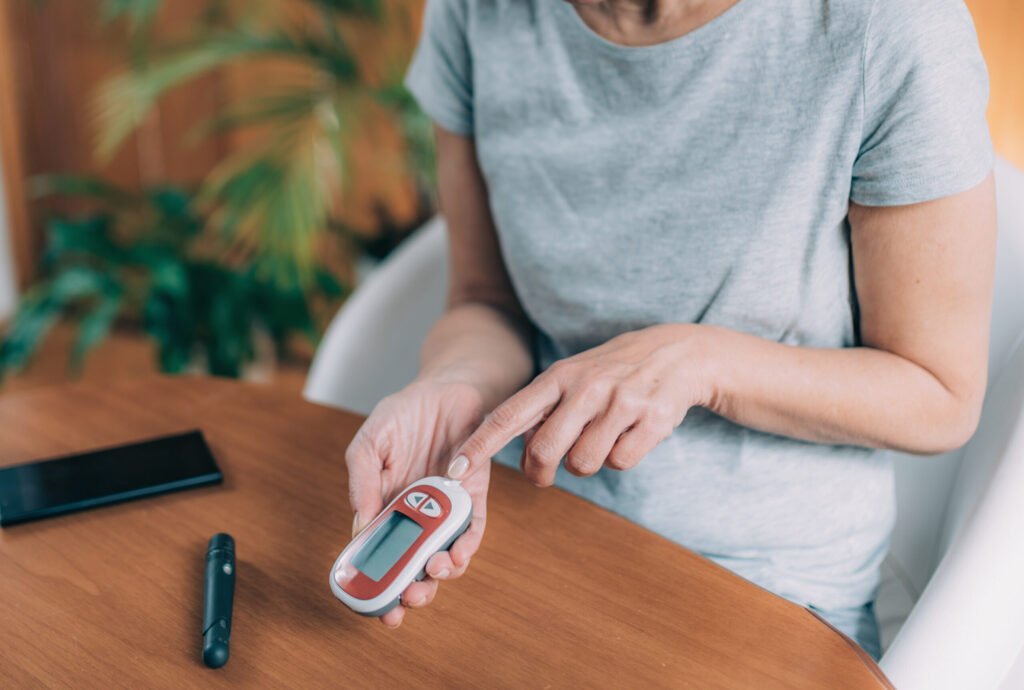
Most people don’t wake up one morning with diabetes. It creeps in quietly — a little more thirst here, a bathroom trip there — and by the time someone gets a diagnosis, their blood sugar may have been running high for months or even years. That’s why knowing what are the early warning signs of diabetes matters so much: catching it early can be the difference between managing it with lifestyle changes and dealing with serious complications down the road. I’ve watched family members brush off these symptoms as “just getting older” or “drinking too much coffee,” and I don’t want you to make the same mistake.
What Are the Early Warning Signs of Diabetes to Watch For?
The classic early signs all trace back to one problem: too much sugar hanging around in your blood instead of getting into your cells where it belongs. When glucose builds up, your kidneys work overtime to flush it out, and that sets off a chain reaction your body can’t hide.
The big ones to watch for:
- Constant thirst and frequent urination. If you’re suddenly drinking water like it’s your job and still feeling parched — especially waking up two or three times a night to pee — that’s a red flag. Your kidneys are pulling extra water to dilute and dump the excess sugar.
- Exhaustion that sleep doesn’t fix. When your cells can’t access glucose properly, you’re running on fumes no matter how much rest you get. If you’re wondering why you feel tired all the time even after sleeping, blood sugar trouble deserves a spot on the suspect list.
- Blurry vision. High blood sugar pulls fluid from the lenses of your eyes, which messes with your focus. Many people first notice it when road signs get fuzzy or reading glasses stop working like they used to.
- Cuts and bruises that heal slowly. A paper cut that lingers for two weeks or a scrape that looks angrier than it should can signal that excess sugar is interfering with circulation and your immune response.
- Tingling or numbness in hands and feet. Nerve damage from prolonged high blood sugar often starts as a pins-and-needles feeling in your extremities. Don’t write this one off.
The Sneakier Symptoms Most People Miss
Beyond the headline symptoms, diabetes has a quieter set of clues. Unexplained weight loss — dropping pounds without trying — happens because your body starts burning fat and muscle for fuel when it can’t use glucose. On the flip side, some people gain weight, especially around the middle, as insulin resistance ramps up. If that’s you, reading up on the best diet for losing belly fat is a smart parallel move.
Recurring infections are another overlooked sign. Yeast infections, urinary tract infections, and even gum infections that keep coming back can point to a sugar-rich environment where microbes thrive. Skin changes count too — dark, velvety patches around the neck or armpits (doctors call it acanthosis nigricans) are strongly linked to insulin resistance. Dry, itchy skin is common as well, since frequent urination dehydrates you from the inside out. Speaking of hydration, it’s worth double-checking how much water you should really drink each day so you can tell normal thirst from something more serious.
Type 1 vs. Type 2: Timing Matters
Type 1 diabetes symptoms tend to hit fast — over weeks — and can be severe, sometimes starting with nausea, vomiting, or fruity-smelling breath (a sign of diabetic ketoacidosis, which is an emergency). Type 2, which accounts for about 90–95% of cases, is the slow creeper. Symptoms build so gradually that plenty of people live with prediabetes or early type 2 for years without knowing. That’s exactly why the CDC’s list of diabetes symptoms stresses paying attention to subtle changes rather than waiting for something dramatic.
When to Get Checked (Don’t Wait for “Someday”)
Here’s my honest take: if two or more of these symptoms sound familiar, stop Googling and book a blood test. A simple A1C test measures your average blood sugar over the past two to three months — no fasting required — and it takes about five minutes at a lab. The American Diabetes Association recommends screening for most adults starting at age 35, and earlier if you carry extra weight or have a family history. Their symptom guide from the American Diabetes Association is a solid reference to bring to your appointment.
Early-stage type 2 diabetes and prediabetes are genuinely reversible territory. Diet changes, daily walks, and modest weight loss can bring blood sugar back into range for a huge number of people — but only if you catch it while your body is still cooperating. Waiting until you “feel really sick” wastes the window where the fixes are easiest.
Everyday Habits That Lower Your Risk
You don’t need a total life overhaul to push back against rising blood sugar — small, boring habits do most of the work. Walking after meals is one of the most powerful and least appreciated tools: even a 10–15 minute stroll blunts the post-meal glucose spike significantly, because your muscles soak up sugar directly. I started doing this after dinner instead of scrolling on the couch, and it’s the easiest health habit I’ve ever stuck with.
Food-wise, you don’t have to go keto or give up everything you enjoy. The pattern that shows up again and again in research is simple: more fiber, more vegetables, adequate protein, and fewer sugary drinks. Liquid sugar is the worst offender — your body barely registers those calories, but your blood sugar sure does. Swapping soda for sparkling water is a single change with an outsized payoff. Strength training twice a week matters too, since muscle is your largest glucose sink; more muscle means better blood sugar control around the clock.
Sleep and stress play their part as well. Short sleep raises cortisol, and cortisol raises blood sugar — it’s a direct line. If stress is your constant companion, lowering your stress levels naturally isn’t just good for your mood; it’s genuinely protective against metabolic trouble.
The Practical Takeaway
Your body usually whispers before it shouts. Constant thirst, extra bathroom trips, stubborn fatigue, blurry vision, slow-healing cuts, and tingling extremities are whispers worth listening to. You don’t need to panic — you need a $20 lab test and an honest conversation with your doctor. If the numbers come back fine, you’ve bought peace of mind. If they don’t, you’ve bought yourself time, and time is the one thing that makes diabetes easier to beat.






