
How to Handle Seasonal Allergies Without Drowsy Medicine
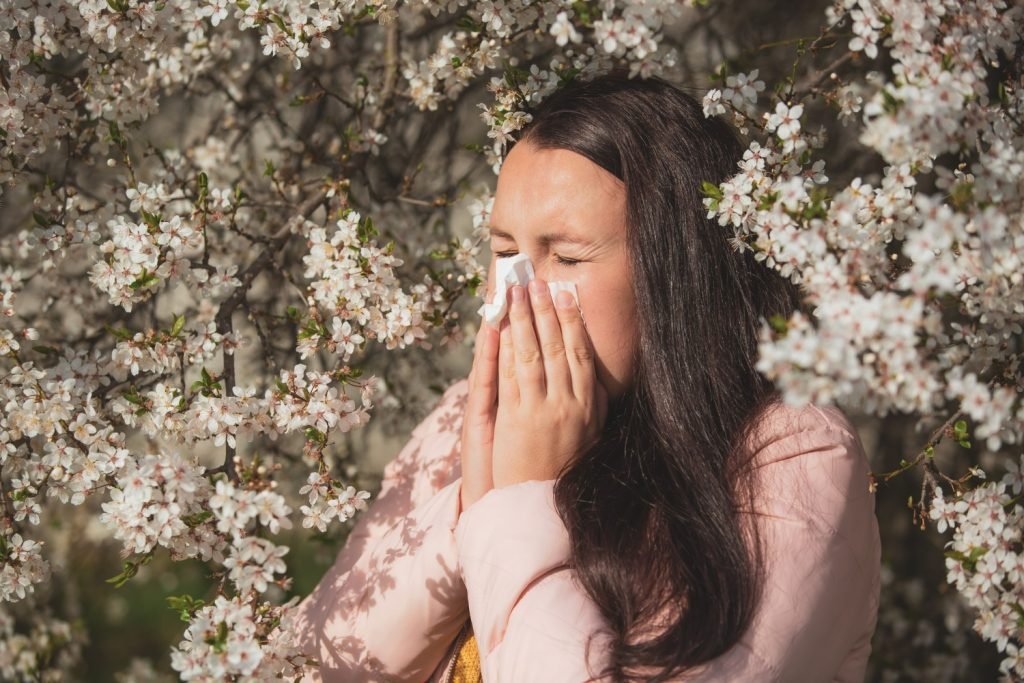
Every April, like clockwork, my nose turns into a leaky faucet and my eyes itch like I’ve been chopping onions. And every April, I stare at the allergy aisle knowing that the good stuff — the medicine that actually works — will knock me out cold by 2 p.m. If you’ve ever wondered how do I deal with seasonal allergies without drowsy medicine, you’re asking the right question, because zombie-mode antihistamines aren’t the only option. I’ve spent years testing the alternatives, and there’s a genuinely effective playbook that doesn’t require napping through spring.
How to Deal With Seasonal Allergies Without Drowsy Medicine
The trick is understanding that drowsiness mostly comes from first-generation antihistamines like diphenhydramine (Benadryl) and chlorpheniramine — the old-school pills that cross into your brain and sedate you. Second-generation options like loratadine (Claritin), cetirizine (Zyrtec), and fexofenadine (Allegra) are specifically designed to be non-drowsy for most people. If you haven’t tried switching generations, start there: for many folks, that’s the entire fix.
But pills aren’t the whole story. Nasal steroid sprays like fluticasone (Flonase) are, in my opinion, the most underrated weapon in the allergy arsenal. They target inflammation right where it happens, they don’t cause drowsiness at all, and allergists consistently rank them as more effective than oral antihistamines for congestion. The catch? You have to use them daily for a week or two before they hit full strength — they’re a routine, not a rescue.
Drug-Free Tactics That Actually Move the Needle
Medication aside, the biggest wins come from simply giving pollen fewer chances to reach you:
- Rinse your sinuses. A neti pot or saline squeeze bottle flushes pollen straight out of your nasal passages. It feels weird the first three times and then becomes weirdly satisfying. Use distilled or previously boiled water — this matters for safety.
- Time your outdoor hours. Pollen counts peak in the morning and on windy days. I moved my runs to the evening and my symptoms dropped noticeably. Checking your local pollen count takes ten seconds and tells you which days to stay in.
- Shower before bed. Pollen rides home in your hair and on your skin. A quick evening shower keeps it out of your pillowcase, which means you’re not marinating in allergens for eight hours. If your sleep is already suffering, learning to fall asleep faster without medication pairs well with this habit.
- Keep windows closed and filter the air. A HEPA air purifier in the bedroom is one of the best purchases I’ve made. During peak season, air conditioning beats open windows every time.
- Change clothes after being outside. Your jacket is a pollen delivery system. Toss outdoor clothes in the hamper instead of on the bedroom chair.
What About “Natural” Remedies?
Local honey gets all the hype, but the evidence is thin — the pollen in honey mostly comes from flowers, not the wind-blown trees and grasses that trigger allergies. Butterbur extract has some real research behind it, but quality varies wildly between brands. Quercetin, a plant compound found in onions and apples, shows modest promise in early studies. My take: these are fine as sidekicks, not quarterbacks. The American Academy of Allergy, Asthma & Immunology’s seasonal allergy guide backs up the rinse-and-avoid approach as genuinely effective, which is more than most supplements can claim.
Build an Allergy Season Game Plan
Here’s what actually works as a system: start your nasal steroid spray two weeks before your worst season historically begins. Keep a non-drowsy antihistamine on hand for breakthrough days. Rinse your sinuses in the evening, shower before bed, and run a HEPA filter while you sleep. Track which days are worst so you can spot your personal triggers — for me it’s oak pollen in April and ragweed in September, and knowing that lets me plan around it instead of suffering through it.
One more thing people forget: allergies wear down your immune system and your sleep, which makes everything else harder. Boosting your immune system during high-allergen months with decent sleep, regular movement, and real food genuinely reduces how miserable a bad pollen day feels. And if you need low-effort comfort on rough days, these self-care ideas that don’t cost money beat lying on the couch feeling sorry for yourself.
When Nothing Seems to Work
Sometimes you do everything right and still feel awful. If that’s where you are, don’t just suffer louder — escalate smarter. First, double-check the basics people get wrong: nasal sprays aimed at the outer wall of the nostril (not straight up the middle, which causes nosebleeds and poor absorption), antihistamines taken consistently rather than only on bad days, and actually replacing that HVAC filter you’ve been ignoring since last year.
Second, consider that your trigger might not be what you think. An allergist can run a skin prick or blood test to identify exactly which pollens, molds, or dust mites are setting you off — and the answer is often surprising. I assumed my spring misery was tree pollen; testing showed dust mites were half the problem, and encasing my pillows made a bigger difference than any pill ever had.
Third, ask about immunotherapy. Allergy shots or daily sublingual tablets gradually desensitize your immune system over three to five years, and for the right patient the results are dramatic — many people cut their medication use by half or more. It’s a commitment, but if you lose a month of every year to allergies, the math works out. The Mayo Clinic’s hay fever treatment overview lays out when immunotherapy makes sense versus sticking with medication.
The Practical Takeaway
You don’t have to choose between breathing and functioning. Switch to a second-generation antihistamine or a daily nasal steroid spray, add the rinse-shower-filter routine, and time your outdoor exposure around pollen peaks. If you’ve done all of that for a few weeks and you’re still miserable, that’s your signal to see an allergist — immunotherapy (allergy shots or sublingual tablets) can retrain your immune system over time, and for severe sufferers it’s genuinely life-changing. Spring is too short to spend it sedated.






