
What Is the Best Diet for Losing Belly Fat
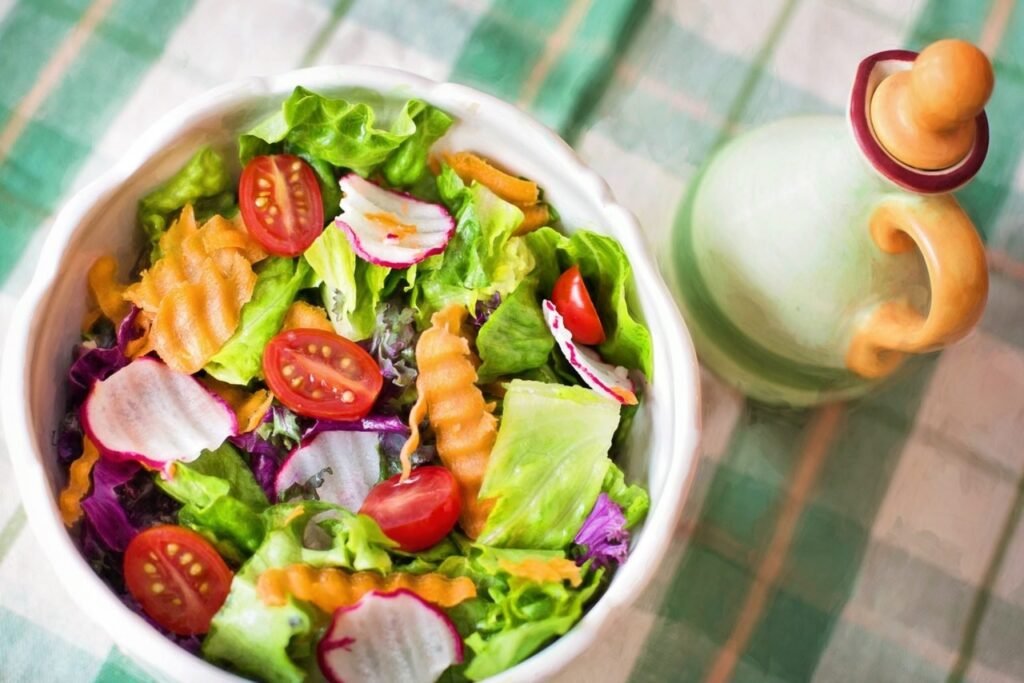
Belly fat is not just a cosmetic concern — visceral fat around your organs drives inflammation, insulin resistance, and cardiovascular risk. The good news: it is also the fat most responsive to the right changes. If you are asking what is the best diet for losing belly fat, here is what the evidence actually supports — no fad diets, no magic foods, just the nutritional strategy that works.
First, the truth nobody selling diet plans wants to admit: you cannot spot-reduce belly fat with specific foods or exercises. But you can create the conditions where your body preferentially burns visceral fat — and diet is the biggest lever.
What Is the Best Diet for Losing Belly Fat? The Core Principles
1. Moderate Calorie Deficit (The Non-Negotiable)
Belly fat loss requires eating slightly fewer calories than you burn — about 300-500 below maintenance daily. Aggressive deficits backfire: they spike cortisol (which specifically promotes belly fat storage), tank energy, and trigger rebound eating. Slow and steady — 1-2 pounds per week — wins.
2. Protein Priority
Aim for 0.7-1g of protein per pound of target body weight daily. Protein preserves muscle during fat loss (muscle keeps metabolism higher), increases satiety more than carbs or fat, and has the highest thermic effect — your body burns more calories digesting it. Eggs, Greek yogurt, chicken, fish, legumes, tofu.
3. Fiber Is the Secret Weapon
Soluble fiber — oats, beans, lentils, fruits, vegetables — specifically targets visceral fat in studies. It slows digestion, stabilizes blood sugar, feeds beneficial gut bacteria, and keeps you full. Aim for 25-35g daily; most Americans get half that. This alone moves the needle significantly.
4. Cut the Right Carbs, Not All Carbs
The enemy is not carbs — it is refined carbs and added sugars, especially liquid sugar and alcohol. Sugary drinks and alcohol are uniquely efficient at creating visceral fat. Whole grains, fruits, and legumes are allies. The distinction matters enormously.
5. Healthy Fats, Sensible Portions
Olive oil, avocados, nuts, fatty fish — monounsaturated and omega-3 fats support fat loss when they replace refined carbs and saturated fats. They are calorie-dense, so portions matter, but fearing them is outdated science.
Eating Patterns With the Best Evidence
- Mediterranean diet: the most studied eating pattern on earth — consistently linked to less visceral fat, better metabolic health, and lower disease risk; the default recommendation
- Higher-protein moderate-carb: effective for fat loss while preserving muscle, especially combined with resistance training
- Time-restricted eating (12-16 hour overnight fast): modest evidence for visceral fat reduction, mainly by reducing late-night eating — works well for some, not magic
- DASH-style eating: overlaps heavily with Mediterranean; excellent if blood pressure is also a concern (see foods that lower blood pressure)
What does not have special belly-fat evidence: keto (works through calorie deficit like everything else), detoxes, fat-burning supplements, and anything promising spot reduction.
The Lifestyle Multipliers
Diet is the foundation, but these multiply its effect on belly fat specifically:
- Resistance training 2-3x weekly: preserves muscle, improves insulin sensitivity — more impactful for belly fat than cardio alone
- Sleep 7-9 hours: short sleep spikes ghrelin (hunger) and cortisol (belly fat storage) — poor sleepers lose less fat on identical diets
- Manage stress: chronic cortisol directly promotes visceral fat; stress management is a fat-loss strategy, not just wellness fluff
- Limit alcohol: “beer belly” is real — alcohol pauses fat burning and adds empty calories; cutting back often produces visible results within weeks
- Walk daily: low-intensity movement improves insulin sensitivity and aids fat loss without spiking hunger like intense cardio can
A Sample Day
Breakfast: Greek yogurt with berries, oats, and walnuts. Lunch: large salad with grilled chicken, chickpeas, olive oil dressing. Snack: apple with almond butter. Dinner: baked salmon, quinoa, roasted broccoli. High protein, high fiber, no added sugar, genuinely satisfying — this is what sustainable fat loss eating looks like.
Setting Expectations
Visceral fat often shrinks before the scale moves dramatically — your waist measurement may drop while weight barely changes (muscle gain offsetting fat loss). Measure your waist monthly; it is the metric that matters. Expect visible changes in 4-8 weeks of consistency. And remember: the “best” diet is the one you can sustain for years, not the one that works fastest for 30 days.
The Harvard T.H. Chan School of Public Health offers excellent evidence-based nutrition guidance.
Why Belly Fat Is Dangerous: The Science
Understanding why visceral fat matters makes the effort feel worth it. Here is what is happening inside:
- Visceral vs. subcutaneous: subcutaneous fat (under the skin, pinchable) is relatively inert. Visceral fat (around organs, deep in the abdomen) is metabolically active — it functions almost like an endocrine organ, secreting inflammatory compounds directly into your system.
- The inflammation link: visceral fat releases cytokines (IL-6, TNF-alpha) that drive chronic low-grade inflammation — the common thread linking belly fat to heart disease, diabetes, and even certain cancers. This is why waist circumference predicts disease better than BMI.
- Insulin resistance: visceral fat dumps free fatty acids directly into the liver via the portal vein, impairing insulin sensitivity. This is the mechanistic core of how belly fat drives type 2 diabetes — it is not correlation, it is causation.
- Cardiovascular risk: the inflammation plus insulin resistance plus associated lipid changes create the perfect storm for arterial damage. Apple-shaped bodies carry measurably higher heart risk than pear-shaped at the same weight.
- The good news: visceral fat is the most responsive fat depot to lifestyle change — it mobilizes before subcutaneous fat when you create a calorie deficit and exercise. The most dangerous fat is also the first to go. Your body prioritizes removing it, which means early efforts pay disproportionate dividends.
- Measure what matters: waist circumference (under 40 inches for men, 35 for women as a general risk threshold) and waist-to-height ratio (under 0.5) track visceral fat far better than scale weight or BMI.
This is not about aesthetics — it is about the metabolically active tissue wrapped around your organs. Every inch off your waist is measurable risk reduction. That is worth the boring consistency the diet section describes.
This article is for informational purposes only and is not medical advice.
Related reading: diet is the foundation, but timing can optimize results — see the best time of day to exercise for weight loss.
The Bottom Line
Moderate calorie deficit, high protein, high fiber, minimal added sugar and alcohol, built on a Mediterranean-style foundation — plus resistance training, good sleep, and stress management. No magic, no spot reduction, no 30-day transformations. Just the boring, evidence-based approach that actually shrinks belly fat and keeps it off.
This article is for informational purposes only and is not medical advice.







1 thought on “What Is the Best Diet for Losing Belly Fat”