
How Can I Reduce Bloating After Meals
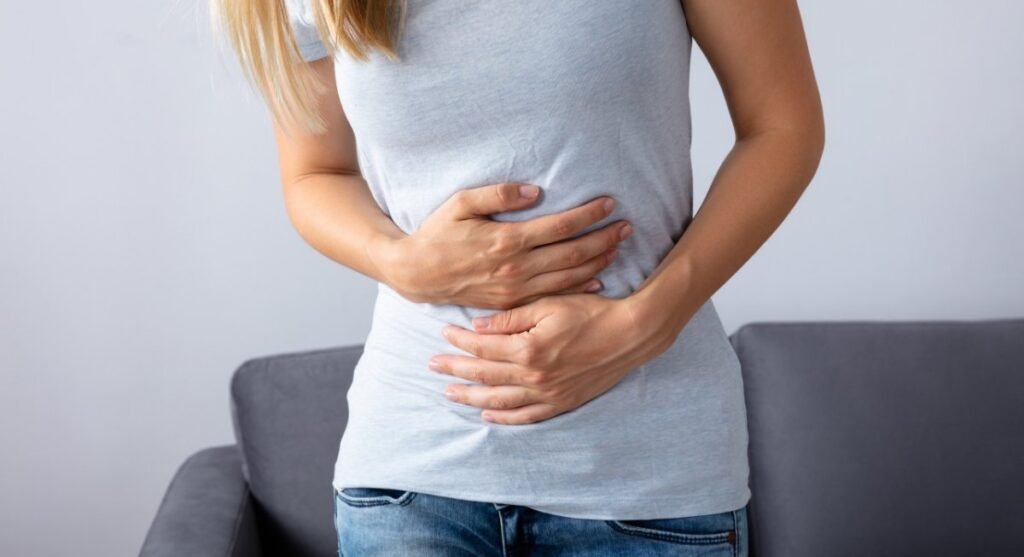
You finish a perfectly good meal, and within an hour your stomach feels like a balloon. Tight, uncomfortable, maybe a little embarrassing. Post-meal bloating is incredibly common — and usually fixable. If you are asking how can I reduce bloating after meals, here is what actually works, from immediate relief to the dietary changes that prevent it.
Occasional bloating is normal human digestion. Frequent, painful bloating deserves attention — and most of it responds to simple changes.
How Can I Reduce Bloating After Meals? Immediate Relief
- Take a 10-15 minute walk: gentle movement stimulates digestion and gas transit — the single most effective immediate remedy
- Peppermint tea: relaxes GI tract muscles; well-studied for bloating and IBS-type symptoms
- Ginger tea or chews: prokinetic — helps the stomach empty faster
- Abdominal self-massage: gentle clockwise circles following the colon’s path can move trapped gas
- Yoga poses: child’s pose, supine twist, and “wind-relieving pose” (yes, really) target bloating directly
- Warm compress: on the abdomen relaxes muscles and eases cramping
- Avoid the trap: do not lie flat immediately after eating — stay upright for at least 30 minutes
Eating Habits That Cause Bloating
Often it is not what you eat but how:
- Eating too fast: swallowing air is a top bloating cause — slow down, chew thoroughly, put the fork down between bites
- Large meals: overloading the stomach overwhelms digestion — smaller, more frequent meals bloat less
- Talking while eating: more swallowed air; save the animated conversation for after
- Drinking through straws: surprisingly significant air intake
- Carbonated drinks with meals: the fizz has to go somewhere
- Chewing gum: constant air swallowing disguised as fresh breath
Foods That Commonly Trigger Bloating
- High-FODMAP foods: onions, garlic, beans, lentils, wheat, certain fruits (apples, pears) — fermentable carbs that produce gas; the low-FODMAP approach helps many people identify triggers
- Cruciferous vegetables: broccoli, cabbage, cauliflower — nutritious but gassy; cooking reduces the effect
- Dairy: lactose intolerance affects ~65% of adults globally — try 2 weeks dairy-free as a test
- Sugar alcohols: sorbitol, xylitol, erythritol in “sugar-free” products — notorious bloaters
- Very fatty meals: slow stomach emptying, prolonging fullness and bloating
- Artificial sweeteners and diet sodas: double trouble — sweeteners plus carbonation
The Elimination Approach
Rather than guessing forever, run a structured test: for 2-3 weeks, reduce the most likely culprits (dairy, high-FODMAP foods, sugar alcohols, carbonation). Note symptoms daily. Then reintroduce one category at a time, watching for reactions. Most people identify 1-2 true triggers — and discover the rest was eating speed or portion size. Keep a simple food-symptom diary; patterns emerge within days.
Gut Health Foundations
- Fiber — increase gradually: fiber reduces bloating long-term but causes it short-term if added suddenly; increase by 5g weekly with plenty of water
- Probiotic foods: yogurt, kefir, kimchi, sauerkraut — support a balanced gut microbiome
- Stay hydrated: water helps fiber do its job; dehydration worsens constipation-related bloating (see hydration guidelines)
- Manage stress: the gut-brain axis is real — anxiety and stress directly worsen GI symptoms
When Bloating Needs Medical Attention
See a doctor if bloating is: persistent and worsening over weeks, accompanied by significant pain, linked to unexplained weight loss, with blood in stool, with persistent changes in bowel habits, or with vomiting. These can signal conditions needing evaluation — celiac disease, IBD, ovarian issues, or other concerns. Occasional post-meal bloat is normal; progressive symptoms are not.
The Mayo Clinic offers reliable guidance on digestive symptoms and when they warrant care.
The Gut Microbiome and Bloating
Bloating often reflects what is happening in your gut microbiome — the trillions of bacteria that digest what you cannot. Understanding this ecosystem helps:
- Gas is bacterial exhaust: when gut bacteria ferment undigested carbohydrates, they produce gas as a byproduct. More fermentation (from high-FODMAP foods, sudden fiber increases, or imbalanced flora) means more bloating. The goal is not zero fermentation — it is balanced fermentation.
- Diversity matters: diverse gut microbiomes handle varied diets better. The fastest way to increase diversity: eat 30+ different plant foods weekly — vegetables, fruits, legumes, nuts, seeds, herbs, whole grains. Variety feeds variety.
- Fermented foods: yogurt, kefir, kimchi, sauerkraut, miso, kombucha — regular consumption is associated with increased microbiome diversity and reduced bloating in studies. Start small (a few tablespoons daily) and increase gradually.
- Probiotic supplements: evidence is strain-specific and condition-specific — they help some bloating, not all. If trying them, give one product 4 weeks, track symptoms, and stop if no improvement. More expensive does not mean more effective.
- Prebiotics feed the good guys: garlic, onions, leeks, asparagus, bananas, oats — prebiotic fibers nourish beneficial bacteria. Ironically, these can temporarily increase bloating in sensitive individuals — introduce gradually.
- What harms the microbiome: unnecessary antibiotics, chronic stress, poor sleep, highly processed diets, artificial sweeteners (emerging evidence). Protecting your gut flora is a long game.
- The gut-brain axis: stress and anxiety directly alter gut function via the vagus nerve — which is why bloating worsens during stressful periods independent of diet. Managing stress is a gut health strategy.
Think of bloating management as ecosystem management: feed the beneficial bacteria diversely, introduce changes gradually, reduce what harms the system, and address the stress connection. Quick fixes help symptoms; microbiome care addresses causes.
This article is for informational purposes only and is not medical advice.
Key Takeaways
Walk after meals, slow down your eating, cut carbonation and straws, test dairy and high-FODMAP foods systematically, and increase fiber gradually. Most post-meal bloating surrenders within weeks.
- Immediate relief: 10-15 minute walk, peppermint or ginger tea, clockwise abdominal massage, and wind-relieving yoga poses.
- How you eat matters as much as what: eating fast, large meals, and swallowed air (straws, gum, talking) are top causes.
- Run a structured 2-3 week elimination of likely triggers, then reintroduce one category at a time — most people find 1-2 true culprits.
- Think ecosystem: 30+ different plant foods weekly, fermented foods, gradual fiber increases, and stress management for the gut-brain axis.
Related reading: Hydration helps fiber do its job — check how much water you really need each day.
The Bottom Line
Walk after meals, slow down your eating, cut carbonation and straws, test dairy and high-FODMAP foods systematically, increase fiber gradually, and support gut health with probiotic foods and hydration. Most post-meal bloating surrenders to these changes within weeks. Persistent or worsening symptoms deserve a doctor’s evaluation — your gut is telling you something worth hearing.
This article is for informational purposes only and is not medical advice.







2 thoughts on “How Can I Reduce Bloating After Meals”