
How to Quit Smoking Without Gaining Weight
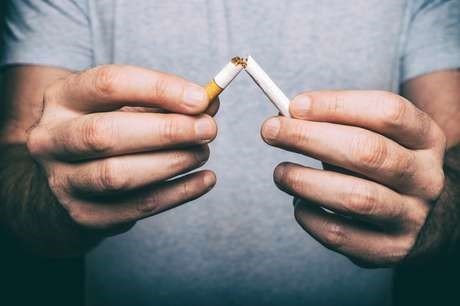
“I’d quit, but I’ll gain 30 pounds.” I’ve heard this from half the smokers I know, and it’s the excuse that keeps the habit alive long after the enjoyment died. Here’s what nobody tells you: the average weight gain after quitting is 5 to 10 pounds, not 30 — and it’s both preventable and temporary compared to what smoking does to you. If you’re figuring out how can I quit smoking without gaining weight, you’re asking exactly the right question at exactly the right time: planning for the weight piece before you quit is what separates the success stories from the relapses.
How Can I Quit Smoking Without Gaining Weight?
First, understand why weight gain happens so you can outsmart it. Nicotine is a stimulant and an appetite suppressant — it revs your metabolism slightly (burning roughly 200 extra calories a day) and dulls hunger. Remove it and three things hit at once: your metabolism dips, your appetite rebounds with interest, and your hands and mouth miss having something to do. Food becomes the substitute, and it works too well.
The strategy is to address all three fronts deliberately:
- Have a hand-to-mouth replacement ready. Sugar-free gum, carrot sticks, sunflower seeds, or even a straw to chew on gives your mouth the occupation it craves without the calories. Keep them everywhere — desk, car, jacket pocket. Boredom snacking is the number-one weight trap after quitting.
- Plan your meals and snacks in advance. Quitting depletes willpower, and depleted willpower plus an empty fridge equals pizza. Stock your kitchen with high-protein, high-fiber foods that actually satisfy: Greek yogurt, nuts (portion them — they’re calorie-dense), fruit, hummus and vegetables.
- Move more, starting day one. Exercise does triple duty here: it burns the calories your faster metabolism used to handle, it blunts cravings (even a 5-minute walk cuts urge intensity), and it manages the mood dips that drive emotional eating. You don’t need a gym — a daily walk is enough to start.
- Drink water constantly. Thirst masquerades as hunger and as cravings. A big glass of water when a craving hits handles all three at once surprisingly often.
The First Two Weeks: Your Battle Plan
Nicotine withdrawal peaks in the first 3 days and fades substantially within 2 weeks — but those 2 weeks are where weight gain gets its foothold. Front-load your defenses. Tell the people around you that you’re quitting so they don’t offer you food as comfort (well-meaning friends are dangerous here). Remove the trigger snacks from your house before quit day, not after. And consider nicotine replacement therapy — patches, gum, or lozenges — which the Smokefree.gov quit guide identifies as doubling your odds of success. NRT eases both cravings and the metabolic shock, giving you one less thing to white-knuckle.
Expect your taste buds to wake up — food genuinely tastes better within days of quitting, which is lovely and also a trap. Savor it, but stay conscious. Eating slowly and without screens helps you notice fullness before you’ve inhaled a second helping. If you’ve been thinking about your eating patterns more broadly, understanding healthy weight loss rates gives you a sane framework for the months after quitting.
Reframe the Trade-Off Honestly
Let’s do the math the fear-mongers skip. Even if you gained the full average of 10 pounds, the health gains of quitting — heart attack risk dropping within a year, lung function improving within months, cancer risk falling steadily — dwarf the impact of 10 pounds. And here’s the kicker: most quitters who gain weight lose it again within a year once the oral-fixation phase passes and routines stabilize. The people who gain large amounts are overwhelmingly the ones who replaced cigarettes with constant snacking and never addressed it. You’re reading this article, so you’re already not going to be one of them.
Long-Term: Build the Smoke-Free Identity
Quitting sticks when “non-smoker” becomes part of how you see yourself, not just something you’re enduring. Exercise accelerates this beautifully — it’s hard to see yourself as a smoker when you’re training for a 5K. Pick a physical goal for the 3-month mark: a hiking trip, a race, a strength milestone. It gives the quit a positive direction instead of making it purely about deprivation. When motivation wobbles, strategies for staying motivated to exercise work just as well for staying smoke-free — the psychology of sticking with hard things is the same.
Watch out for the classic relapse triggers: alcohol (it lowers inhibition and is deeply paired with smoking for many people), stress spikes, and the “just one” lie. Have a plan for each before they happen. Most successful quitters needed several attempts — a slip is data, not failure. The CDC’s how-to-quit resources include free coaching and text programs that meaningfully improve outcomes; use them.
What to Expect: The Quit Timeline
Knowing the timeline makes the whole thing less scary. Within 20 minutes of your last cigarette, heart rate and blood pressure start dropping toward normal. Within 12 hours, carbon monoxide levels in your blood normalize. The 2–3 day mark is peak withdrawal — irritability, cravings, restlessness — and it’s also when your senses of taste and smell begin sharpening. By 2–3 weeks, circulation improves and lung function starts climbing; this is when walking gets noticeably easier. At 1–3 months, circulation keeps improving and that persistent smoker’s cough fades. By one year, your excess risk of heart disease is cut in half.
The weight piece follows its own curve: appetite is highest in the first month, then gradually normalizes as your metabolism and habits stabilize. Most of the average 5–10 pound gain happens in the first three months — which means if you hold the line through month three with the strategies above, you’ve essentially won. After six months smoke-free, many people find their weight drifting back down on its own as the hand-to-mouth snacking habit fades. Mark these milestones somewhere visible; watching your body repair itself in real time is powerful motivation.
The Practical Takeaway
Set your quit date, stock the healthy hand-to-mouth substitutes, line up a daily walk, and consider nicotine replacement to smooth the landing. Expect some appetite increase, plan for it, and don’t panic over a few pounds — they’re temporary, and they’re nothing next to what you’re gaining in health. The weight question isn’t a reason to keep smoking; it’s just a logistics problem. And logistics problems have solutions.






