
How to Treat a Sunburn at Home: Fast Relief That Works
You fell asleep on the beach towel. Or you “just ran errands” for three hours in July without sunscreen. Now your shoulders are the color of a lobster and even your T-shirt feels like sandpaper. If you’re wondering what is the best way to treat a sunburn at home, take a breath — most sunburns are miserable but manageable, and the right home care can cut your recovery time significantly. I’ve had my share of crispy moments (sunscreen reapplication is a discipline, not a suggestion), so here’s everything that actually helps.
What Is the Best Way to Treat a Sunburn at Home?
The moment you notice the burn, get out of the sun — obvious, but people keep “finishing up” outside and making it worse. UV damage continues developing for hours after exposure, so every additional minute counts. Then cool the skin down: a cool (not ice-cold) shower or damp towels for 10–15 minutes. Avoid harsh scrubbing; your skin is injured and needs gentle handling.
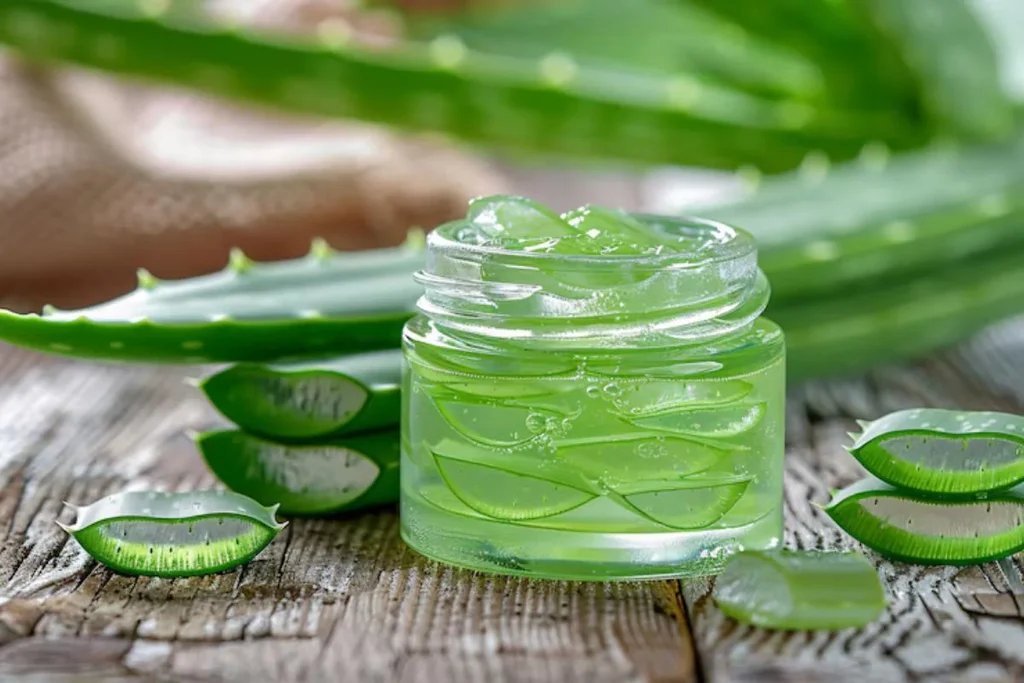
Moisture is your best friend for the next several days. Apply aloe vera gel — the real kind, or straight from the plant if you have one — generously and often. Follow with a fragrance-free moisturizer to seal it in; look for ingredients like ceramides or hyaluronic acid. The American Academy of Dermatology’s sunburn treatment guide specifically recommends moisturizing while skin is still damp and avoiding products with alcohol, which dry out damaged skin further.
Pain Relief and the Peeling Phase
For pain and swelling, over-the-counter ibuprofen or aspirin taken soon after the burn can reduce inflammation — timing matters, so don’t wait until bedtime. Cool compresses on the worst spots bring quick relief. Drink more water than you think you need: sunburn draws fluid to the skin’s surface, quietly dehydrating you from the inside. If you’re not sure where you stand, here’s how to tell if you’re dehydrated — sunburn and dehydration are an ugly combination.
Then comes the peeling, usually 3–7 days in. Let it happen naturally. Picking or peeling the skin early exposes raw tissue underneath and invites infection — plus it can scar. Keep moisturizing through the peel; it won’t stop the shedding but it reduces the itching and tightness dramatically. Loose, soft clothing (cotton, not synthetics) keeps friction off the damaged areas while they heal.
What NOT to Do
The internet is full of sunburn “hacks” that range from useless to harmful. Skip the butter, coconut oil, and egg whites — they trap heat and can breed bacteria on broken skin. Avoid petroleum jelly in the first day or two for the same heat-trapping reason. Don’t pop blisters; they’re sterile bandages your body made for itself. And stay out of further sun until you’re fully healed — re-burning damaged skin compounds the injury fast. If blisters cover a large area, leave them intact, keep them clean and covered, and watch for signs of infection.
When a Sunburn Needs a Doctor
Most sunburns heal at home, but get medical care if you develop a fever over 101°F, chills, severe blistering over a large area, extreme pain, dizziness or confusion, signs of infection (increasing redness, swelling, pus), or symptoms of heatstroke. Infants with any sunburn should see a pediatrician — baby skin burns faster and deeper. The Mayo Clinic’s sunburn treatment page has a clear rundown of these warning signs.
Healing From the Inside Too
Your skin repairs itself with nutrients, so feed the process. Antioxidant-rich foods — berries, leafy greens, tomatoes — support skin recovery, and adequate protein provides the building blocks for new tissue. These foods for healthy skin double as recovery fuel after a burn. Omega-3s from fish or flaxseed may help calm the inflammatory response. And once you’re healed, make this the burn that changes your habits: broad-spectrum SPF 30+, reapplied every two hours outdoors, plus a hat. The best sunburn treatment is the one you never need.
Preventing the Next Burn
Let’s make this the last sunburn article you ever need. The mistakes that cause most burns are depressingly consistent: applying sunscreen once in the morning and considering the job done, missing spots (ears, back of the neck, tops of feet, and the part in your hair are the classic forgotten zones), and trusting “waterproof” labels — no sunscreen is truly waterproof, only water-resistant for 40 or 80 minutes. Use broad-spectrum SPF 30 or higher, apply a full shot-glass amount for your body, and reapply every two hours outdoors or after swimming and heavy sweating.
But sunscreen is only one layer. The most reliable sun protection is behavioral: seek shade between 10 a.m. and 4 p.m. when UV peaks, wear a wide-brimmed hat and UV-blocking sunglasses, and consider UPF clothing for long outdoor days — a UPF 50 shirt protects more reliably than any lotion ever will. Check the UV index on your weather app like you’d check the temperature; on index-8+ days, plan accordingly. And remember that clouds block only about 20% of UV, water and sand reflect it back at you, and you can absolutely burn on an overcast day. I learned that last one the expensive way in San Diego.
The Week After: Supporting Full Recovery
Once the acute pain fades, your skin is still vulnerable for a week or more. Keep moisturizing daily — the skin barrier is compromised and needs support rebuilding. Be extra diligent with sun protection on the healed area; fresh post-burn skin burns faster and hyperpigmentation (dark spots) is common if you re-expose too soon. If peeling left uneven texture, resist aggressive exfoliation — gentle is the rule until the skin feels completely normal. Most people are fully back to baseline in 1–2 weeks for mild burns; deeper burns can take longer and may leave temporary discoloration that fades over months. Patience is part of the treatment.
The Practical Takeaway
Cool it, moisturize it, hydrate yourself, manage the pain early, and leave the peeling alone. Most sunburns resolve in 3–7 days with this routine. Watch for the red flags that need a doctor, and let this be the last time — future-you, with un-leathery skin and a lower skin cancer risk, will be grateful. Sunscreen is cheaper than regret.






